image description
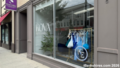
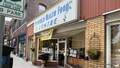
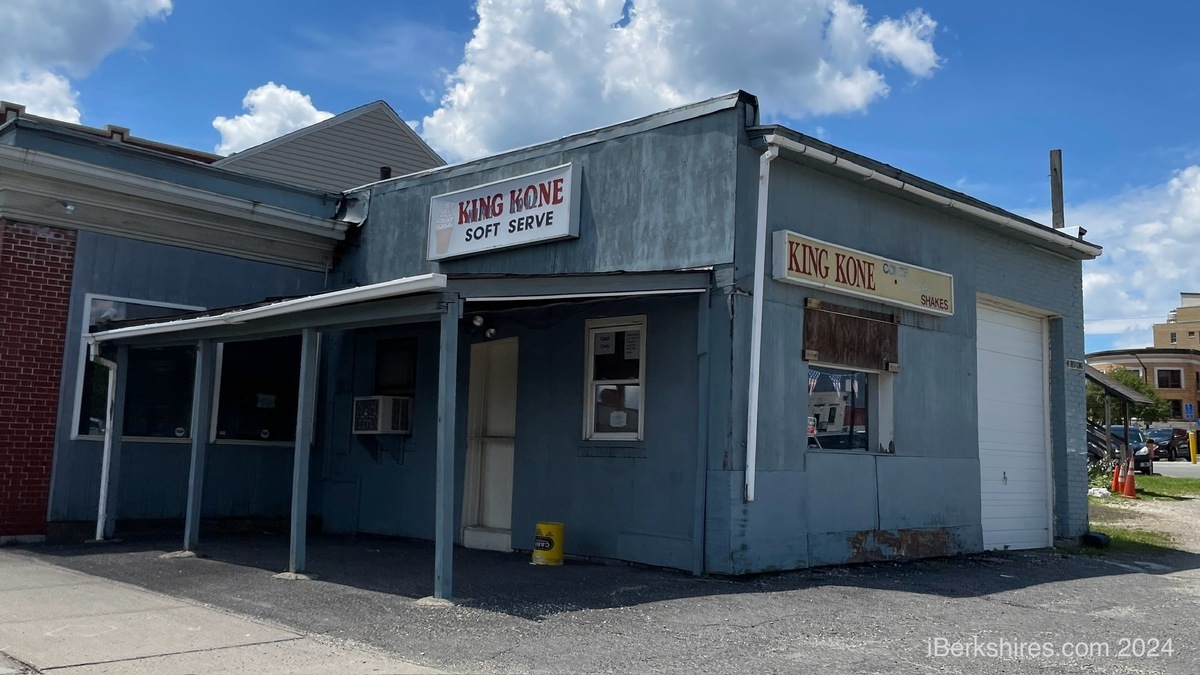
The nonprofit that purchased the King Kone building on Fenn Street is seeking to reopen it as a worker cooperative.

Pittsfield Nonprofit Aims to Reopen King Kone

By Brittany PolitoiBerkshires Staff
Print Story | Email Story

PITTSFIELD, Mass. — A nonprofit is trying to reopen King Kone as a workers' cooperative.

Roots & Dreams and Mustard Seeds of Pittsfield is leading the effort after receiving a grant to acquire the beloved business that closed shop last year. A fundraiser with merchandise has been launched to support costs associated with the reopening.

There are already a handful of employees on board.

"Six wonderful local Pittsfield residents committed to this project, joined the co-op business program, to work towards this goal. Our not-for-profit currently works with groups in seven different sectors of co-op businesses — catering, child care, construction, cleaning, artisans, farming, and restaurant (King Kone,)" the fundraiser reads.

"Members of these co-ops are a part of marginalized communities and struggle with all the issues that accompany poverty. In almost all cases they do not even have the upfront money for the co-op buy-in, and must utilize a percentage of their weekly checks for that, as it's an important part of creating their capital funds."

In 2023, the nonprofit was allocated $179,000 to purchase the soft-serve ice cream shop at 133 Fenn St. and convert it into a worker cooperative. It owns a series of storefronts ranging from 117 to 129 Fenn St.

Roots & Dreams and Mustard Seeds will also expand its current arts programming through the creation of a community art gallery and exhibition space in the adjacent retail space in the same building.


The Barbarotta family closed the shop's order and pickup windows for the last time at the end of the 2023 season as they prepared to sell.  

"We applied during the winter months for a grant that would cover that initial $6,000 for King Kone's industrial cleaning and supplier costs to re-open, as the former owner let us know she would use past year profits to pay that, and our group was starting off without any funds and did not have access to buy-in amounts," the group reported.

To fill a funding gap, they are selling T-shirts and sweat shirts with a gorilla holding an ice cream cone with "King Cone" in blue letters designed by an artist co-op member, ranging from $25 to $38.  Gift cards are also available.

"Last month we heard back that the funder has some unexpected changes since our winter conversation, and could only designate a very small amount towards our need," the nonprofit wrote.

"We are reaching out to our community in hopes that you might be moved to proudly wear this awesome T-shirt designed by one of our artist co-op members, pre-purchase a King Kone ice-cream membership, or donate directly."

The workers and hopeful worker-owners are ready to jump in and serve the community, the nonprofit reported.


Tags: ice cream,   
If you would like to contribute information on this article, contact us at info@iberkshires.com.

Berkshire Towns Can Tap State Seasonal Communities Resources

BOSTON — Governor Maura Healey announced that 18 additional municipalities across Massachusetts have been designated as Seasonal Communities, opening up new tools, support and grant funding to help them manage seasonal housing pressures. 
 
Created as part of the historic Affordable Homes Act signed into law by Governor Healey in 2024, the Seasonal Communities designation was designed to recognize Massachusetts communities that experience substantial variation in seasonal employment and to create distinctive tools to address their unique housing needs. The law also established the Seasonal Communities Advisory Council (SCAC).  
 
The Affordable Homes Act identified several communities to automatically receive the designation, including:   
  • All municipalities in the counties of Dukes and Nantucket;   
  • All municipalities with over 35 percent seasonal housing units in Barnstable County; and   
  • All municipalities with more than 40 percent seasonal housing units in Berkshire County. 
  •  
To identify additional communities, the Executive Office of Housing and Livable Communities (HLC) reviewed available data, specifically focusing on cities and towns with high levels of short-term rentals and a high share of second- or vacation homes.
 
In Berkshire County, Egremont, Great Barrington, Lee, Lenox, New Marlborough, Richmond, Sandisfield, Sheffield, West Stockbridge and Williamstown have been designated. 
 
"Our seasonal communities are a vital part of Massachusetts' cultural and economic fabric, but they're also home to essential workers, families, seniors, and longtime residents who deserve a place to live year-round," said Governor Healey. "That's why we're committed to supporting these communities with innovative solutions like the Seasonal Communities designation to meet their unique needs, and I'm thrilled that we're offering this opportunity to 18 additional communities across the state. Everyone who calls these places home should be able to live, work and grow here, no matter the season." 
 
As with the statutorily identified communities, acceptance of the designation for municipalities is voluntary and requires a local legislative vote. HLC will open an application for newly eligible communities that haven't accepted the Seasonal Communities designation to request consideration. 
 
The Affordable Homes Act created several new tools for communities who accept the Seasonal Communities designation to be able to:  
  • Acquire deed restrictions to create or preserve year-round housing 
  • Develop housing with a preference for municipal workers, so that our public safety personnel, teachers, public works and town hall workers have a place to live 
  • Establish a Year-Round Housing Trust Fund to create and preserve affordable and attainable housing for year-round residents 
  • Create year-round housing for artists 
  • Allow seasonal communities to develop a comprehensive housing needs assessment 
  • Permit tiny homes to be built and used as year-round housing 
  • Permit year-round, attainable residential development on undersized lots 
  • Increase the property tax exemption for homes that are the owners' primary residence 
 
View Full Story

More Pittsfield Stories