
Williamstown Select Board Pushes for Better Communication About Emergencies
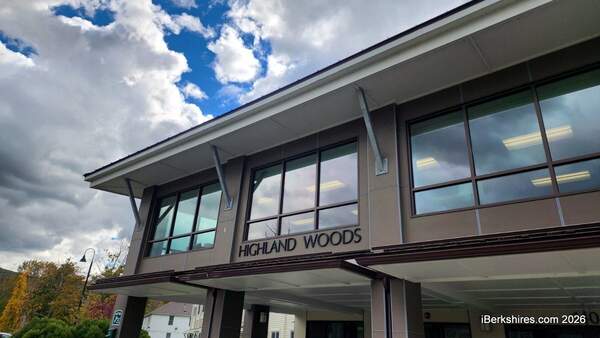
WILLIAMSTOWN, Mass. — The Select Board on Monday discussed how the town communicates to residents during an emergency and whether residents unaffiliated with Williams College should have access to the same information as college students and staff about incidents on campus.
The topic came up in response to a couple of recent events: the July 16 power outage that left most of the town in the dark for hours, and two incidents that led to evacuations on the Williams campus on May 23 and July 11.
During both campus events — which turned out to be false alarms — the college notified its students and staff through email, voicemail and text message and gave regular updates until the incidents were resolved.
The college also posted about the incidents in real time on social media, specifically on the platform formerly known as Twitter.
The Williamstown Police Department, on its Facebook page, posted on July 11 that it was, "assisting Williams College with a threat to campus. The Williams campus will be closed at noon, but no credible threat or device has been located at this point."
But Select Board members wondered on Monday whether it would make sense for the town to take similar actions in the event of threats on a campus that is so interwoven into the community. They also asked if residents could enroll for notifications on the college's system.
Randal Fippinger noted that it was an equity issue to have some people in town aware of potentially life-threatening situations but not others.
"I agree that we need to trust the professionals [to assess threats], but if the college is sending out texts, emails, phone calls every half hour during a particular emergency, that's horses out of the barn," Fippinger said.
"But to tell a significant part of the community and not tell the whole community is, I think, not supportive of the community."
Fippinger cited, as one example, the non-profit community pantry Remedy Hall, which operates in space at First Congregational Church in the middle of Williams' campus and continued to operate throughout the July 11 incident, when the college ordered the evacuation of all of its buildings.
Jeffrey Johnson agreed, saying the first indication he had of the "suspicious package" incident on May 23 was when he attempted to drive up a road that was closed to traffic near the college's science center.
"As a parent who has a child who works down on Spring Street, I want to know," Johnson said. "I'm not sure, based on these two incidents, especially if it gets to the level where the State Police is involved, what the rationale is for not notifying people through Code Reds."
A State Police bomb squad unit did respond to the May incident and determined that the suspicious package was not a threat.
Town Manager Robert Menicocci said the Police Department has a protocol for when the town implements the rarely used Code Red service. He also indicated that the town could add a reverse 911 system if it felt it warranted the cost.
A 2002 report from Branson, Mo., said a reverse-911 system at that time cost about $57,000 to bring online plus an annual maintenance fee of 15 percent of the purchase price (about $8,600). At the time, Branson had a population of about 7,000 people, roughly the same as Williamstown.
Menicocci said the town's revamped website could include automated notifications of incidents to residents who sign up.
"All that will do is take our existing communications we do through the town or public safety's Facebook site, take that relatively low level of communication and push that through more channels," Menicocci said. "If we want to do more and we're going to have hourly communication during an incident, that takes a resource in order to be able to do that."
As for college campus-specific events, Menicocci said Williams, like any private entity, takes the lead on how it wants to disseminate information.
"The college will have their way of handling things, which we would not step on unless there's going to be something that would spill over into the community," he said. "What it really comes down to, largely, is the threat assessment and whether that is rising to the level where the public should be informed to stay away.
"We rely on our public safety folks to make that assessment. If something rises to that level, they will absolutely communicate that. Our main way of doing that is the CodeRed piece at this time."
Residents can sign up for the CodeRed service through a link on the main page of the town's website.
Menicocci indicated that the communication between the college and the town about incidents is a topic he could bring up in an upcoming meeting with the new head of the college's Campus Safety and Security department.
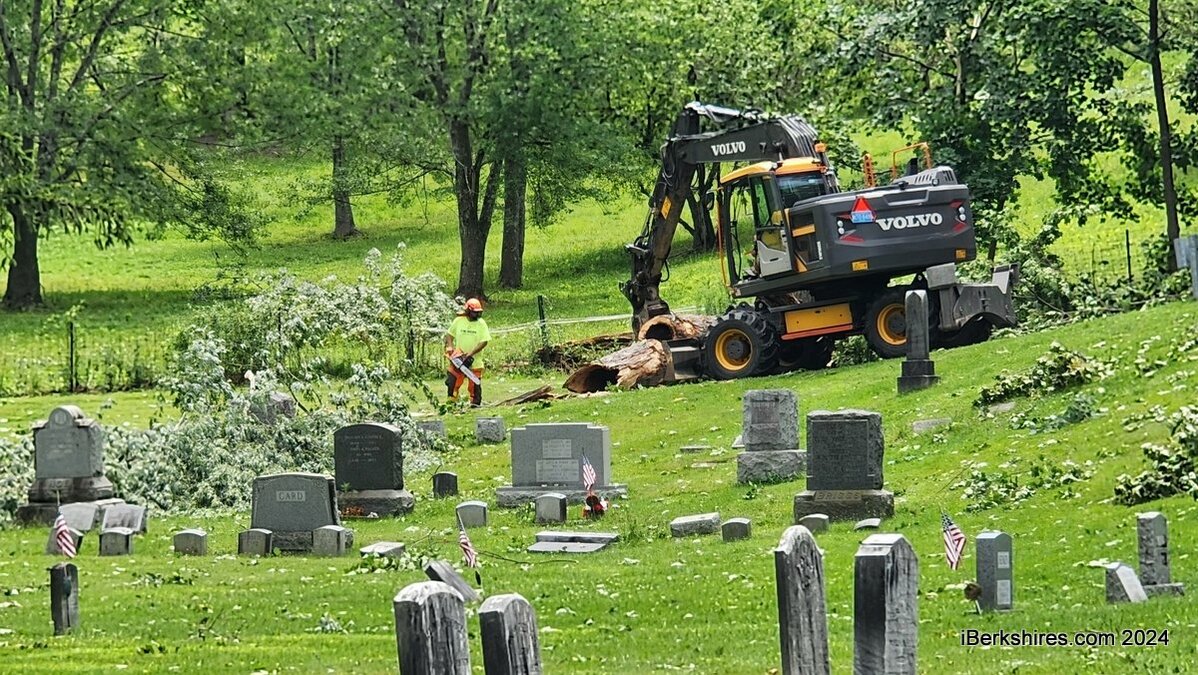
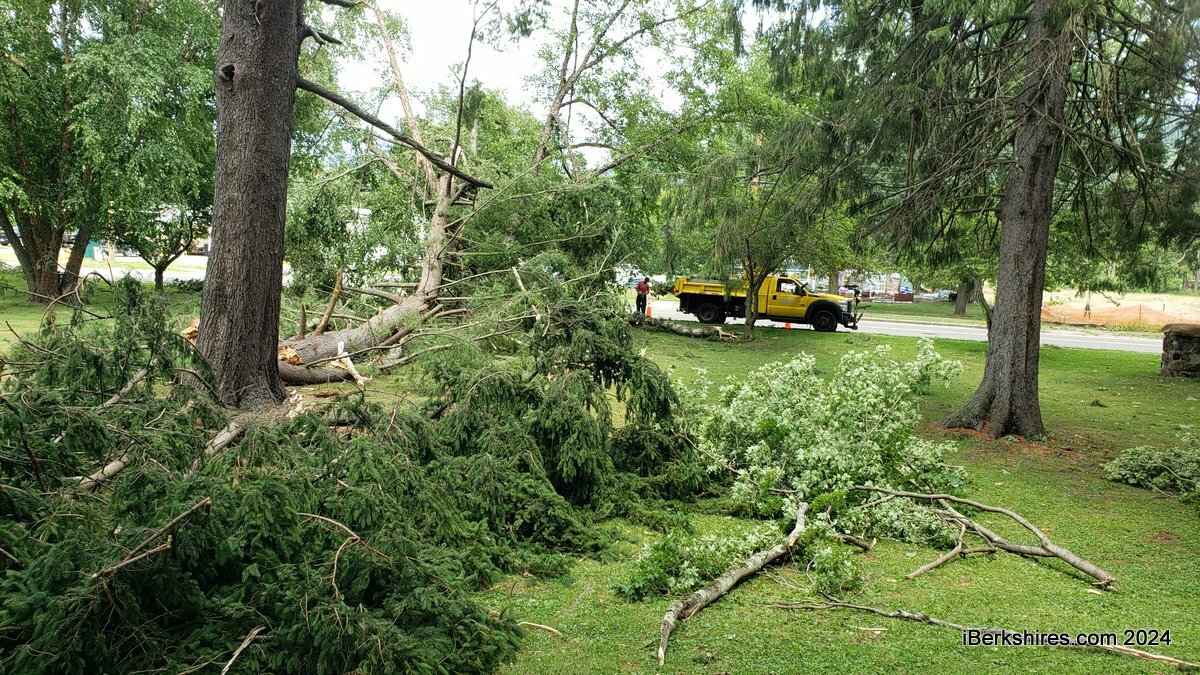
In other news related to recent emergency situations, Menicocci reported that it will cost about $50,000 to hire a tree service to deal with downed trees at Eastlawn Cemetery.
"It's not something our folks can handle," he said. "We don't have the equipment — the booms and the lifts — to get big trees out of the way."
The mid-July storm and associated power outage pointed to a continued need to address emergency preparedness in town, Menicocci said. The town's regular cooling center, the Milne Library, was in the dark itself during the outage. Menicocci said the town needs to decide whether it should acquire more backup generators in the future; during July's outage, the police station on Simonds Road, which is served by a backup generator, was available for residents who needed to cool off.
In other business on Monday, the Select Board:
• Reached a consensus on details of a new town policy on memorial donations. Hogeland said he would take the changes decided on Monday back to the Conservation Commission to consider before the policy is enacted. The Con Comm has custody and control of several public parcels, including Margaret Lindley Park, that could potentially receive the kind of memorial benches and plaques addressed in the policy.
• Reviewed the public letter that was produced from the annual performance review of the town manager. "Over the past year, Mr. Menicocci has demonstrated knowledge and expertise in his approach to financial management and budgeting while also keeping an eye on future long term capital planning needs," the letter reads in part.
• Unanimously approved the renewal of an intermunicipal agreement with the town of Lanesborough, which shares the services of the town planner.
• And discussed with the chair of the Diversity, Equity, Inclusion and Racial Equity Committee's desire for a policy to address attendance on town boards and committees. The Select Board members were sympathetic to Shana Dixon's concern that DIRE has had to cancel recent meetings due to a lack of a quorum and said the town needs a bylaw to address attendance for all committee members.
Tags: communications, severe weather, storm damage,