School Officials Looking to Tame Wahconah High 'Jungle'
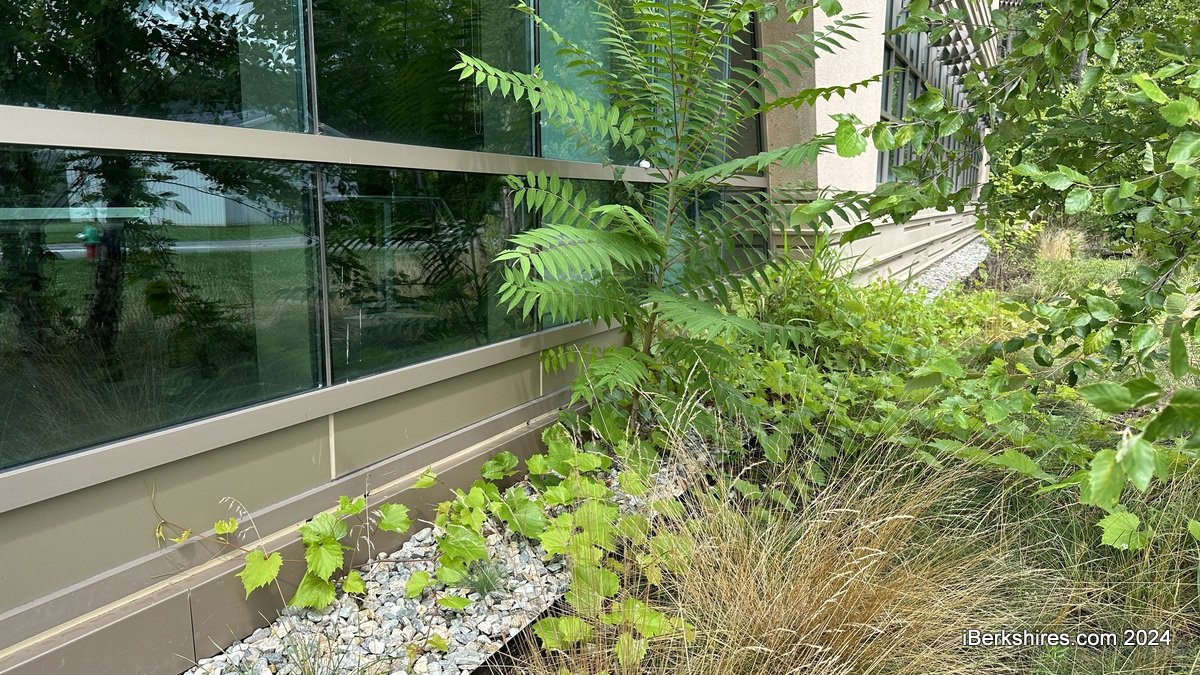
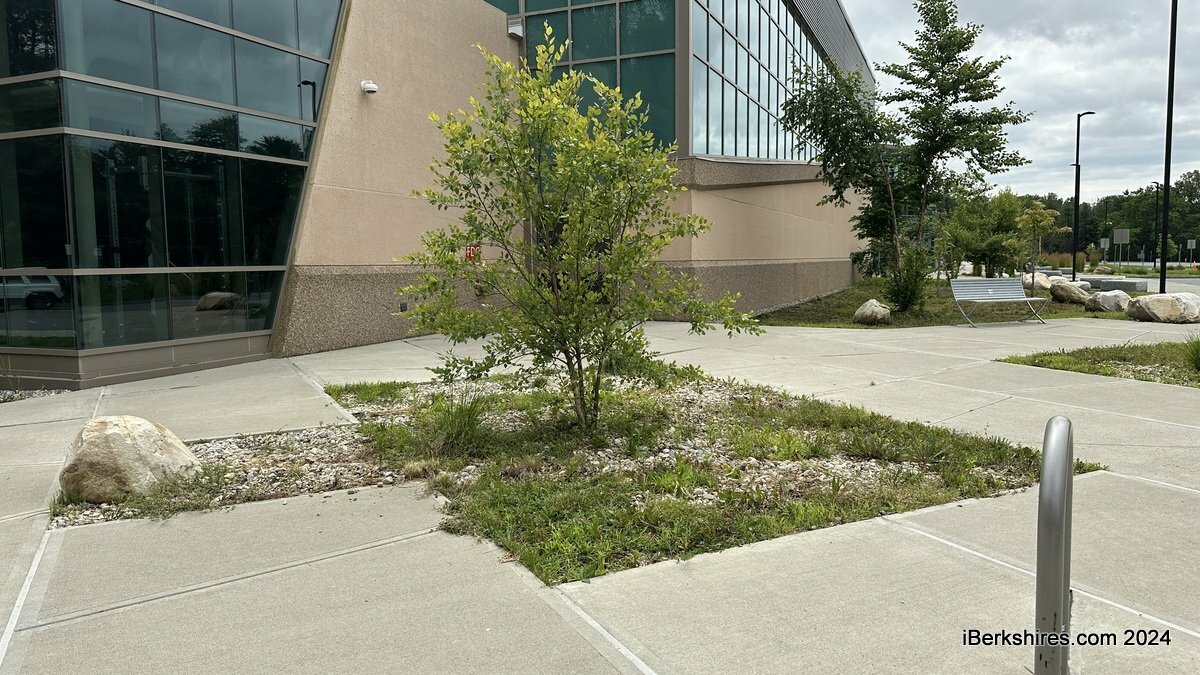
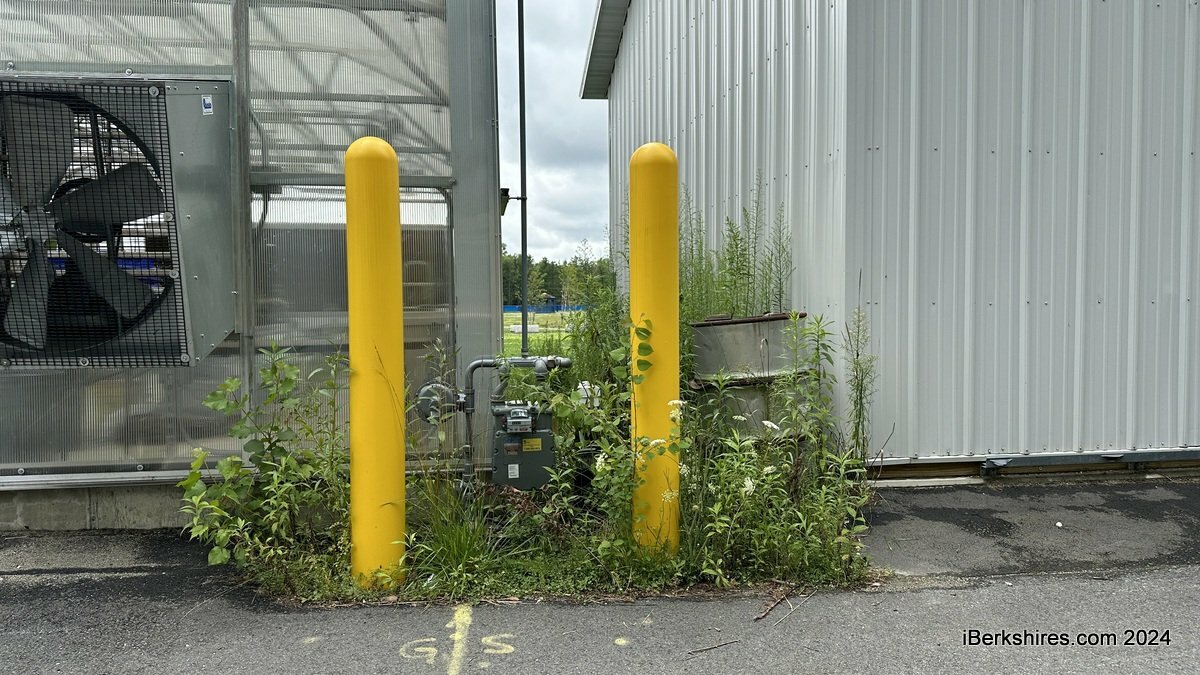
Weeds are beginning to invade the space along the foundation of the $72 million school.
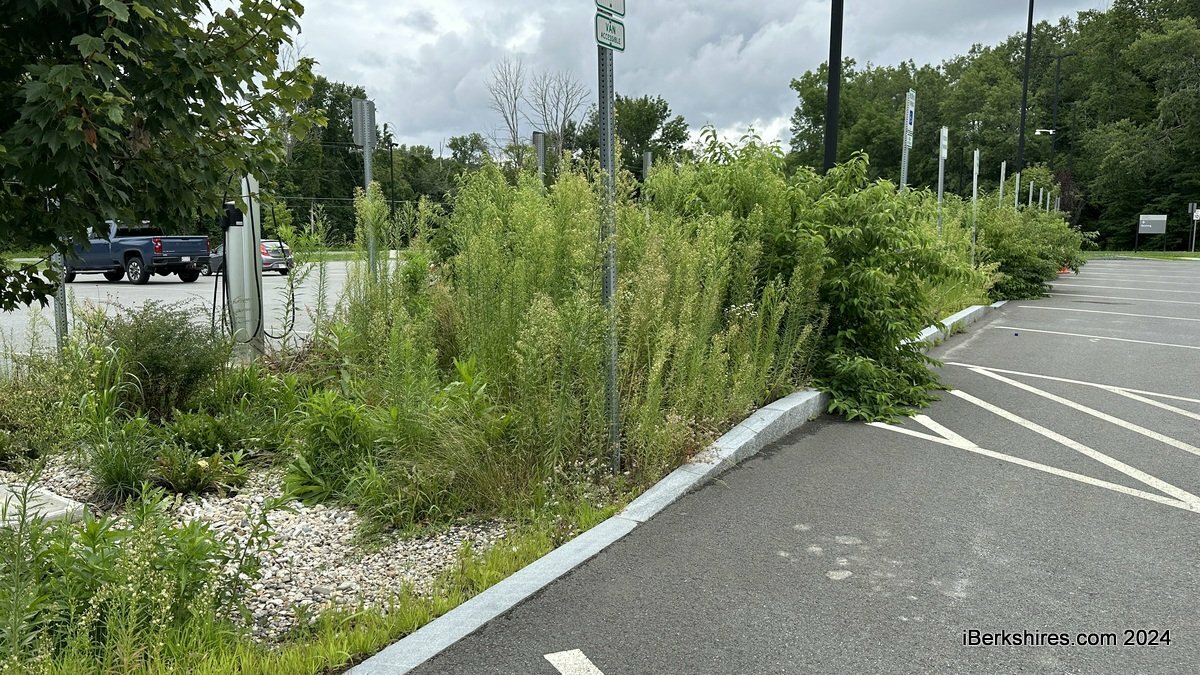
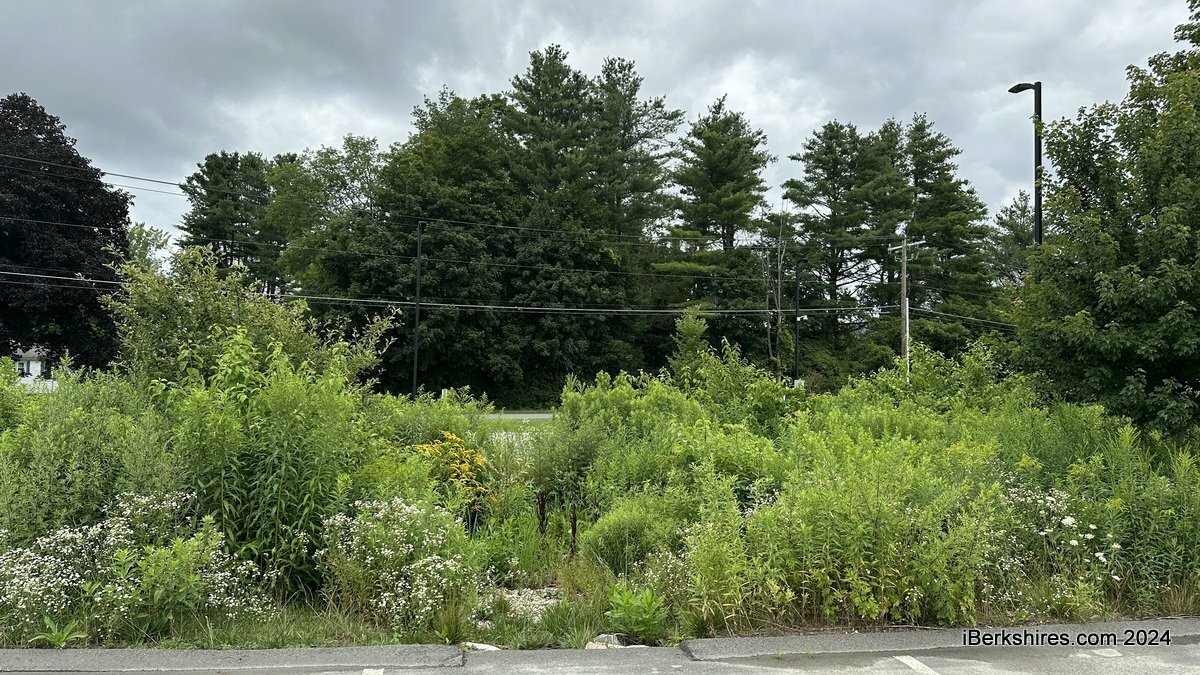
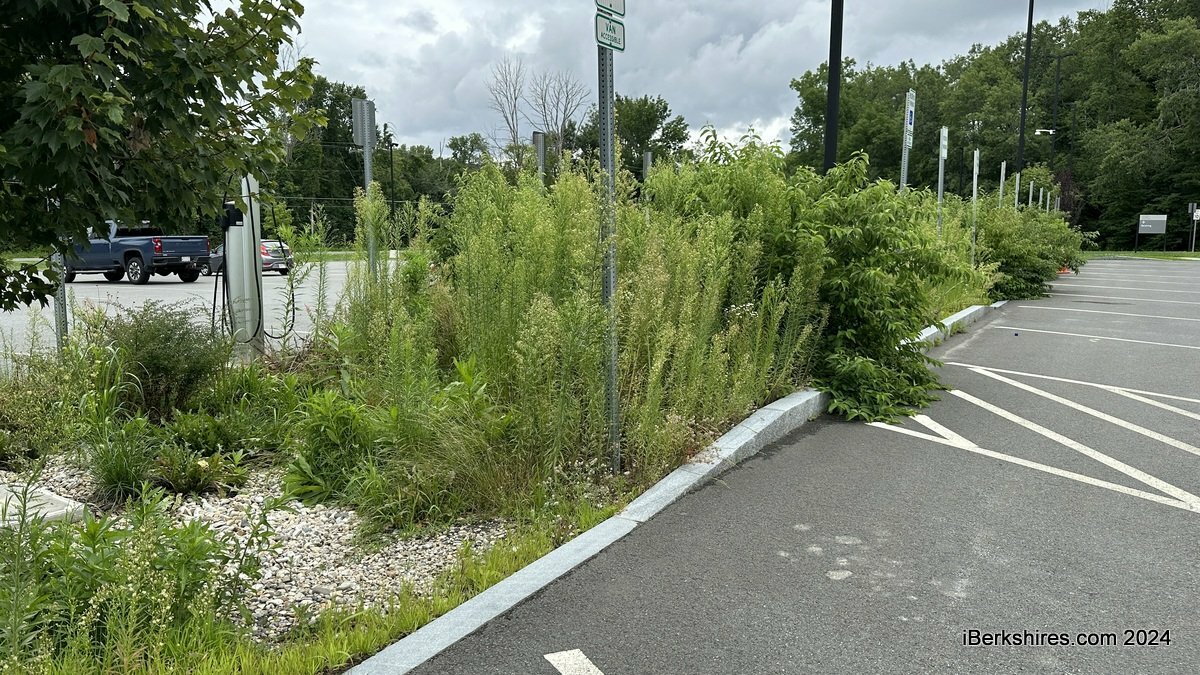
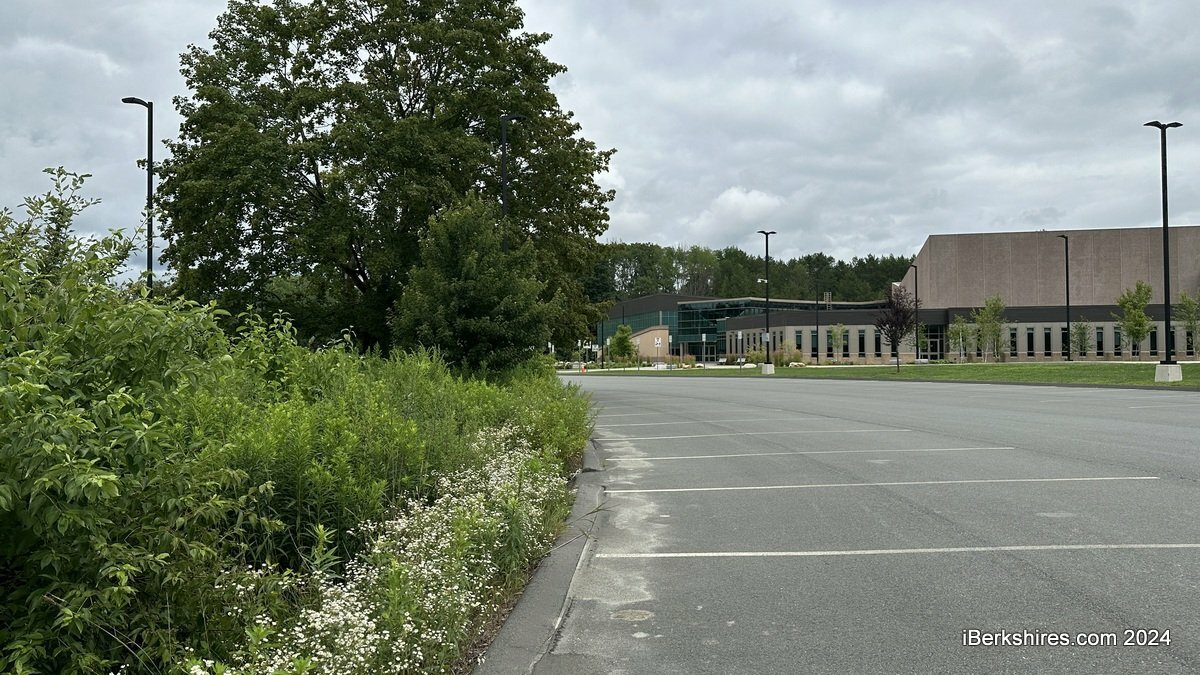
The parking medians are overgrown with weeds, the rain gardens look like jungles and greenery is invading the spaces around the building's exterior.
The state of the school's landscape does not reflect a $72 million school, and residents are concerned, said Dalton resident and Planning Board member Robert Collins said.
"They're worried that what they're seeing on the outside is possibly, maybe, happening on the inside, and [if you] get the outside changed, I think that negativity goes away," he said.
The district is aware of the issues and has been working to find "efficient, strategic, and sustainable" ways to address the overgrown condition of some of the school's grounds, said Superintendent Leslie Blake-Davis said.
Prior to last week's School Committee meeting, district staff walked around the school grounds to better understand what its conditions are and the complexities around the current layout, she said.
They decided to break the grounds up into four areas: the gymnasium, the loading area, the seven rock garden areas in the front and back of the school, and the raised beds in the courtyard, the superintendent told the School Committee on Thursday.
The district will be coming up with a five-year plan to get the grounds to the point where it is maintainable.
"Obviously, that drainage area needs some work, and we need some guidance around how to maintain it in a way that's fiscally responsible because we do want to be fiscally responsible in whatever we come up with," Blake-Davis said.
"We're going to have to do some investing, but whatever investing we do, we want to make sure that the initial plan is maintainable."
Blake-Davis mentioned that during their discussion about finding solutions, they considered re-mulching the front entranceway and other areas, replacing the grass in front of the gym, replanting some of the trees near the intersection, reinforcing unstable trees, seeding grass around the gymnasium, driveway, and rear intersection, as well as replacing the mulch in the raised beds.
"Those are just some of the things that were discussed. Those are some of the things that we have on our to-do list around this work," she said.
This process is a mix of learning what upkeep looks like for the grounds' features, having a multi-year plan to maintain it, and adding in, maybe, "a small budget for the mulch, which was another thing that was overlooked," Michael Henault, assistant superintendent, said.
"The rock gardens, for instance, they're built to drain and grow, and the way that those were presented was that they didn't need to be maintained, that they just continued to grow, suck water, and that was the maintenance," he said.
"That they were built to absorb water and grow, when, in reality, we do now have to cut back and trim probably multiple times a year, weed out the rock garden, and just not let it run rampant. So, that was actually purposeful, but it was misunderstanding."
The district is obtaining multiple quotes from landscaping companies to develop a plan for maintaining the grounds in a more sustainable and manageable way, Blake-Davis said.
"The other item we talked about is potentially having an ongoing contract with someone so that we're actually making sure that we're doing this in a way, that we're giving our custodial crew some relief. Because, as you heard, they do maintain our athletic fields beautifully, but it's a lot," Blake Davis said.
"Part of having a multi-year plan, we would have to rely somewhat on a local landscaper to purchase and do the re-mulching, but our grounds crew was confident that outside of the athletic season, if we pace things correctly over a two-year period, we'd be able to maintain pretty well in-house," Henault said.
Collins also pointed out that there is still sand from the winter on the parking lots.
"I don't know what the town separation is, but maybe when the town has the streets swept in the town, maybe the school jumps on board [and have] the same company … come into your parking lots and sweep all the parking lots so that's upkept, and all that sand doesn't end up in all your catch basins and backing up some of your stormwater management," he said.
"[Issues are not going to happen] overnight, but in time, eventually, all that sand getting into your drainage, which all those water features are put out there to catch, you're going to end up plugging those water features, and then they don't drain properly, and you're going to be throwing a lot of money at some of these features just to fix them."
A few days before the School Committee meeting, Collins walked through the school's grounds with iBerkshires. He pointed to the weeds growing against the schools, such as a riverbank grapevine and an Ailanthus altissima, also known as the tree of heaven. He said both of these should not be up against the foundation.
If issues like this go unnoticed, it could cause greater issues in the future, he said.
Collins, a local landscaper and licensed forester, said the landscape design set the district up to fail as it is not fiscally manageable.
One area of concern is the parking lot's water drainage features, which he described as a jungle.
The wetland plants that grow rapidly but are not being trimmed and "fitted" to look nice and are getting lost in all the weeds, such as goldenrod, mugwort, wild carrot, silky dogwood, and horseweed.
"If the buildings and maintenance grounds can't keep up with it, then you need to change what you have in order for them to be able to maintain it more easily or financially feasibly," Collins said during the School Committee meeting.
"I think this is a process that one, the school's new and I think, to [Collins's] point, maybe that wasn't the right vegetation put down for our area, I don't know, but we need to have a process that maintains it and keeps it going," School Committee Chair Richard Peters said.
"And hopefully, the new buildings and grounds person has the capability to create that process to maintain them properly."
Tags: landscaping, Wahconah,