Zebra Mussels Detected in Pittsfield's Onota Lake
PITTSFIELD, Mass. — The city thought it was in the clear for zebra mussels — until last week.
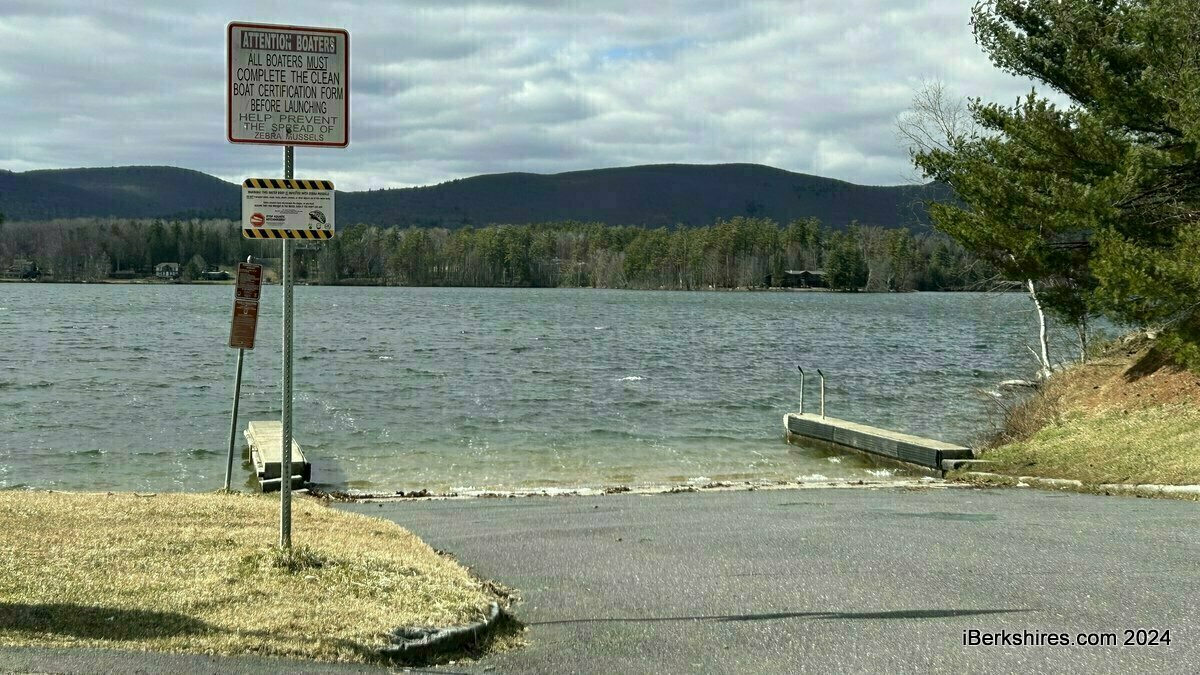
The public is asked to be vigilant about washing recreation equipment that has come in contact with Onota Lake.
The city announced on Friday that the invasive species had been observed at the lake by the state Department of Conservation and Recreation.
"This discovery was made as part of regular monitoring of the lake for these types of invasive species," wrote Catherine VanBramer, director of administrative services.
"This detection only impacts boating operations at the lake and has no impact to other recreational uses of the lake."
For the best interest of the lake and surrounding waterbodies, the public is asked to inspect boats, trailers, and other recreational equipment that have been in contact with the water, decontaminate all parts of boats and other equipment that was in the water, and not allow the wash water to flow into another waterbody or storm sewer.
This comes only a couple of months after it was determined that there are no zebra mussels in Onota Lake after a positive detection of DNA last fall. In June, Park, Open Space, and Natural Resource Program Manager James McGrath attributed the September detection to the shell of a dead zebra mussel that likely came through on a boat.
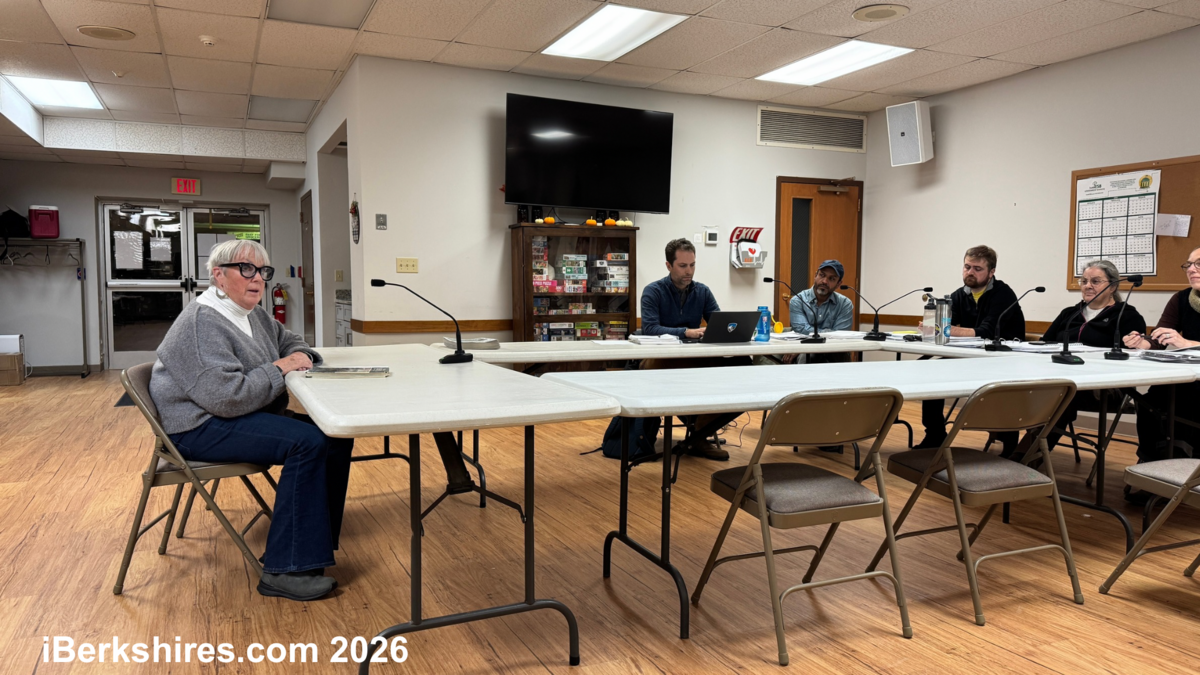
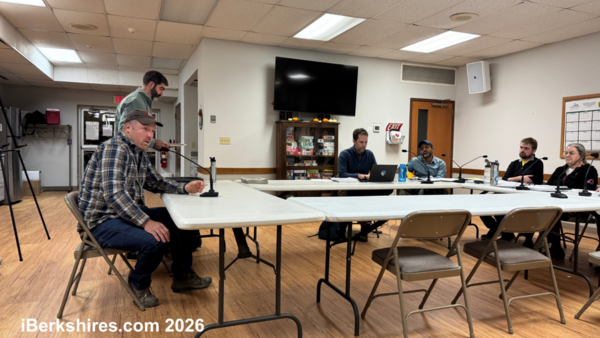
"What we think has happened is there was probably a boat that was launched at the boat ramp last summer, it probably had a dead zebra mussel shell on it, stuck to it, and when it launched right off the boat ramp that shell sort of fell off the boat and was sort of among the rocks off of the boat ramp," he explained to the Parks Commission during this time.
"We think that is what happened because we had divers that we hired on multiple occasions to look for adult zebra muscles just to see if we were missing anything so we had divers do massive sweeps of the lake at great expense. We never found any. The last series of dives that we did just maybe a month ago, we found the shell. It was actually two shells. They were very, very, very tiny. We think what happened was those shells near the boat ramp were shedding DNA as they were decomposing."
In April, the Conservation Commission approved a notice of intent application for the use of EarthTec QZ within a specified treatment area of the lake if the spaces are confirmed.
Zebra mussel mitigation efforts began in 2009 when the invasive species was found in Laurel Lake in Lee. From then to last fall, the city was in prevention of invasion mode, and after the detection, it was in rapid response mode with the intent of eradicating any pioneer infestation.
"In 2009, zebra mussels were detected in Laurel Lake and its outflow in the Housatonic River in Lee/Lenox," VanBramer reported.
"Since that time, the city of Pittsfield has actively worked with DCR to proactively monitor and bring awareness to proper boating care to help prevent the spread of zebra mussels from one waterbody to another."
The focus is on water near the boat ramp but it is understood that other parts of the lake could need treatment and the city would return to the commission for additional permitting if necessary.
Boaters are being asked to:
- Inspect boats, trailers, and other recreational equipment that have been in contact with water.
- Decontaminate all parts of boats, paddles, and other equipment that have been in contact with water. Do not allow wash water to flow in any water body or storm sewer.
- Look for best practices for boat decontamination procedures on the city's website.
With help from the state and the Lake Onota Preservation Association, there has been regular sampling to confirm the existence or nonexistence of the invasive species to determine the path forward. The city has previously vowed to proceed with a heightened awareness and look to bring a boat wash project to fruition.
Last year, a $75,000 design for the boat wash was granted Community Preservation Act funding.
Tags: onota, zebra mussels,