New Bear Population Estimate Based on 2023 Data
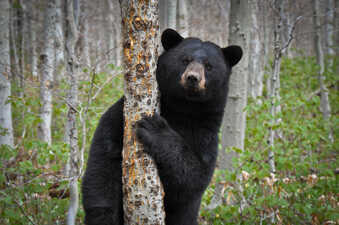 |
MONTPELIER, Vt. — Vermont's black bear population is estimated at roughly 6,300 to 7,600 based on 2023 data, the most recent available, according to the Vermont Fish and Wildlife Department.
"The 2023 population estimate is a little lower than in 2022, which was a five-year high for Vermont's bears," said wildlife biologist Jaclyn Comeau, who leads the Black Bear Project at the Vermont Fish and Wildlife Department.
There are many factors that influence a bear population. These include habitat quality, year to year changes in the availability of wild foods, the balance of female to male bears as well as the proportions of different aged bears in that population, the number bears harvested by hunters each year, and the number of bears killed from non-hunting causes each year.
"A healthy bear population like Vermont's has a natural cycle of peaks and dips that plays out over years," said Comeau. "It is important to look at an individual year's population estimate in context to larger trends over time."
After a consistent overall increase from the 1970s through the 1990s, Vermont's bear population has been relatively stable through the 2000s, with periods of shorter-term growth and decline. Over the past five years the population has averaged an eight percent increase. Time will tell whether this increase is part of a shorter-term population cycle of peaks and dips or a longer-term change.
Today, Vermont's healthy bear population is the result of a decades-long research and conservation effort that includes land protection, regulated hunting and significant public education on preventing conflicts with bears. As recently as the early 1970s Vermont's bears were found only in mountainous areas and the Northeast Kingdom, and likely numbered between 1,500 and 3,500. Today they are found in every Vermont town except communities on the Lake Champlain Islands.
"Vermont's black bears are a conservation success story, but our work isn't done. If you live in Vermont, you live in bear country and you are responsible for preventing conflicts with bears," said Comeau. "More than anything else, that means keeping human food like garbage and birdfeeders out of bears' reach."
Tags: bears,