2nd Street Second Chances Debuts Revamped Space
PITTSFIELD, Mass.— Second Street Second Chances has expanded its program space to meet the demand for post-incarceration services.
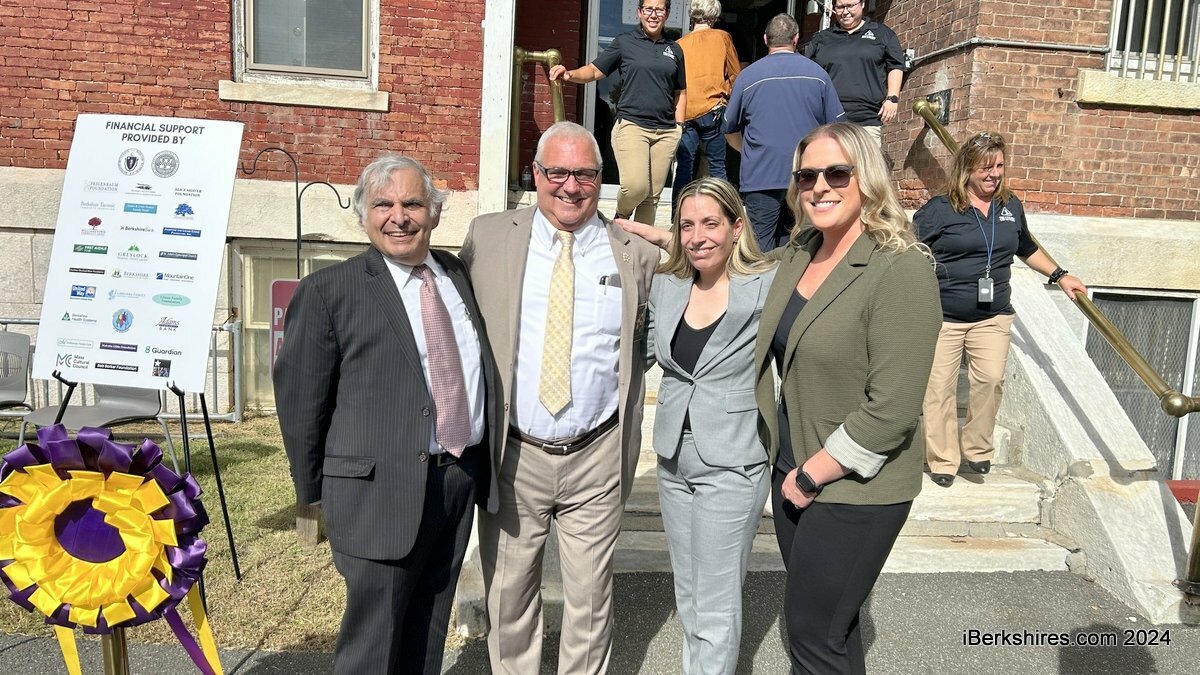
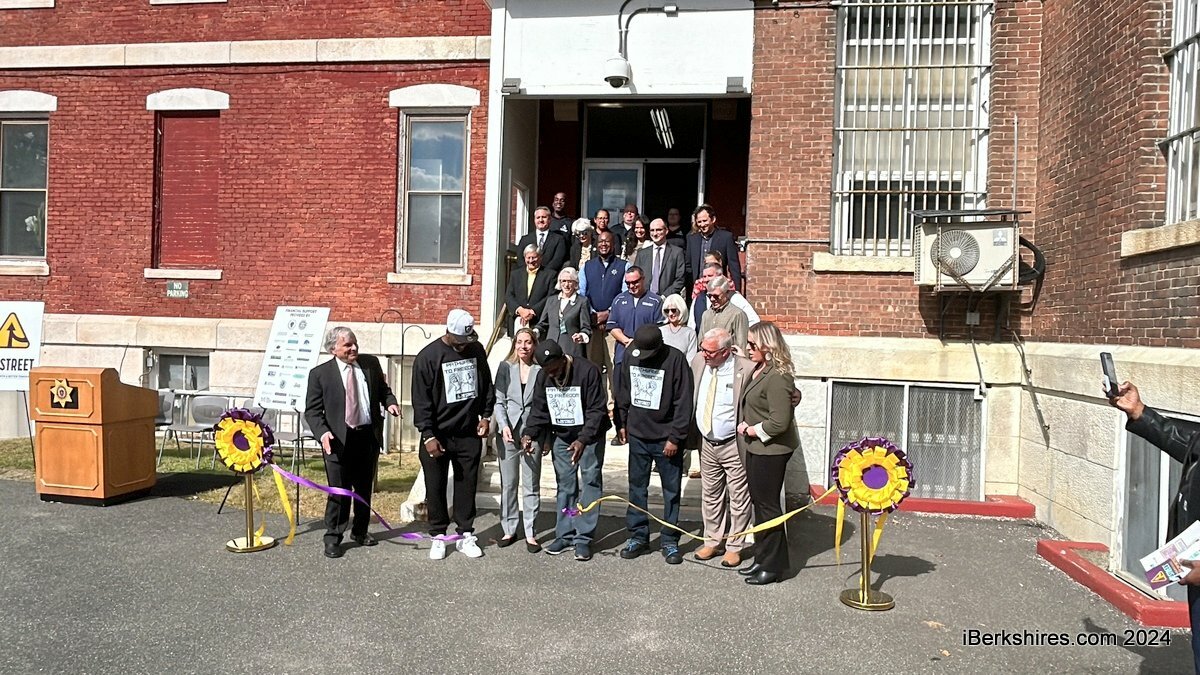
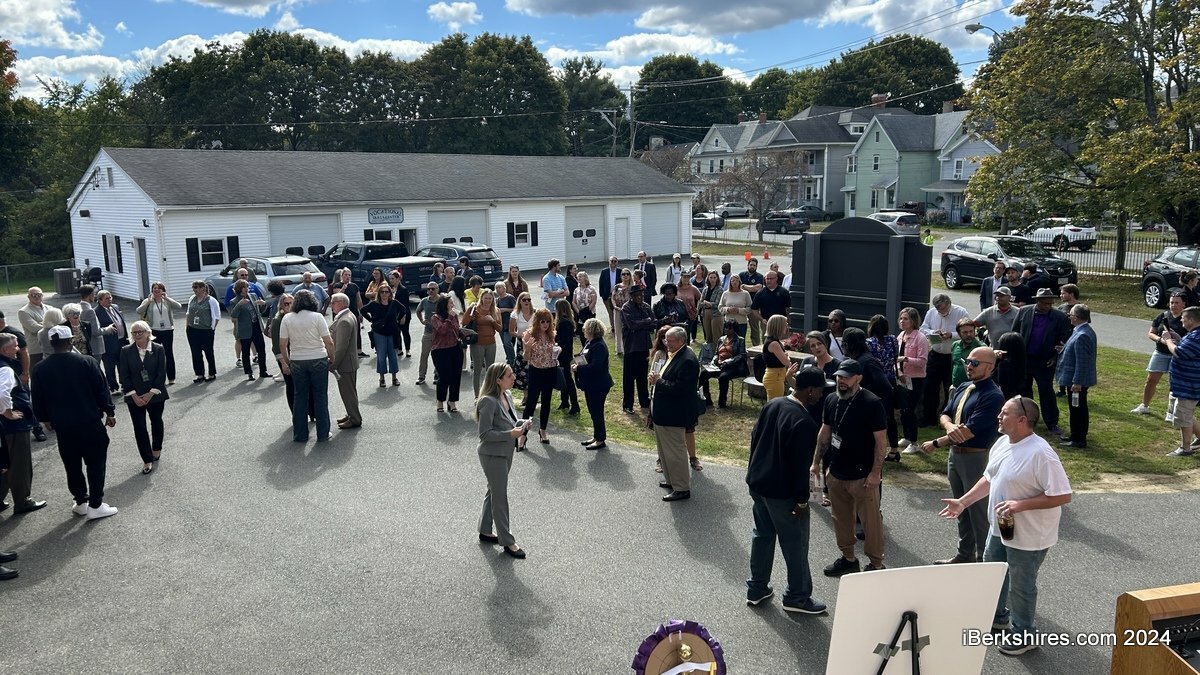
The ribbon was cut Monday on a larger and revitalized space at the former Berkshire County Jail and House of Correction. Established in 2022, "2nd Street" has assisted more than 1,000 individuals with medical and mental health, housing, job training, legal services, and more.
"This milestone is not just a reflection of the crucial services and the need for these services in our community but also a testament to the compassionate, non-judgmental care that our staff here delivers to each and every one of the people that walk through our doors," Executive Director Lindsay Cornwell said.
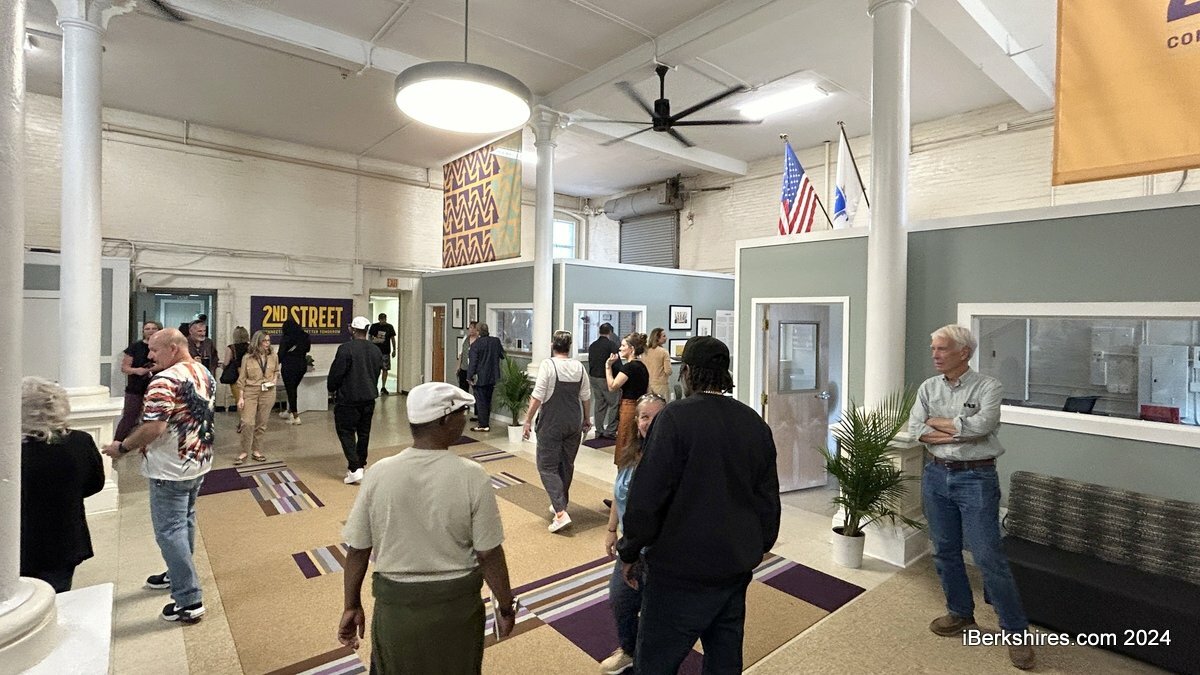
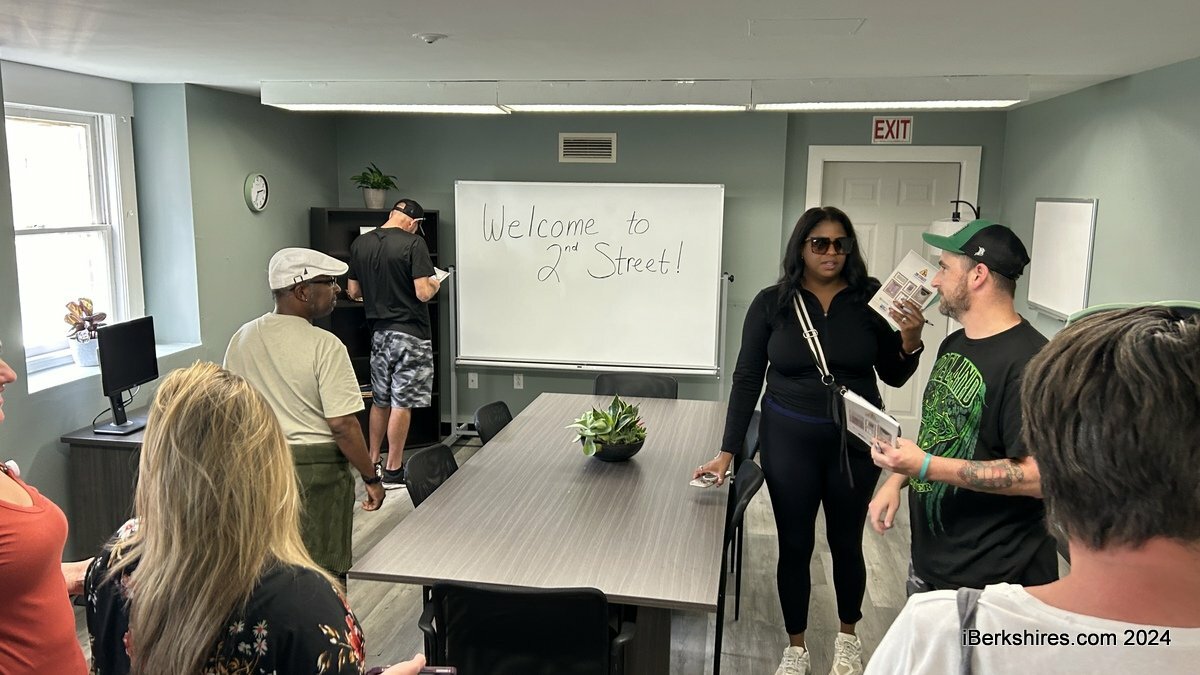
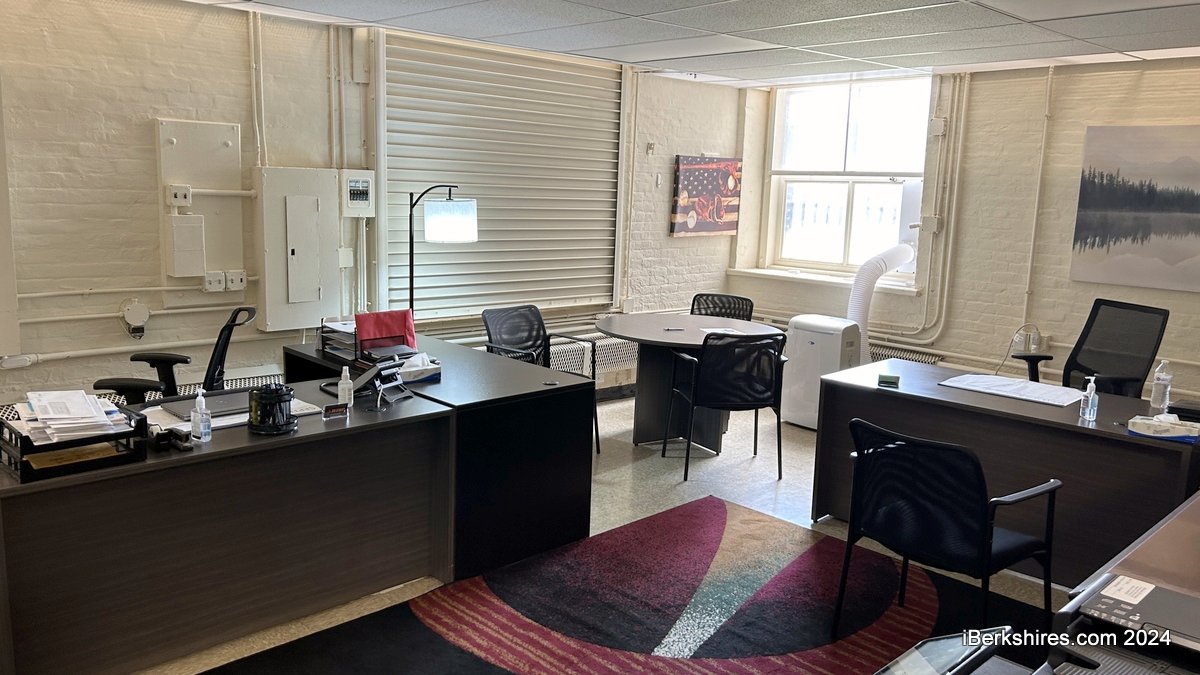
The nonprofit's space has expanded from 1,500 square feet to 4,600 square feet, with two community navigator offices in the "rotunda" or main area, an office for private meetings, a large room used for workshops and meetings, and common spaces.
Sheriff Thomas Bowler said the numbers speak for themselves, comparing the program's 11 percent recidivism rate to the county's 36 percent. He emphasized the importance of having supports in place immediately upon release from jail.
"The first 72 hours are the most critical to reentry success. This is the time when a plan is established and important appointments and meetings occur, or when it could potentially fall apart," he said.
"Whatever the need, our navigators work with a vast collaboration of resources that has been built to find a solution. It may be as simple as a ride to an interview or as difficult as finding affordable housing in today's economy. Our navigators go above and beyond to do whatever is needed."
The Berkshire County Sheriff's Office provides the space for free, including utilities and maintenance. Bowler announced that at the beginning in 2025, the office will take on the majority of 2nd Street's operational expenses.
In 2022, the program was awarded $240,000 in funding from the Baker-Polito administration's Community Empowerment and Reinvestment Grant Program. Soon after, the city provided a $700,000 in American Rescue Plan Act funds to be spent over three years.
"I will continue to fight for state funding to allow this program to succeed and expand as necessary," Bowler said.
"Our mission has always been to return individuals to the community better equipped to succeed, and when they came to us in our partnership with Second Street chances is doing just that."
President Mark Gold explained that less than three years ago, a group gathered in the former jail to discuss how they could improve opportunities for formerly incarcerated individuals to successfully reintegrate into their communities. It included six founding partner organizations, representatives of the Sheriff's Office, community members, and formerly incarcerated individuals.
"Our pitch to potential funding sources was simple: Give Second Street three years to prove we could make a tangible impact on successful reentry, which would in turn strengthen the local workforce and the broader community and allow us time to build a runway to sustainability," he said.
"Today, we are here to celebrate that progress."
Bowler explained that when he took office 14 years ago, it was "very evident" that community navigators were needed to continue offering services provided in jail when a person has completed their sentence.
Community navigator Jason Reilly and his colleagues have assisted people with simpler tasks such as obtaining an identification card to more in-depth tasks such as achieving or sustaining sobriety.
Second Street partners with countless agencies for referral services and brings some to the facility so that they are easily accessible.
Reilly pointed out that this is a completely volunteer program.
"People come here if they want to change and I like that because I've had a few jobs in the human services field and it's tough to make people do something when they don't want to do it," he said.
"People come here because they want to change. They want their lives to be better, they want to work, or they need something they don't know how to get."
During the event, "Using Our Outside Voices," a literary journal featuring works by currently and formerly incarcerated individuals from Berkshire County was launched. The Pathways to Freedom mentorship program was also debuted, with members assisting in the ribbon cutting.
Contributing author and intern Tiffany Brouillette described Cornwell as her angel. She has been clean for more than eight years and in her entry, she detailed the strife that encompassed her life before committing to sobriety at the age of 30.
"I never imagined life would be this great. I won't say every day has been butterflies and rainbows but I will say, for the first time in my life, I'm not in a dark place. I'm truly happy, and I don't let my trauma stop me from succeeding in life," she wrote.
"Today, I work through it and keep going so I can be a better person and productive member of society. I can't wait to see what my future has in store for me. I always knew there was a light at the end of the tunnel, and I'm so grateful for the love and support I get today. It doesn't get better than this. I am a survivor who chose to stand up and take my life back."
Tags: ribbon cutting, sheriff, social services,