

Pittsfield Takes 'Big Step' With Supportive Housing
PITTSFIELD, Mass. — Those experiencing homelessness often need more than four walls and a roof.
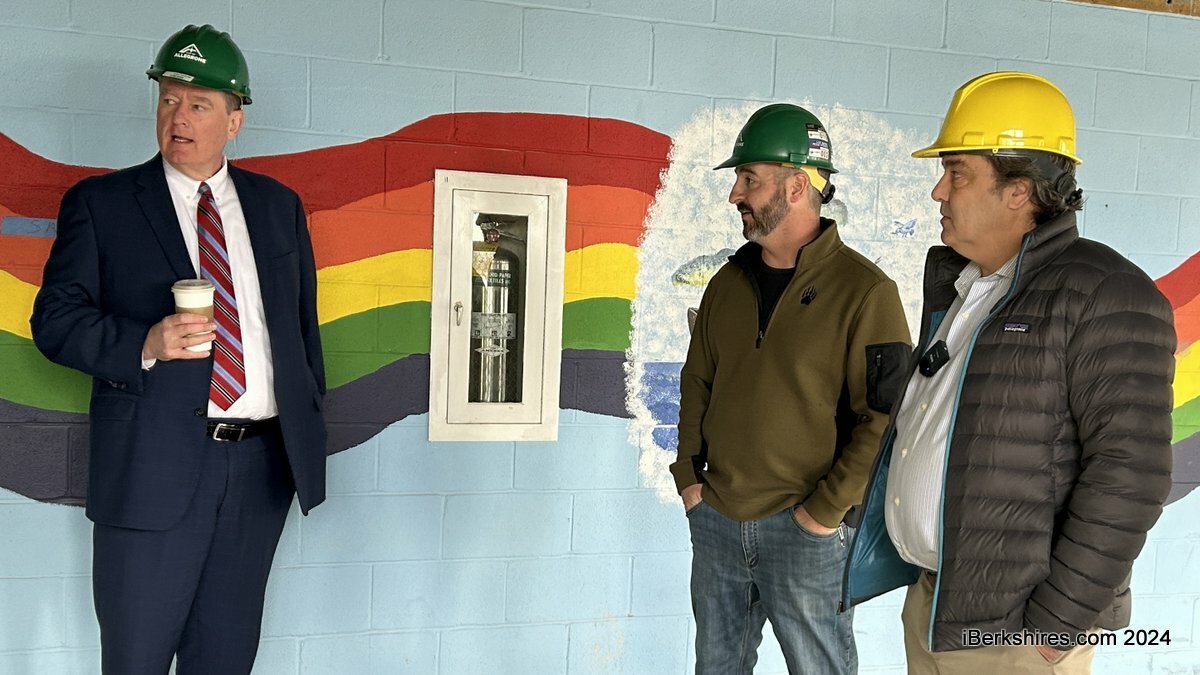
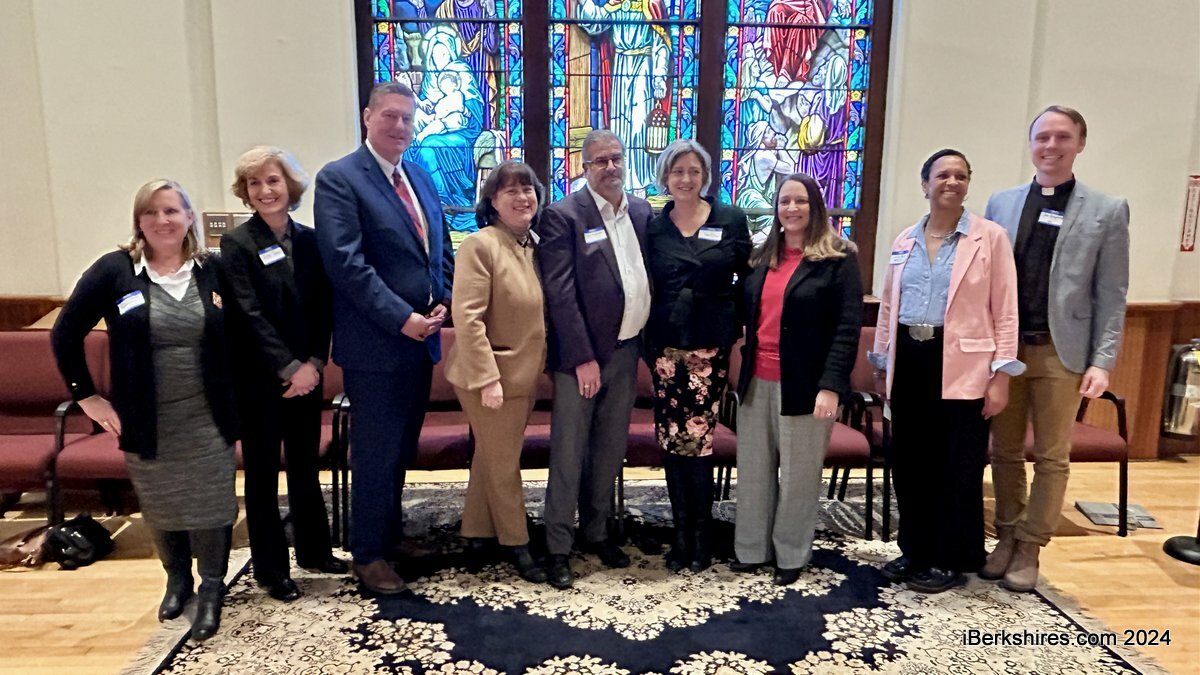
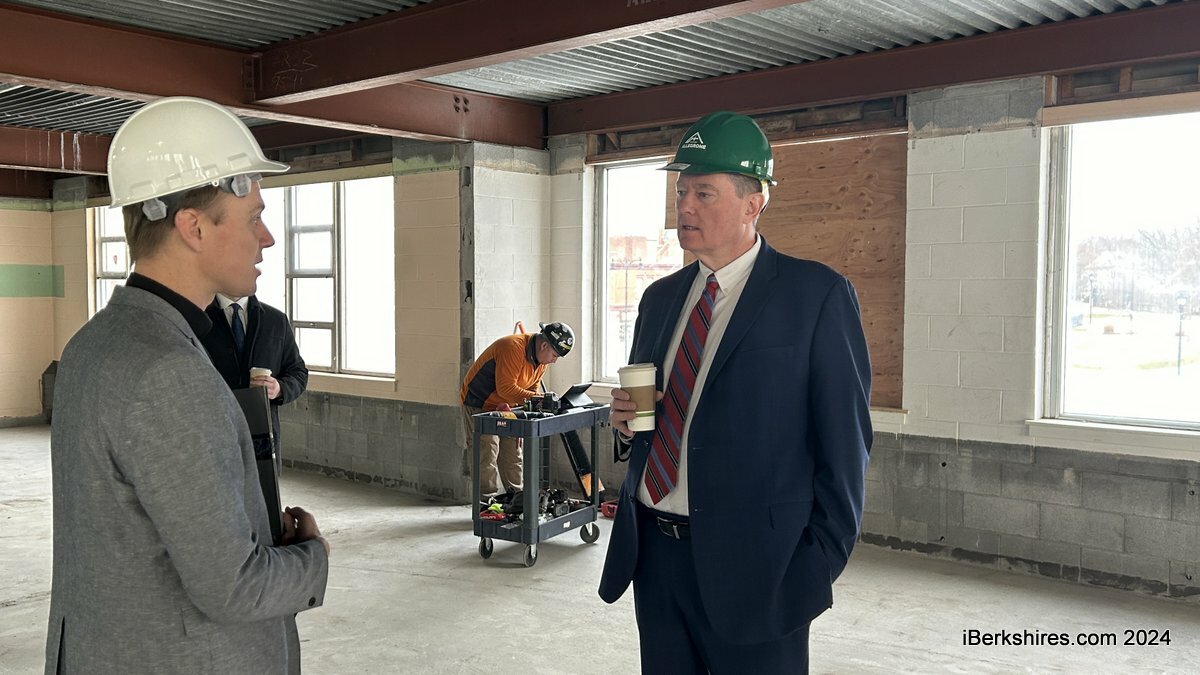
On Tuesday, Hearthway Inc. hosted a ceremonial groundbreaking for 37 new units of supportive housing, 28 on vacant land on West Housatonic Street and nine at Zion Lutheran Church on First Street.
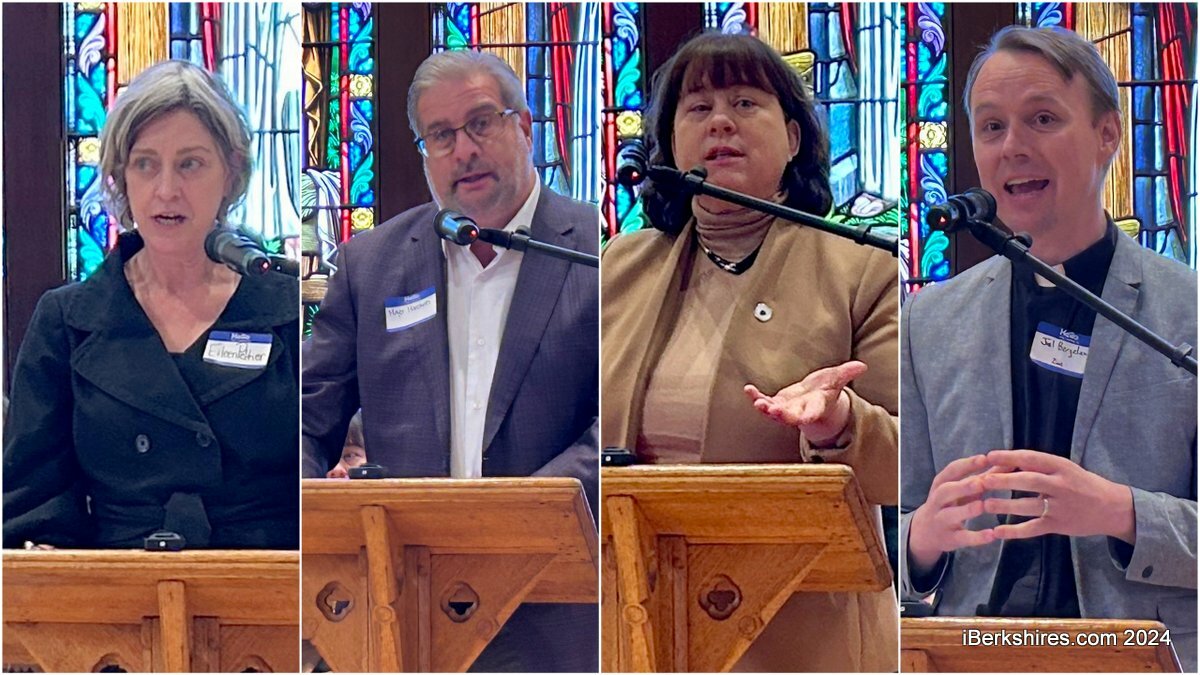
"Today is a good day. It's a day we celebrate our community's commitment and responsibility to our neighbors, especially those who are unhoused, living in shelter, or outside," President and CEO Eileen Peltier said.
"Today, Pittsfield is taking a big step toward our responsibility to make our community stronger for all of us."
The approximately $16 million project offers tenants a variety of services from partner organizations such as The Brien Center and ServiceNet. It also includes a 6,500-square-foot housing resource center in the church's basement, funded by the American Rescue Plan Act, with bathrooms, showers, laundry, offices for service providers to meet with clients, and more.
"We know that providing four walls and a roof is often not enough to ensure individuals are safely and continuously housed," Peltier said.
"Permanent supportive housing like these homes is the best way to ensure individuals thrive."
Hearthway, formerly Berkshire Housing Development Corp., is developing the units on donated land on West Housatonic and at Zion Lutheran Church through a lease agreement. The church will remain open during construction.
The Rev. Joel Bergeland explained that the Zion community is bound by a commitment to treat each neighbor with reverence and see them as "gifts sent from God." While others may not share that faith, he pointed out that they are bound by a charge to seek the welfare of the community.
He said many unhoused community members already seek shelter on the church's grounds, almost as "prophets."
"Where they would end up sleeping most often was the south entryway of our church, the south entryway that will be the entrance for both the First Street apartments and the housing resource center," Bergeland said.
"They were coming to the right place. They were coming to the right door. They were looking for shelter and basic needs, the very things that will be offered in this building. They were just a little bit early. They knew, perhaps before we all did, that this place held the potential to be what we are making it now."
The state Executive Office of Housing and Livable Communities contributed more than $7.8 million in subsidies and $3.4 million in low-income housing tax credit equity for the West Housatonic Street build, and $1.6 million in ARPA funds for the First Street apartments.
"Our goal isn't to just shelter people, our goal is to house people," Housing Secretary Ed Augustus said. "Shelter is a stop along the way, perhaps, but it's not an end goal. The end goal is a home."
He said permanent housing is where people get the chance to care for their physical and mental health so they can move their lives into a better place.
"Research shows that a lot of folks who particularly have been chronically homeless, so on the streets for more than a year, need supportive services to really stay successfully rehoused," he said, explaining that there may be underlying mental health, substance abuse issues, or both that are barriers for people.
Augustus said local leaders have stood up and put more light and less heat on the issue, using understanding to make common-sense solutions.
"Supportive services paired with housing are critical to help individuals achieve the skills necessary to maintain stable housing, which is also helping them address other underlying needs that may have contributed to their housing insecurity," Mayor Peter Marchetti said.
"Without this support, many who transition from a shelter or other temporary living arrangements into permanent housing often do not succeed and end up trapped, repeating the same cycle of homelessness, making it harder each time to obtain permanent, stable housing."
He said it was important that former Mayor Linda Tyer was at the ceremony, as her administration provided $6.5 million in APRA funds for permanent supportive housing and the housing resource center.
Tyer said "one of the truly most difficult, heart-wrenching, devastating experiences" of the COVID-19 pandemic was the rise of homelessness and the experience of the encampment at Springside Park. Many were without shelter or access to food, showers, and wraparound services that they needed.
"That was crisis management. It was also a reckoning," she said. "It was a moment when I spent a lot of time with people who are experts in the field of caring for people who are unhoused and it was a moment of great revelation and I learned a lot from that experience that was devastating to all of us."
She admires the people who helped her learn, grow, and understand the complexities of dealing with the homeless crisis and credited the people on the front lines who guided her to the decision that Pittsfield needed to do everything it could to care for these people.
When Tyer first heard that the city was getting nearly $42 million in APRA monies she could hardly believe it but "That's where the dreaming began and the community conversations and the engagement and 'how do we put this once in a lifetime resource to the best use?'"
A third of the funding has gone to housing.
State Rep. Tricia Farley-Bouvier said this is what community looks like. While the crisis is still prominent today, the city and its partners are responding to the call.
"We are imperfect in this community because it's cold out and there are people sleeping on our streets and in our parks now and there's twice as many sleeping on our streets today as there were a year ago so this is a crisis and we have to respond," she said.
"And so we celebrate today because we are taking a really big step in being able to do that and I'm happy to be a part of this team but this team is made up of, as we said before, local leaders. Something about teams is teams aren't just about the people playing on the court that day, right? It's about the teammates that came beforehand."
Farley-Bouvier said Tyer had "unbelievable vision and leadership" when she invested ARPA money in housing and Marchetti continued the effort with his administration.
She recalled meeting Bergeland for the first time during the pandemic and hearing his ambitious wishes to transform the vast church property into something that serves the community. The state representative also remembers Zion having T-shirts that read "God's work. Our hands."
"And it's not just God's work in your hands but your heart, it was your tenacity, it was your willingness to have the hard conversations," she said.
"This is not easy work. It's not planning a parish picnic, right? It's a lot harder than that and you got through probably some difficult conversations, probably people left the room at the end of the evening and not everybody was happy with each other but you kept going and you're doing God's work and I have the utmost respect, admiration, and gratitude for this congregation."
Bergeland arrived in Pittsfield in 2021 and found the 1960s wing of the building needed "a slew of repairs" and was not accessible. The church decided that the space was meant to be shared with the wider community and he spent a summer calling organizations — and even knocking on car windows — introducing himself to stakeholders and asking if they were looking for space in the downtown.
"[Peltier] answered the phone and three years later, here we are today," he said.
The second-story space that formerly held classrooms will be transformed into nine units and the former banquet hall on the lower level will be the housing resource center.
Project funders: Community Economic Development Assistance Corp., Charles Bank, City of Pittsfield, Executive Office of Housing and Livable Communities, Federal Home Loan Bank's Affordable Housing Program, Massachusetts Alliance for Supportive Housing, Massachusetts Housing Investment Corp., Mass Housing Shelter Alliance, and ARPA.
The program also included comments from CEO of MHSA Joyce Tavon, Central and Western Mass Director of Housing for the CEDAC Shyla Matthews, and MHIC's Chief of Investment Programs Leslie Reid.
Tags: affordable housing, groundbreaking, homeless,