Pittsfield Council to See Recycling Contract, Trash Presentation
PITTSFIELD, Mass.— Trash talk is back on Tuesday's City Council agenda with a proposed five-year extension for recycling services and a presentation on the new toter system.
Mayor Peter Marchetti has brought forward a year contract beginning on July 1 with the Department of Environmental Protection and WM Recycle America, LLC for processing the city's recyclables. Pittsfield's current contract with the DEP for recycling at the Springfield Material Recycling Facility expires on June 30.
The new proposal includes a provision for an annual processing fee adjustment of one percent of the prior year's processing fee beginning next year and a tonnage fee adjustment will apply when annual tonnage falls below the baseline of 16,800 tons.
"The amendments also address financial adjustments for tonnage variations, increase incentives for reducing contamination, and ensure stability in operational costs. Importantly, there are no changes to the list of acceptable recyclable materials, preserving consistency for residents," Commissioner of Public Services and Utilities Ricardo Morales wrote to the council.
"This extension is critical for maintaining Pittsfield's commitment to sustainable waste management practices and ensuring the continued availability of regional recycling infrastructure."
Processing fees and revenue sharing are not proposed to change.
The annual processing fee increase of 2.5 percent per ton is the same percentage in the original agreement. When the average market value is below the processing fee, the AMV is deducted from the processing fee and when the AMV exceeds the processing fee, 70 percent of the AMV is paid to the community.
Under the contract, the processing fee would start at $105.79 per ton in the first year and increase to $116.77 per ton in the fifth. The cumulative annual processing fee adjustment of one percent would be $4.39 per ton in the fifth year.
A table in the meeting materials outlines the tonnage fee adjustment for less than 14,000 tons to over 16,800 tons. If the city exceeds 16,800 tons, it will not be charged an adjustment fee and if it is below 14,000, fees per ton range from $17.50 in the first year to $19.32 in the fifth year.
Councilor at Large Earl Persip III requested a comprehensive report addressing the implementation of the trash and recycling program launched last fall. He also requested a list of trash and recycling pickups designated for properties with more than three-family units, which shows there are 3,883 residential units within properties with more than three-family units in the city, and of those, 304 properties have exactly four living units.
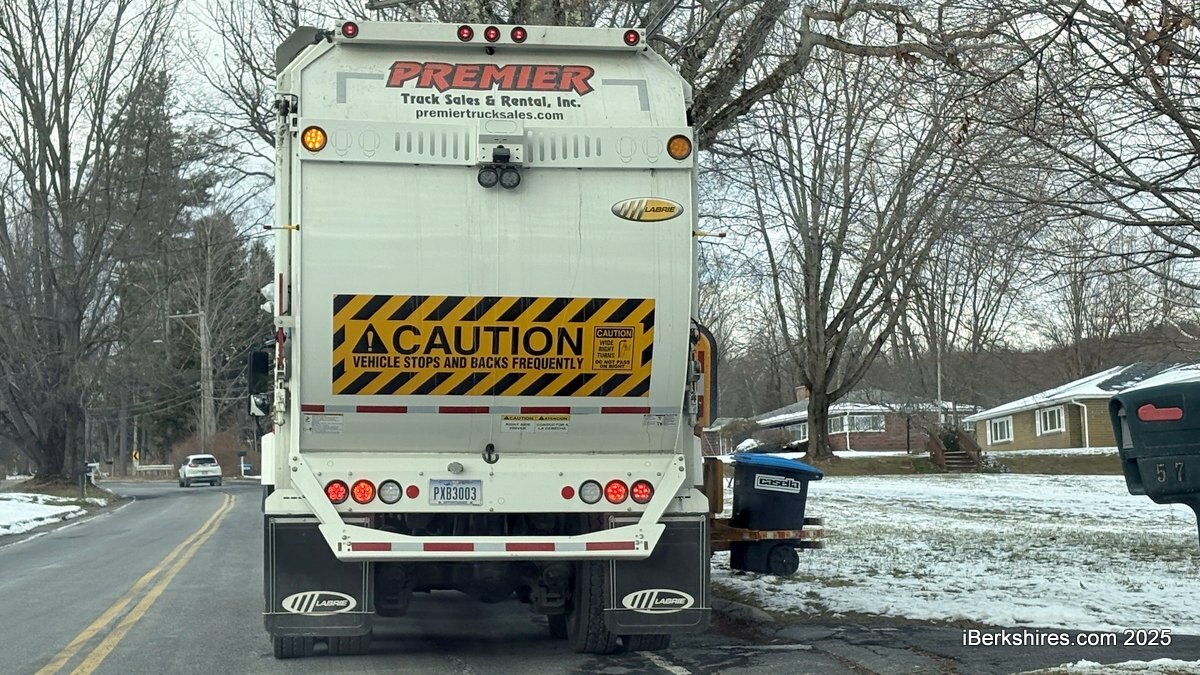
The administration reported that there have been 34,476 taters delivered under the initial rollout. All remaining deliveries are expected to be completed by Jan. 15.
It is reported that trash has decreased consistently in the last three months to an average of 1,024 tons per month from an average of 1,388 tons per month. In that time frame, recycling has increased to an average of 201 tons per month from an average of 148 tons per month.
This is attributed to about 50 tons eliminated from the 420 households removed from the program, the limited size of the toters leading to a reduction in heavier waste, no more trash being brought in from neighboring towns, and eligible residents opting out of the program.
Morales wrote that the program is on track to reduce household trash output by more than 16 percent annually, representing a significant step toward meeting waste diversion and sustainability goals. He anticipates that as residents continue to adjust, there will be further reductions and efficiencies.
"The automated system and taters have played a critical role in shifting waste management behaviors. The sharp rise in recycling rates and the decline in trash tonnage align with the program's goals of reducing waste sent to landfills and increasing recycling efficiency," he wrote.
"Seasonal factors, such as reduced yard waste in winter months, may have contributed to the declining trash volumes, but the data strongly indicates program success in encouraging waste diversion. The program's first three months demonstrate encouraging trends toward waste reduction and recycling improvement. Continued community engagement and education will be crucial to sustaining and building on these achievements."
Tags: trash,