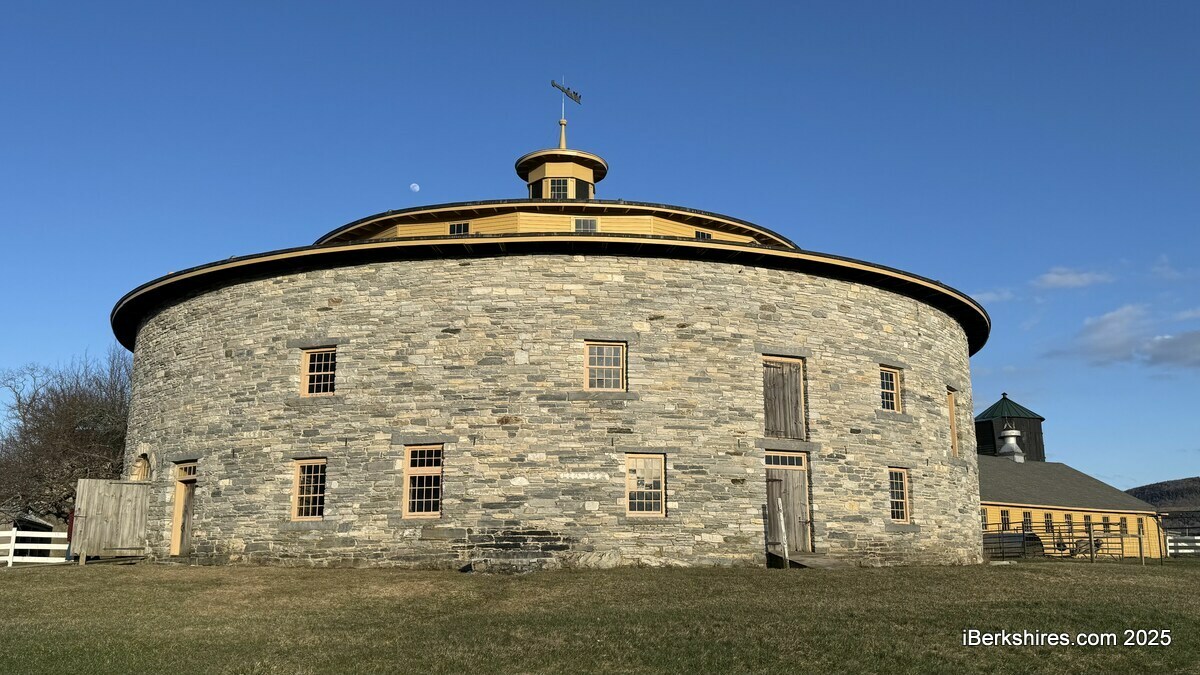
Baby Animals Festival Back at Hancock Shaker Village
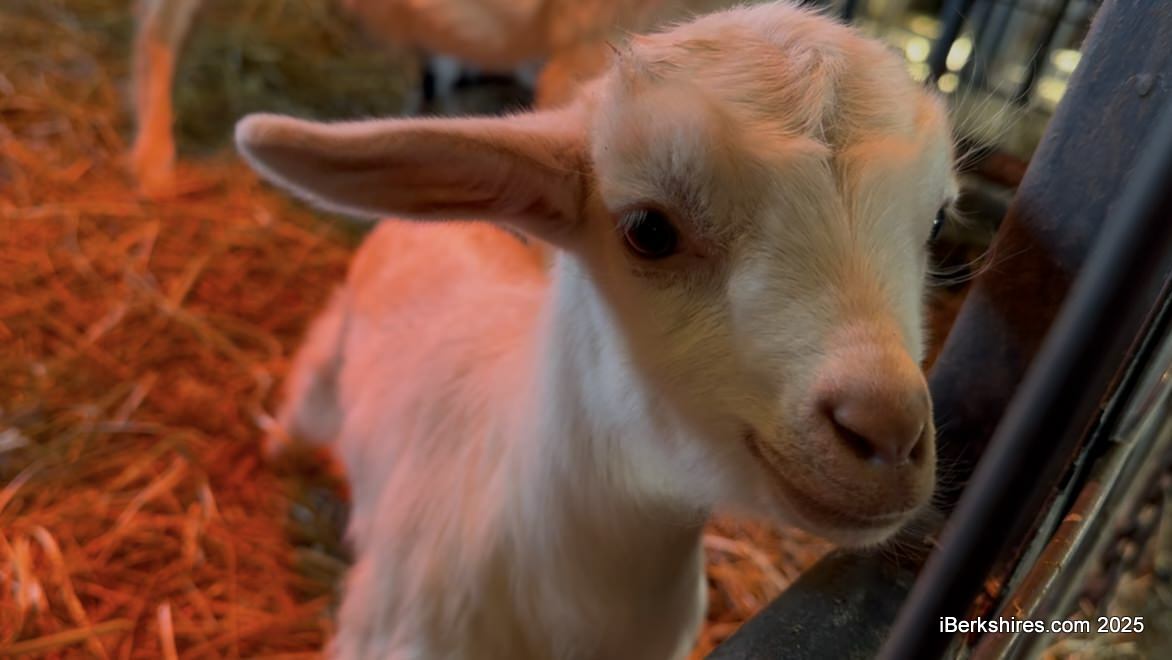
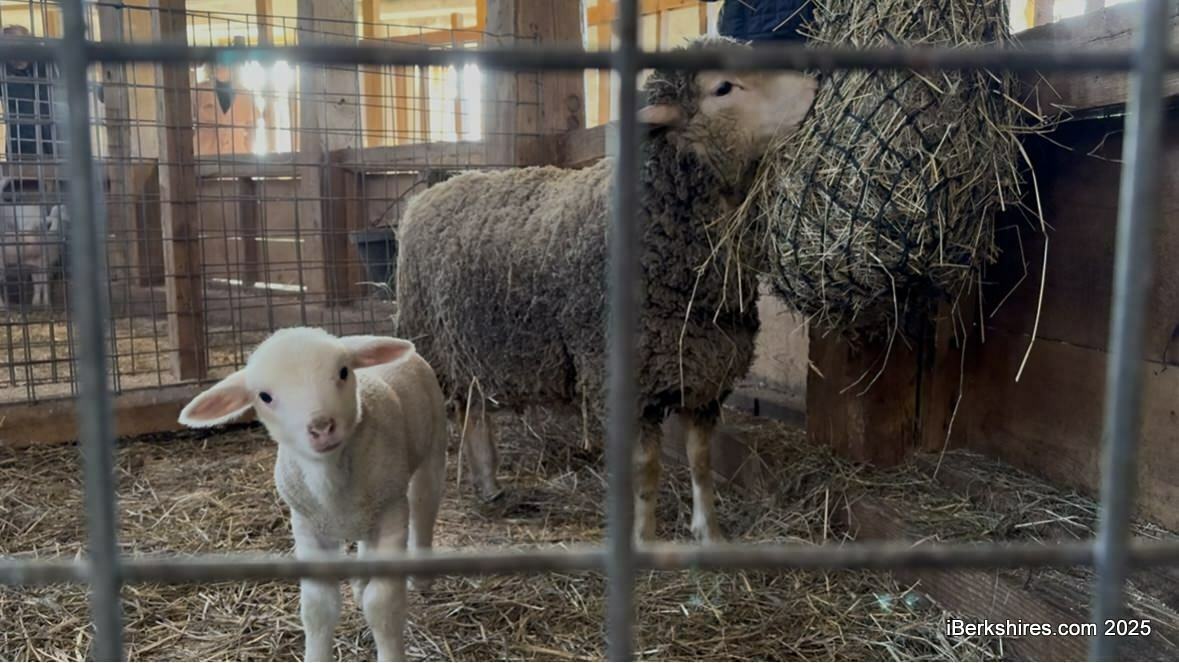
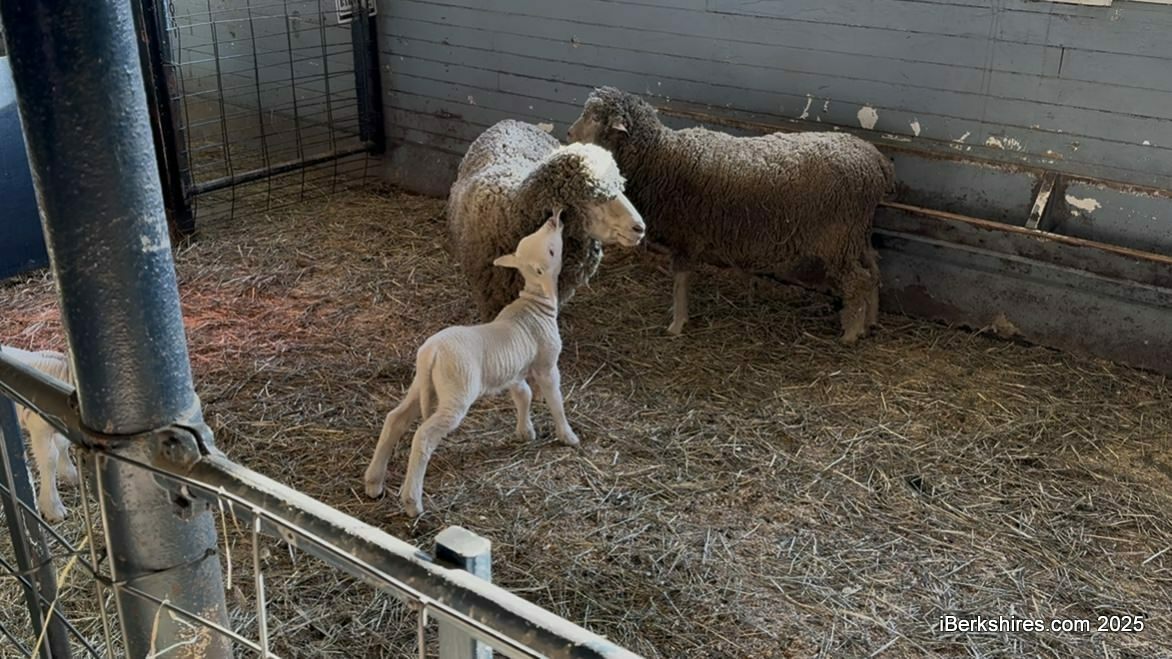
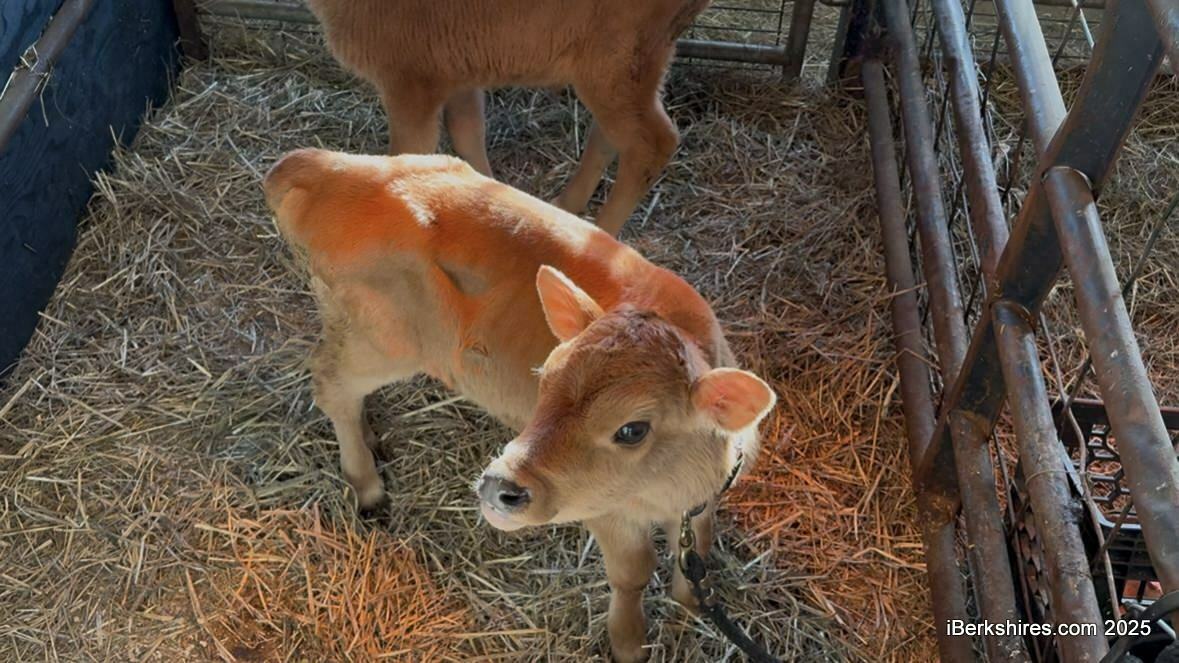
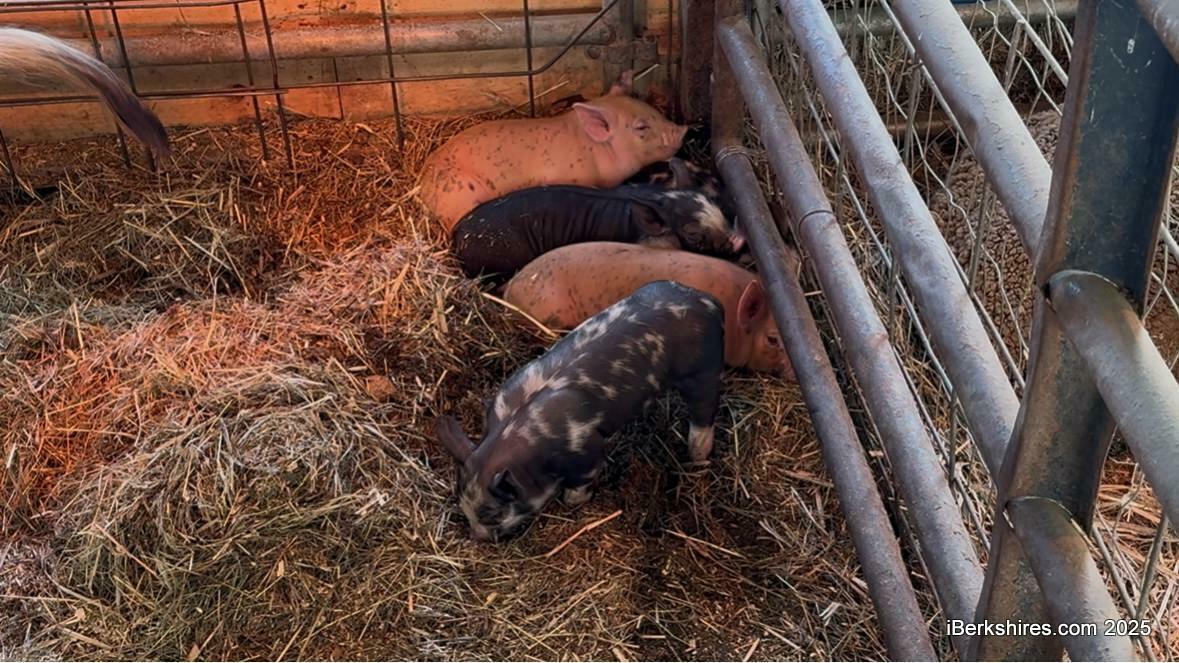
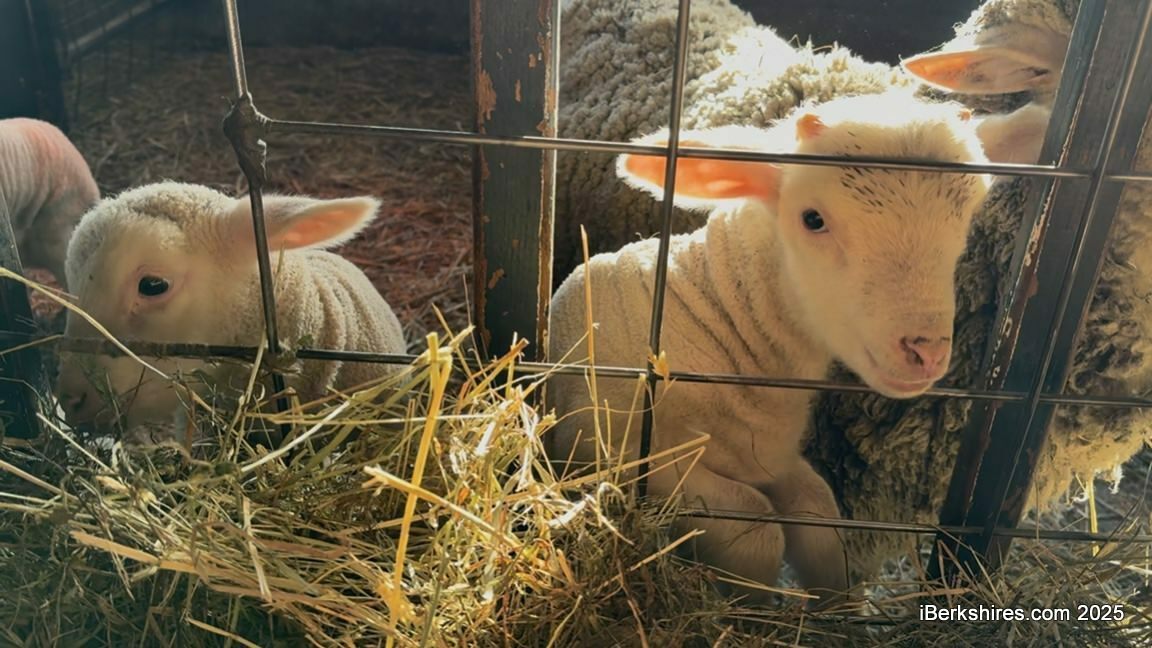
The village has a bevy of lambs, kids, piglets, chicks and calves with more expected.
"We welcome all the new baby animals: lambs, kids, piglets, calves, chicks. We welcome them into the farm family," said Director and CEO, Carrie Holland during a sneak preview this week.
The baby animals festival runs April 12 through May 4, from 11 a.m. to 4 p.m.
"This year we have a beautiful mix of animals, the calves are gorgeous, so I think people will really enjoy visiting them," Holland said. "Our livestock manager Olive, has also been getting deep into the science and she's really excited with some of the breed mix she's been able to achieve with the piglets and so she's very excited about that."
The mission of Hancock Shaker Village is to preserve the history of the Shakers and to educate the public about them, and the baby animals are a big contributor to that.
"Baby animals is an excellent way to help us talk about the Shakers and their farming and agricultural history," said Holland. "It's a big part of how they sustained this village and they were a closed community, they were self-sustaining and farming was a major way that they were able to do that from like a nourishment — providing food for the community ...
"Who doesn’t love baby animals? It attracts a wonderful crowd some people who are familiar with Shakers and some people who aren't so when they are coming through the doors maybe they just want to see a lamb but it gives us the opportunity to share more."
The village has welcomed lambs, kids, piglets, chicks, and calves, with a few more expected.
"It's such a fun time and it's just a way to welcome back the spring and the warm weather," Holland said. "It's lovely and heartwarming and like I said, you can't not smile when you walk into the barn and just hear all the baby animals, see them, smell them, it's truly a joyful time."
The village will also showcase eight exhibits throughout the year.
"A few will start to open during Baby Animals. So there's a photography exhibit that folks will be able to see day one, and we also have some pop-up experiences throughout the festival," Holland said.
During the summer, the village will be breaking ground on the renovation project for its visitor center. The project will open up the first floor and utilize the second floor that has been empty for years.
"We will finish the second floor, which is very exciting because we need more space," Holland said. "New galleries that we'll be able to put our objects in, so some of that is like improving the environmentals and the temperature controls and the spaces so we can better protect all the objects and display them."
The project will introduce permanent exhibit galleries, climate-controlled collection storage, open storage for some of the premiere objects in the collection, a library, new lobby, and multi-purpose spaces.
You can visit the Baby Animals Festival beginning Saturday, April 12, through Sunday, May 4, from 11 a.m. to 4 p.m. You can purchase tickets online or at the village.
Tags: Hancock Shaker Village,