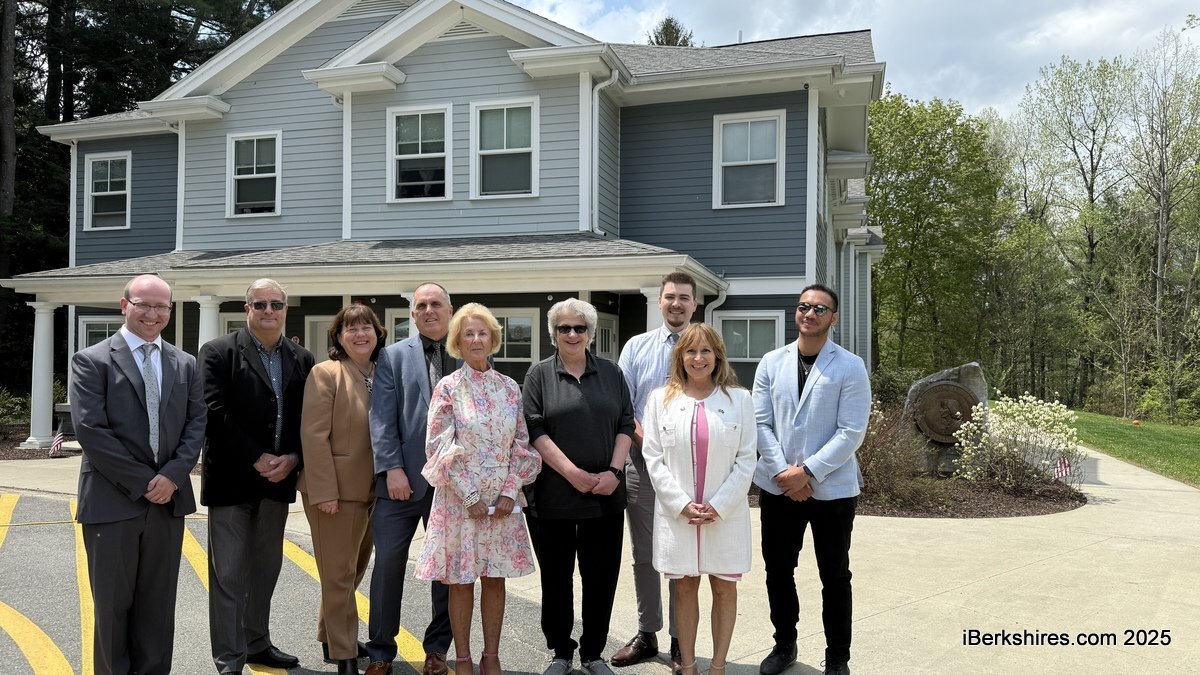
Katie Doherty Veterans Village Celebrates 5-Year Anniversary
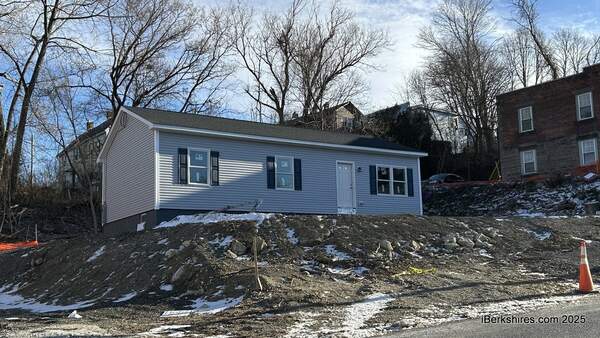
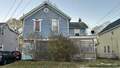
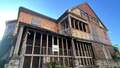
PITTSFIELD, Mass. — Five years of its establishment, Katie Doherty Veterans Village has become more than just housing for women veterans.
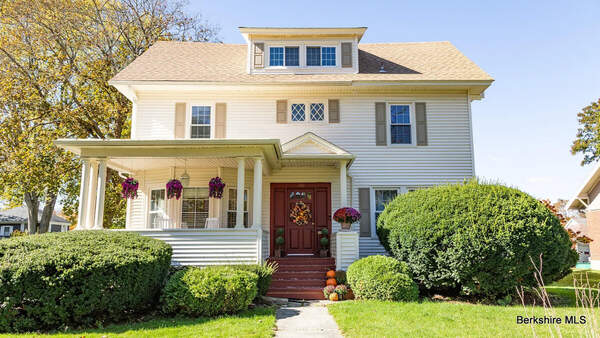
The 14-unit permanent housing community with on-site services to help veterans achieve stability and independence has become a model for other organizations, speakers at its fifth anniversary celebration said.
The village is named after Soldier On consultant Katie Doherty, who has played a crucial role in transforming Soldier On's women's veterans program.
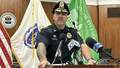
"This is just a representative or a symbol of all that she has accomplished and all that the impact that she's had on this agency, and, most importantly, the veterans, the female veterans, the women who have been through our agency," said Bruce Buckley, Soldier On president and CEO.
This property in the veterans housing world is unique in that not only does it have a focus on women veterans but is also has a cooperative model.
"It has this model where there really is a sense of ownership in the housing and a sense of community and I think that's what's at the heart of Soldier On's work and everything they do in building community and creating the layers of blankets of support. That I think is so critical," said Noah Coolidge, state housing, equity, resilience and outreach services director.
Soldier On was a key partner last year, when the state announced the "end veteran homelessness" campaign, Coolidge said.
He recognized the nonprofit's " incredible" work in outreach, support, and case management.
Providing housing to veterans is more than just handing the keys to a unit over. To ensure stability, it also includes food, transportation for medical treatments, and fostering skills for independent living. Community involvement is a crucial element of this initiative.
Housing is a major topic for Pittsfield and communities across the state. People are struggling to find quality, affordable housing, and as a community, Mayor Peter Marchetti said, "We need to provide housing options that meet the variety of needs, including support for emergency sheltering, transitional housing, housing with supportive services, and permanent housing, including both affordable and market-rate."
The city is collaborating with community partners to develop new housing initiatives, supported by approximately $9 million in ARPA funding, Marchetti explained while highlighting some recent projects, including the Pearl, the shelter on Fenn Street, Terrace 592, formerly known as the White Terrace building, among others.
"Soldier On is stepping up to do their part in helping ease the burden of finding affordable quality housing, especially for both men and women who have served our country," he said.
"Back in 2010, Soldier On opened 39 units as part of the Gordon H. Mansfield Veterans Community. Ten years later, in 2020, the year that was a challenge for many of us, the Katie Doherty Village opened. It's remarkable that even during COVID, we can still find a way to make progress."
When people talk about the work that Soldier On does, they want to replicate the wrap-around services they offer, said state Rep. Tricia Farley-Bouvier.
In 2012, Doherty conducted a comprehensive 42-page review of Soldier On's existing women's program at the Northampton veteran affairs campus.
"Believe me when I say there were so many good things going on, the women's program was small. It definitely had its own feeling. It had its own passion. I knew that there was a lot of possibility there. The commitment of all Soldier On employees was so prevalent. I did think that the utilization was low and the recidivism rate were too high," Doherty said.
"What that meant was that we weren't filling all the beds, and I knew that there were many more women who needed help, and the women that were leaving our program were relapsing and coming back, the recidivism was so high, and I thought that we could change both of those demographics."
She developed a holistic approach to veterans' services, focusing on mind, body, and spirit.
As the women's program grew the organization started to establish partnerships with organizations like the National Center on Family Homelessness and the Paul Newman Foundation, which improved program support and resources.
The partnership with the National Center on Family Homelessness introduced trauma-informed care to the program and helped develop the Soldier On Training Institute.
"We here at Soldier On consider our work to be a sacred obligation. It's a calling, not a job. We look beyond statistic and labels; go above and beyond the cold hard facts and we ask our veteran what they need to change the direction of their lives," Doherty said.
"As I listened, I heard a great deal of hope. Hope despite the horrors of their journeys, the setbacks, the loss of faith and support, but hope was always there. But make no mistake about it–this work is hard."
"This work is hard and it is often heartbreaking. We can't save everyone but we respect the dignity of every veteran and we do care, We believe as an agency to a moral code of the importance of diversity, and equity, and inclusion. Now more than ever, we need to pray that these beliefs become part of the fabric of our lives."
Tags: Soldier On, veterans,