MassWildlife: Protecting your gardens from wildlife
We all know the feeling. You spend winter drawing up your garden plan. You dream of tomatoes, cucumbers, zucchini, and more that you'll be able to harvest from your backyard. When the weather warms, you get outside and start to prepare your garden beds and, eventually, get seeds or seedlings into the ground. In summer, when it's finally time to reap the rewards of your hard work, your heart sinks as you find that something else got to your garden first.
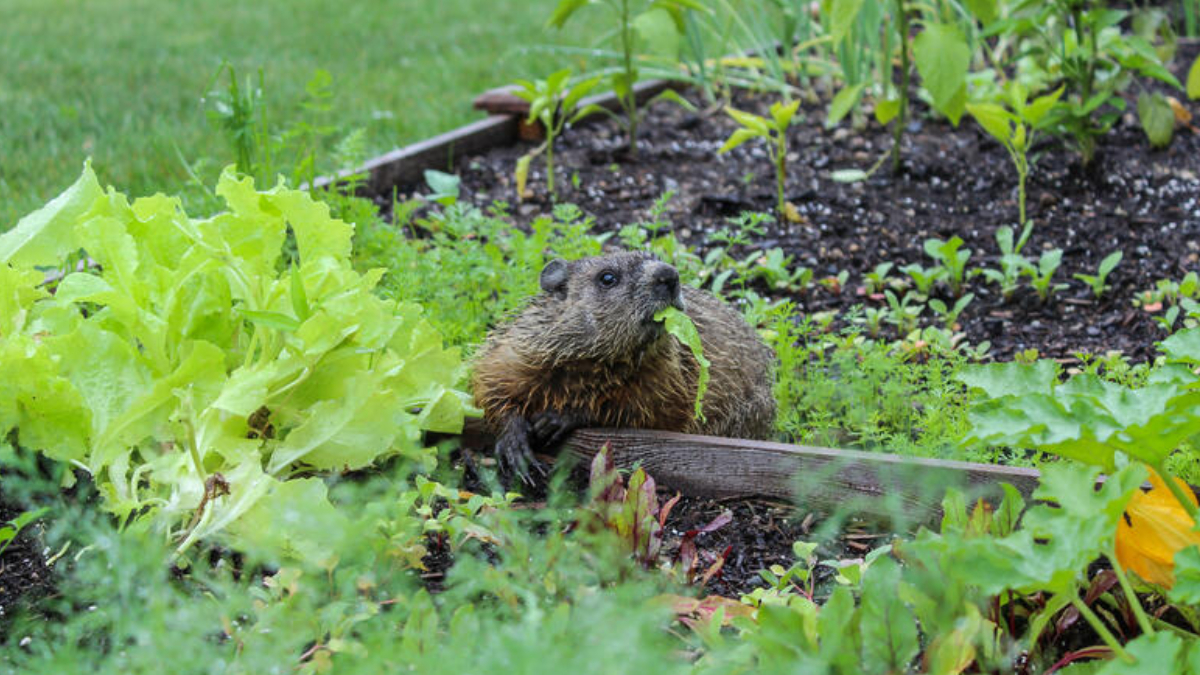
You're not the first, or last, person to have your veggies vandalized by wildlife. Wild animals, like woodchucks, rabbits, squirrels, and deer, see our garden greens as a natural part of their diet and will snack on it if they have easy access. While there often isn't a single solution to keep wildlife out of our gardens for good, a combination of effective approaches and a little creativity can ensure you'll be able to enjoy the fruits (and vegetables) of your labor.
Exclusion
The best way to prevent garden damage from wildlife is to exclude them from the area with a physical barrier, like fencing. Three-foot-tall metal mesh fencing buried at least 1 ft down and 1 ft out in an L-shape can help keep critters like rabbits and groundhogs out. If you're trying to exclude rabbits specifically, make sure the mesh holes are ¼ inch or smaller to prevent young from getting through. Woodchucks are surprisingly agile, so consider using electric wire 4–5 inches off the ground and 4–5 inches from the fence, powered by an approved fence charger, to prevent them and other squirrel species from climbing over. If deer damage is your biggest concern, wire mesh fencing must be at least 8 ft high with an overhang to discourage them from jumping over. Eight-foot-tall electric fencing, regularly baited with peanut butter on tin foil, can also be used.
Eliminate shelter
Close off structures, like under sheds, porches, and walkways, that may provide shelter for wildlife on your property. Be proactive and block up all possible crevices and holes prior to any use. Be careful not to block such places when animals may be trapped inside. Clean up or cut back brushy areas or weed patches to remove potential shelter or nest sites.
Repellents
Scent-based repellents, like cayenne pepper, soap shavings, or predator urine, are commonly used to deter wildlife from gardens. While this can be an appealing option because it's quick, easy, and inexpensive at first, scent-based repellents do not appear to be hugely successful on their own. They also require regular refreshing, which can make them more expensive yet less effective in the long run compared to other more reliable solutions like fencing.
Scaring is caring
Most animals that damage gardens are prey species, meaning they can be scared off fairly easily. When you're home, step outside and shoo them away by walking toward them, shouting, clapping, or spraying water in their direction. Try placing shiny pinwheels, draping plastic streamers, hanging metal pie pans, and staging scarecrows to keep wildlife wary when you're not there. Motion activated moving statues, like owls, or predator eye balloons can also be effective. Deer tend to return at night, so a motion activated sprinkler seems to be a promising deer deterrent. Want to get really creative? Break out your motion activated Halloween decorations early to spook away wildlife.
Pro tip: Keep veggie vandals on their toes! It's essential to move frightening devices around the yard every few days so the animals don't get used to their presence and no longer view them as a threat.
Remove other food sources
Your garden may not be the only thing attracting wildlife to your property. Bird seed feeds more than songbirds – it attracts mice, squirrels, chipmunks, turkeys, and more. If an animal finds food at your bird feeder, they could visit your garden next. To avoid this, create a bird-friendly area without bird feeders. Outdoor pet food can also attract wildlife, like squirrels, chipmunks, opossums, and skunks, so feed pets inside or clean up immediately after feeding.
Protect backyard chickens
Wildlife killing unprotected chickens and damaging coops is becoming the?number one source of?human-wildlife conflict in Massachusetts.?A standard chicken coop is not enough to prevent damage from all wildlife. So, while you're working on your garden, take a moment to protect your chickens with properly maintained electric fencing.
Relocating wildlife
It may seem easier to relocate the veggie vandal somewhere else to prevent garden damage. However, relocating wildlife off your property is not only ineffective at solving wildlife problems, it's also illegal in Massachusetts. Learn why moving wildlife is harmful and what you can do if you're experiencing conflict with wildlife.
Tags: MassWildlife,