Central Berkshire Cell Phone Policy A 'Gamechanger'
DALTON, Mass. — Officials say Central Berkshire Regional School District's cell phone policy has been a success
In 2023, the district updated its cell phone policy to prohibit use during school hours to ensure that the use of cell phones or other electronic devices by students and staff does not interfere with learning.
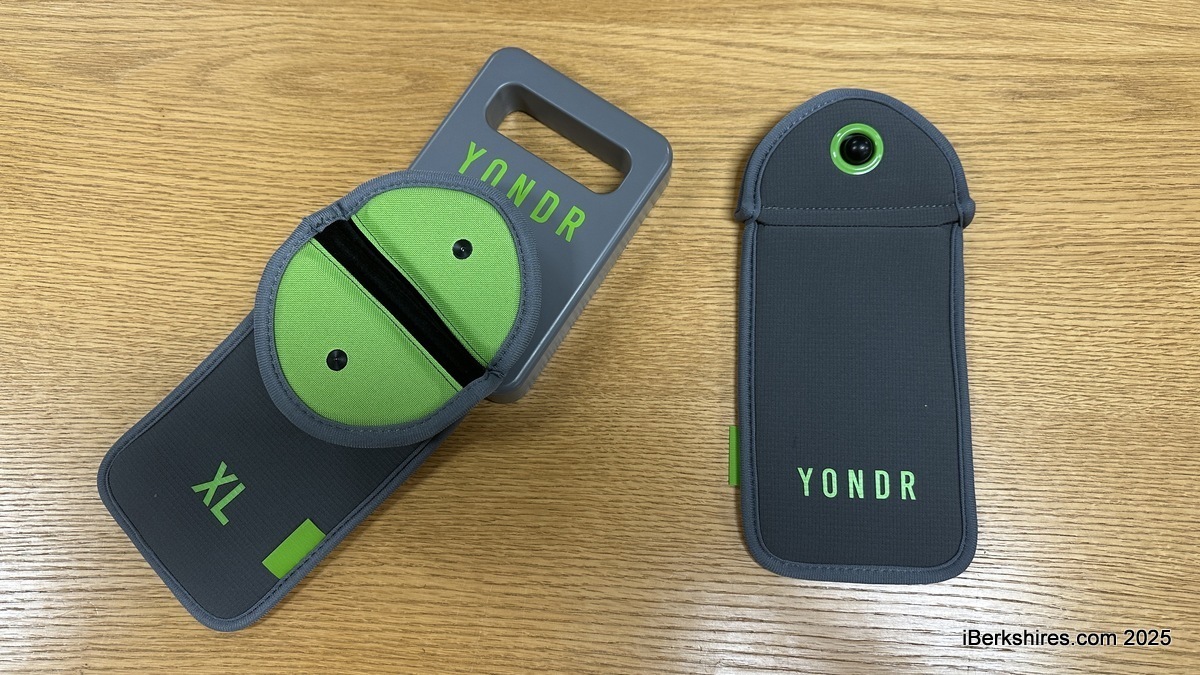
To accomplish a cell phone free learning environment the district has been utilizing Yondr pouches in the middle and high schools.
The pouches make cell phones inaccessible to students but allows the students to keep phones in their possession.
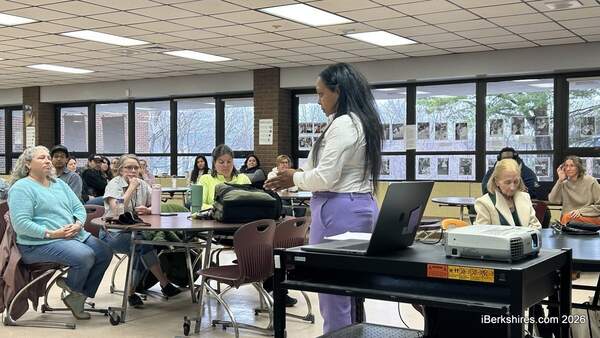
According to school staff and parents, the policy and the Yondr pouches have been a complete gamechanger, Assistant Superintendent Aaron Robb said at last week's School Committee meeting.
"[Teachers] feel like they have control of the learning environment again. They feel like they have the students' attention again," he said.
The lunch rooms are louder, Robb said.
"When I tell other administrators that there are no cell phones in our lunch rooms. They don't believe me. They think I'm lying," Superintendent Michael Henault said with a chuckle.
Robb also highlighted how a committee member from the New England Association of Schools and Colleges expressed surprise of the lack of phones in the schools.
"I had to bring her through Main Street during lunchtime, and we got into one of the hallways, and she kind of doubled back [and] goes 'I didn't see anybody on cell phones,'"
When Robb explained that when he told her that she would not see cell phones at lunch she was taken aback with surprise.
Some parents have also reached out to express that they have seen behavioral changes in the students at home, Robb said.
"[The parents] noticed a positive difference in their students at home, less anxiety, not as depressed or withdrawn," he said.
The policy hit the nail on the head and the district is ahead of the curve, Robb said.
"It was a smart thing to do. This past year was a far better year in the sense that students knew coming in, and they were very good about it," he said.
Since the enactment of the policy, the district has seen a substantial reduction in cell phone infractions.
"Prior to 2023 there were approximately 200 cell phone infractions per month. By May 2024 that number had dropped to 11 per month. So we're up to 20 or fewer per month," School Committee member Elizabeth Oakes said.
The vast majority of infractions when the policy was first implemented where within the first three weeks, which was anticipated as students adjusted to the change, Robb said.
A lot of Wahconah Regional High School students choose not to use the Yondr pouches, opting to leave phones in their lockers or cars instead. However, if they are found with their phones, then they are to place them in the pouches until the end of the day, she said.
"We are probably ahead of the curve, because the state may be implementing a cell phone ban statewide. We don't have to order more Yondr pouches. There is enough for the sixth grade, and data will continue to be reviewed," Oakes said.
The district had zero suspensions across the district for cell phone-based infractions, which is pretty impressive, Henault said.
Before the change, each month there were more than 200 infractions resulting in detentions or more at both Nessacus Regional Middle School and Wahconah Regional High School combined.
"Now it's down to like single digits," he said.
School Committee member Paul Farella said it is very encouraging to hear about the positive direction this policy has had through the anecdotal stories and the quantifiable metrics that the district can track.
Yondr pouches have been adopted by a number of school districts across the Berkshires with positive results.
Tags: CBRSD, phone,