Pittsfield Resident Given OK to Distribute Doughnuts
PITTSFIELD, Mass. — The City Council has clarified that a charitable resident can continue distributing cider and doughnuts to people, as long as parking regulations are followed.
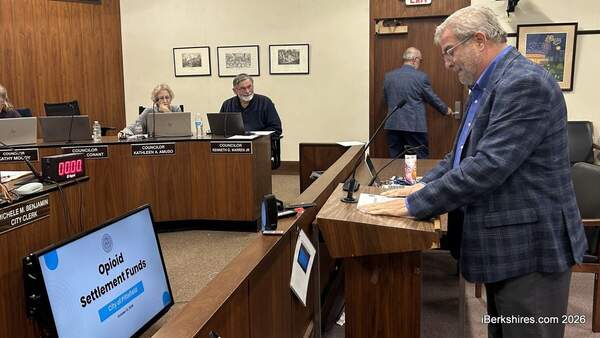
"So it is my understanding now, throughout this meeting, that there is no longer any threat of fine for feeding the homeless," Ward 7 Councilor Moody said to Robert Ball, who has distributed sweets and hot beverages around the city for months.
A couple of weeks ago, Ball told News10 that he ran into issues with the city about his charitable food distributions. Moody saw the story and filed a request that the city stand down on penalties against good Samaritans feeding unhoused community members until code violations can be clarified and the city solicitor can weigh in on the possibility of violating people's First Amendment rights.
During public comment, he reported receiving fines, tickets, citations, and increased pressure that made the distribution difficult.
"For many months, I've been volunteering my own time and money to provide hot apple cider and donuts to people experiencing homelessness here in Pittsfield. I'm not part of an organization. I don't receive grants. I've never asked the city for a single dollar. I'm one person trying to help out people who are cold and hungry and often invisible," Ball said.
"Sometimes all I'm offering is something warm and a moment of dignity, and that makes a difference."
Moody's petition was filed after city officials disputed claims of fines or threats of enforcement. Ball believes that the rest of Pittsfield should show more compassion and that there would be more community outreach if it were easier to assist people.
"When volunteers are treated as partners instead of problems, the entire community benefits. Public health improves, tensions decrease, and people in crisis are met with dignity instead of displacement," he said.
Mayor Peter Marchetti said his first experience with Ball was when he sought relief from a parking ticket for facing the wrong way on Pearl Street near the ServiceNet shelter, and that the fine has nothing to do with the food being served.
"Mr. Ball can do all the food distribution that he would like. I would like him to do it in a sanitary manner," he said.
Director of Public Health Andy Cambi said there have been no fines or formal requests issued for Ball to stop. Ball approached the mayor's office seeking a parking pass to distribute food, Cambi reported, and the Health Department became involved because of the nature of the request.
"At that point, I assessed the situation, and I saw that the food was being distributed out of a trunk, and regardless, I said the Health Department cannot sanction you to do this activity," the health director said, citing legal concerns if the city sponsored the handout.
Cambi was most concerned about the food being distributed from a trunk, a typically contaminated space, and said he provided Ball with guidelines for safe food distribution and alternative modes of distribution. He said the same dignity, respect, and standards should be applied when serving people experiencing homelessness.
At the very least, and if legal, Marchetti would like a policy that requires food distributers to sign a waiver of the City of Pittsfield.
Some community members voiced support for Ball's charitable distribution during public comment. Resident Christopher Bones argued that the store-bought apple cider and doughnuts, staple New England treats, are no different than the food in corporate break rooms or company pizza parties.
"What hurts the vulnerable people of Pittsfield more, the chance that someone else's hand may brush their food or no food at all?" he asked.
Resident Shannon Stephens said there is already hostile architecture in Pittsfield's downtown, and "everyone wants us to believe it isn't a war on the poor."
"What I do and who I share my food with that I buy is completely my business. The government, local or not, has no right to tell me what to do with my money or my goods," she added.
"You can tell me until you're blue in the face to instead donate to a shelter or food pantry, but there are still going to be people who fall through those cracks."
"So it is my understanding now, throughout this meeting, that there is no longer any threat of fine for feeding the homeless," Ward 7 Councilor Moody said to Robert Ball, who has distributed sweets and hot beverages around the city for months.
A couple of weeks ago, Ball told News10 that he ran into issues with the city about his charitable food distributions. Moody saw the story and filed a request that the city stand down on penalties against good Samaritans feeding unhoused community members until code violations can be clarified and the city solicitor can weigh in on the possibility of violating people's First Amendment rights.
During public comment, he reported receiving fines, tickets, citations, and increased pressure that made the distribution difficult.
"For many months, I've been volunteering my own time and money to provide hot apple cider and donuts to people experiencing homelessness here in Pittsfield. I'm not part of an organization. I don't receive grants. I've never asked the city for a single dollar. I'm one person trying to help out people who are cold and hungry and often invisible," Ball said.
"Sometimes all I'm offering is something warm and a moment of dignity, and that makes a difference."
Moody's petition was filed after city officials disputed claims of fines or threats of enforcement. Ball believes that the rest of Pittsfield should show more compassion and that there would be more community outreach if it were easier to assist people.
"When volunteers are treated as partners instead of problems, the entire community benefits. Public health improves, tensions decrease, and people in crisis are met with dignity instead of displacement," he said.
Mayor Peter Marchetti said his first experience with Ball was when he sought relief from a parking ticket for facing the wrong way on Pearl Street near the ServiceNet shelter, and that the fine has nothing to do with the food being served.
"Mr. Ball can do all the food distribution that he would like. I would like him to do it in a sanitary manner," he said.
Director of Public Health Andy Cambi said there have been no fines or formal requests issued for Ball to stop. Ball approached the mayor's office seeking a parking pass to distribute food, Cambi reported, and the Health Department became involved because of the nature of the request.
"At that point, I assessed the situation, and I saw that the food was being distributed out of a trunk, and regardless, I said the Health Department cannot sanction you to do this activity," the health director said, citing legal concerns if the city sponsored the handout.
Cambi was most concerned about the food being distributed from a trunk, a typically contaminated space, and said he provided Ball with guidelines for safe food distribution and alternative modes of distribution. He said the same dignity, respect, and standards should be applied when serving people experiencing homelessness.
At the very least, and if legal, Marchetti would like a policy that requires food distributers to sign a waiver of the City of Pittsfield.
Some community members voiced support for Ball's charitable distribution during public comment. Resident Christopher Bones argued that the store-bought apple cider and doughnuts, staple New England treats, are no different than the food in corporate break rooms or company pizza parties.
"What hurts the vulnerable people of Pittsfield more, the chance that someone else's hand may brush their food or no food at all?" he asked.
Resident Shannon Stephens said there is already hostile architecture in Pittsfield's downtown, and "everyone wants us to believe it isn't a war on the poor."
"What I do and who I share my food with that I buy is completely my business. The government, local or not, has no right to tell me what to do with my money or my goods," she added.
"You can tell me until you're blue in the face to instead donate to a shelter or food pantry, but there are still going to be people who fall through those cracks."
Tags: good samaritan, homeless,