Dalton Fire District Voters OK 'Surprise' Building Purchase
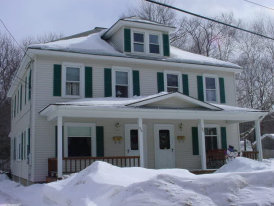
An image of 30-32 Flansburgh from the town's assessor data.
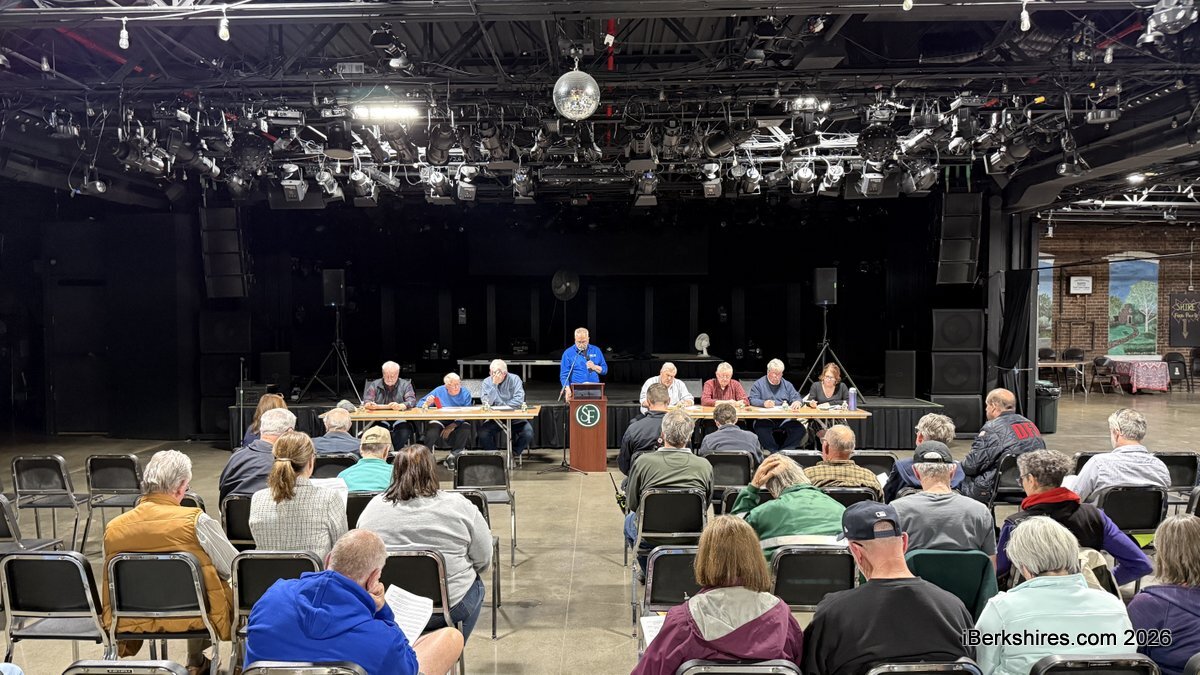
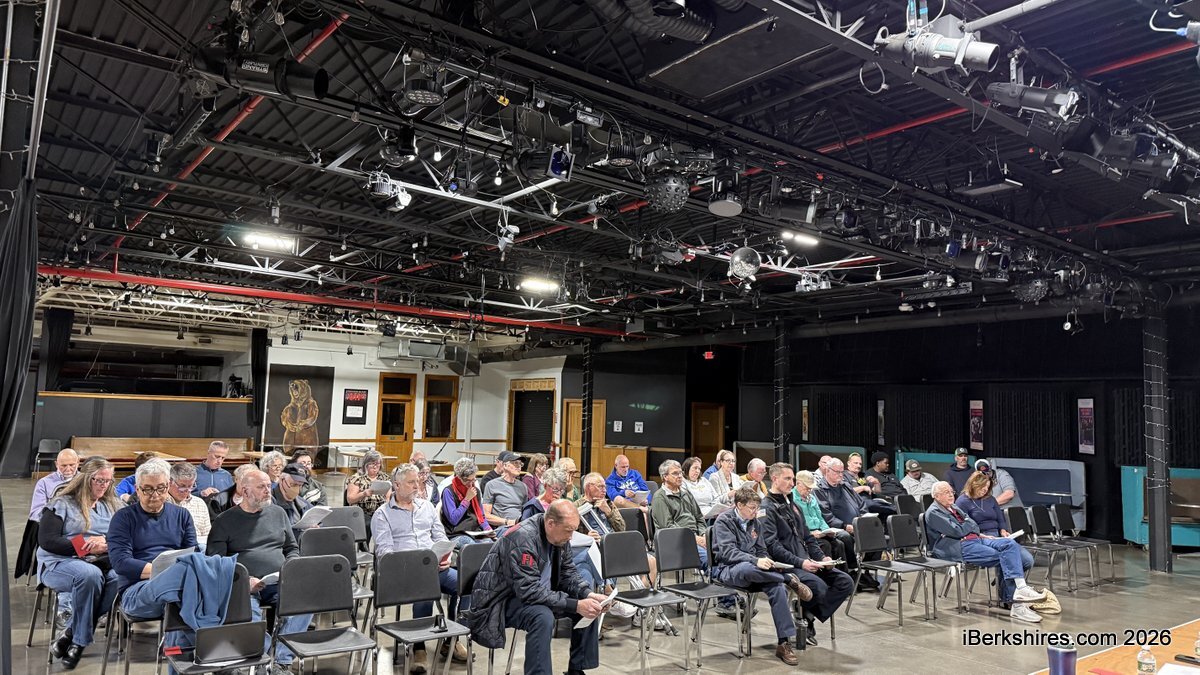
During the meeting on Tuesday at the Stationary Factory, 48 voters approved 24 of the 25 articles on the warrant, including the purchase of 30-32 Flansburgh Ave., directly next to the current station.
If the property passes the home inspection, the district would purchase the multi-family home from its current owner Richard Olsted for $350,000.
The property is a two-family duplex built in 1920 with more than 6,000 square feet on a fifth of an acre. Its assessed value according to information in the town's database is $305,200. It's estimated on Zillow at $312,500, with a potential high of $350,000.
As part of the agreement for the purchase cost, the district agreed to allow Olsted to reside in one of the building's units for as long as he chooses, with the understanding that he will be responsible for utilities and will not be required to pay rent.
The foreseeable purpose of the other units will be to create proper housing for emergency services personnel.
The department currently has three makeshift bedrooms in the fire station that were described as not well suited for a regular ambulance service.
"It seems to me that this is a very cost-effective approach. We're also looking at a real estate transaction which is different than a depreciating asset," voter Douglas Crane said.
Additionally, since it is directly next to the current station, down the road officials have the additional space to meet future space needs, such as a new structure, he said.
"So in my mind, this seems to be a pretty smart thing to move ahead with," he said.
During the meeting, officials echoed these remarks, emphasizing that the purchase would help address limited overnight accommodations for ambulance crews and that, if the property is no longer needed in the future, it could potentially be resold for a profit, depending on market conditions.
The district is proposing to finance the purchase over 15 years rather than treat it as a major capital project, Board of Water Commissioners Chair James Driscoll said.
The article was a surprise to some voters, who expressed concern that the prospect of the purchase was not discussed in open session until the district's annual meeting. The district held an executive session on March 19 for bargaining.
The borrowing for $350,000 was Article 22 on the annual warrant. It was posted at the department but not on the website, which lists the 2026 warrant but shows the one from 2025.
Olsted preferred that the current tenants not be informed that a potential purchase of the property was being considered until an agreement had been reached, Driscoll said in a follow-up.
The tenants have since been notified that the district is likely to move forward with the purchase of the property, officials said.
"I could find in terms of this proposal, it's a significant sum of money, and I know nothing about it. I think the process hasn't been appropriate in terms of bringing to the public and getting questions and input in terms of costs and use," voter Antonio "Tony" Pagliarulo said.
"And I don't know if it's a good or bad thing, but I think we should shed a lot more light and have a lot more discussion on this."
These remarks were reiterated by several other voters, some expressing that there are several unknowns surrounding the purchase such as the operating expenses for the space.
Others highlighted other public safety needs in town, specifically the need for a police station and whether this purchase aligns with that.
Driscoll said the town has never been formally invited to discuss the possibility of a combined center.
Pagliarulo, who is a member of the Select Board and former member of the town's Public Safety Advisory Committee, disagreed with this assertion.
The possibility had been mentioned in passing but it had not been formally discussed, Driscoll responded.
In August 2024, the committee voted to eliminate the possibility of including a fire station in a public safety building.
Driscoll also highlighted how facilities like the one in Lenox and other towns would be far beyond the district's financial reach.
Some voters questioned whether the purchase could be discussed in greater detail and brought forward for approval next year.
However, Driscoll explained that it is being considered now because the property is currently available; if the proposal were to fail, the property would go on the open market, and the district could lose this opportunity.
"We're outgrowing our building, and we're trying to look for a solution that will help us get over that," he said.
Board member Camillus "Cam" Cachat also said if the district did not purchase the property, it would have to raise the roof to obtain the space the department needs, which would cost between $400,000 to close to a million dollars.
Tags: annual meeting, fire district,