Friday Front Porch Feature: A Historic Georgian Colonial
PITTSFIELD, Mass. — Are you looking for a historic home perfect to live and host in? Then this is the home for you.
Our Friday Front Porch is a weekly feature spotlighting attractive homes for sale in Berkshire County. This week, we are showcasing 65 Crofut St.
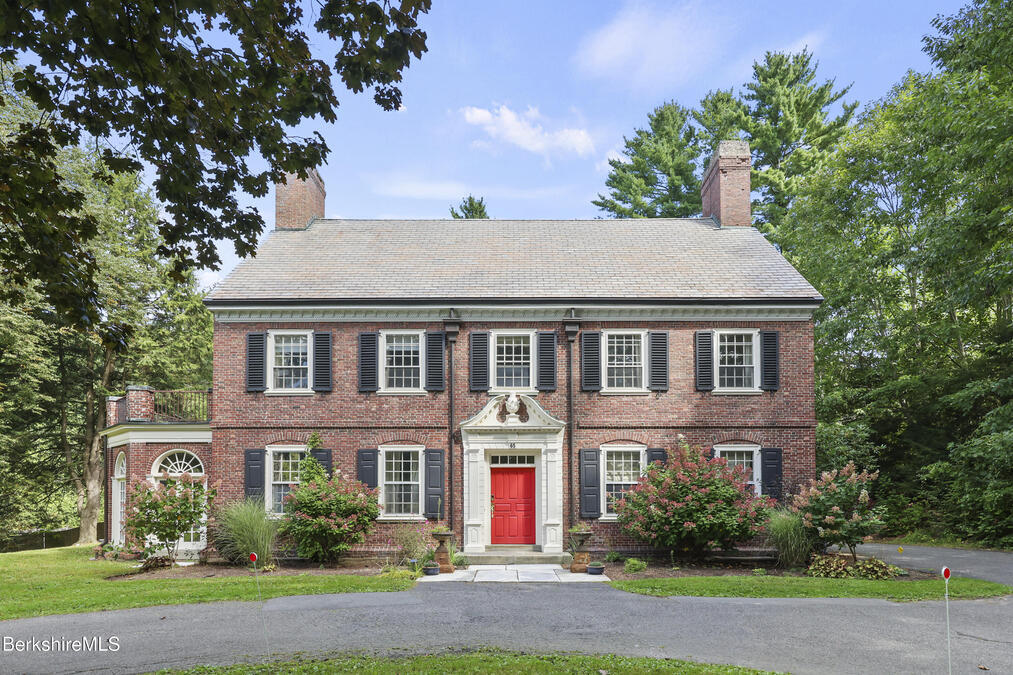
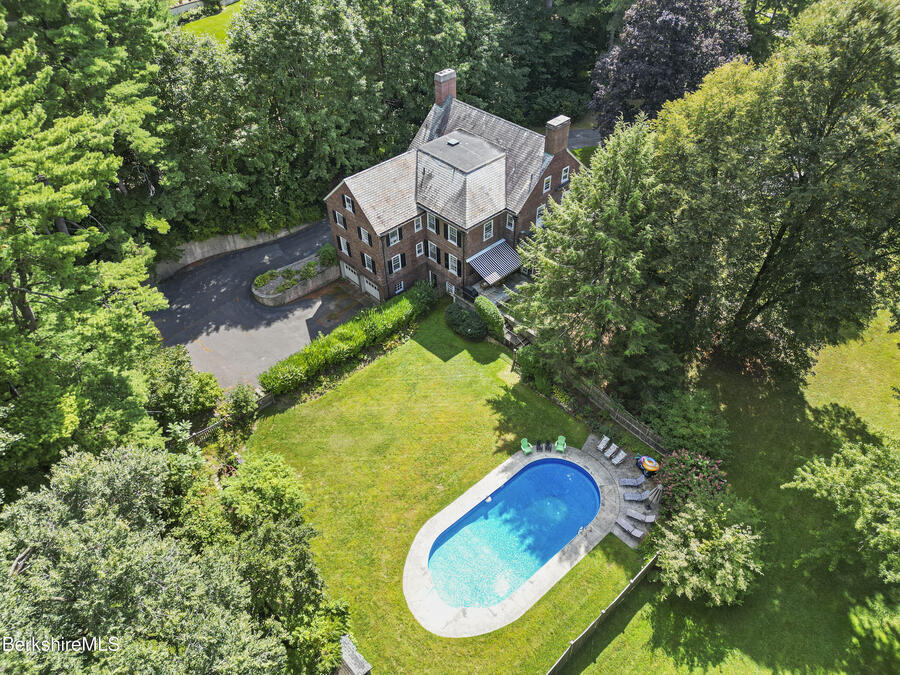
This 1930 home has five bedrooms and five bathrooms. It is 4,948 square feet with more than two acres.
The brick home includes a heated in-ground pool, a two-car basement garage, and comes fully furnished.
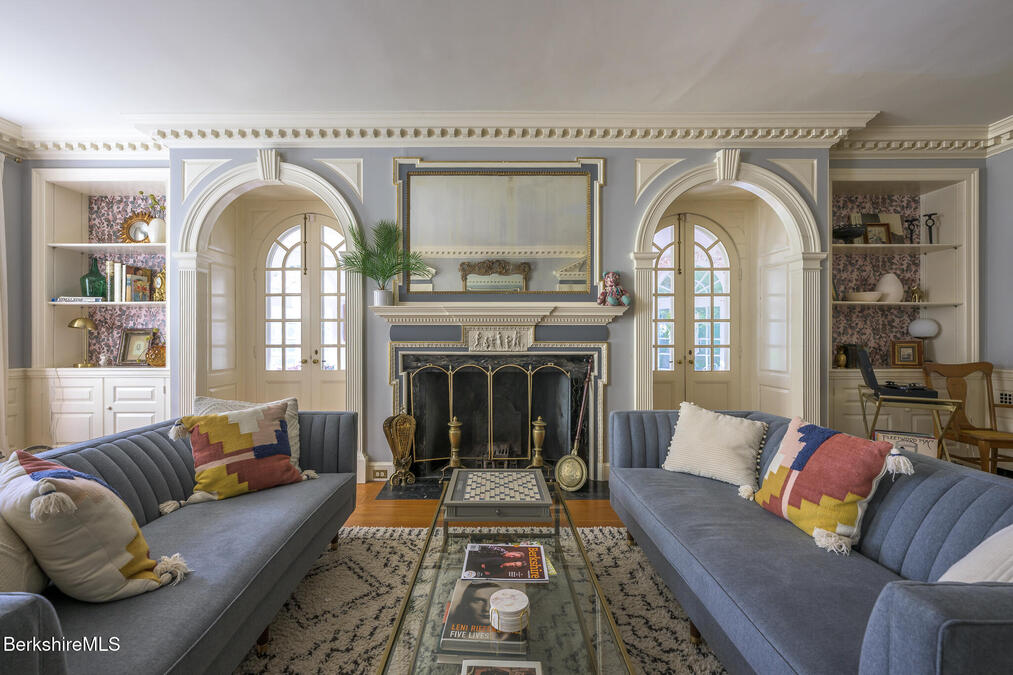
The home was designed by Henry Seaver, who designed many local buildings including the Berkshire Museum, Lenox Town Hall, and Pittsfield High School. Many of the original and replica 18th-century details including the woodwork, mantels, and wainscoting have been preserved.
The house is on the market for $1,350,000.
We spoke to Conor Meehan from Stonehouse Properties LLC, which is listing the property.
What do you think makes this property stand out in the current market?
What sets this home apart is the rare combination of architectural pedigree, preserved history, and true turnkey living. Designed by notable architect Henry Seaver in 1930, it carries the scale, craftsmanship, and proportions you'd expect from that era, but it's been thoughtfully updated for modern life and is offered fully furnished. Its proximity to downtown Pittsfield, Tanglewood and Lenox adds a lifestyle component that's increasingly hard to find.
Do you know any unique stories about this home or its history?
The home was originally built for sisters Elizabeth Campbell and Grace Campbell Van Norden, and for decades it served as a gathering place for Pittsfield's social and civic life, hosting events and community meetings. One of the most fascinating details is that the house incorporates architectural elements from two of Pittsfield's earliest homes — 18th-century mantels, doors, and millwork that were carefully preserved and integrated into the design. It gives the home a layered sense of history that you can actually feel as you move through it.
What kind of buyer do you see this home being perfect for?
This is a great fit for someone who appreciates historic architecture but doesn't want to take on a project. It also works beautifully for a buyer looking for a Berkshire retreat with space to host — whether that's extended family, guests, or even a rental component. With its layout and multiple bedroom suites, it lends itself well to multi-generational living or a luxury second home with income potential.
What would you say to a buyer trying to imagine their life in this space?
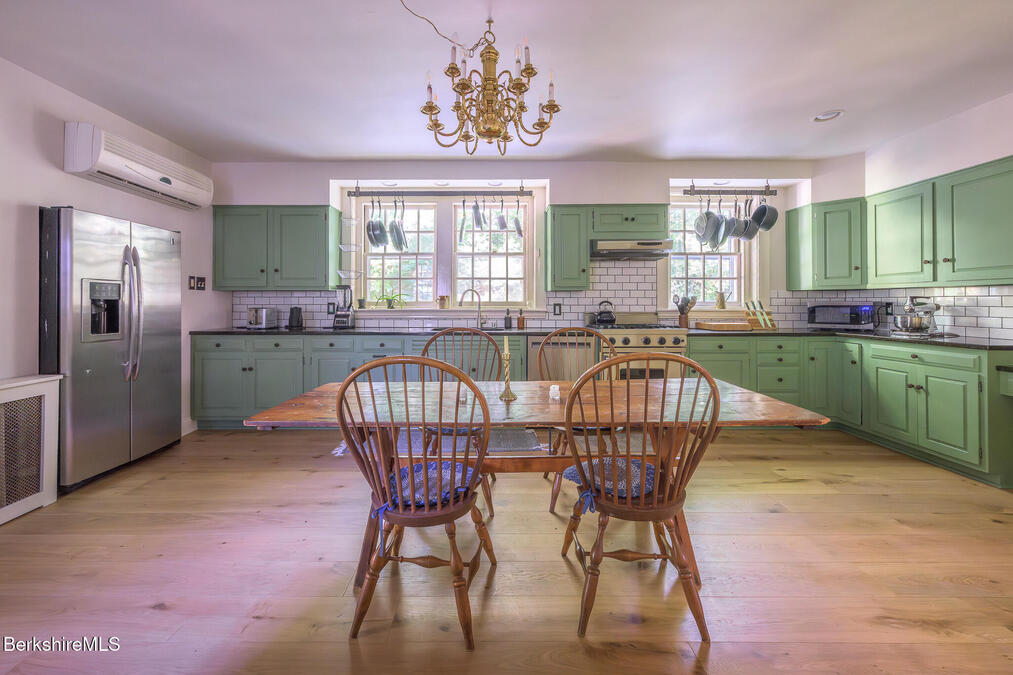
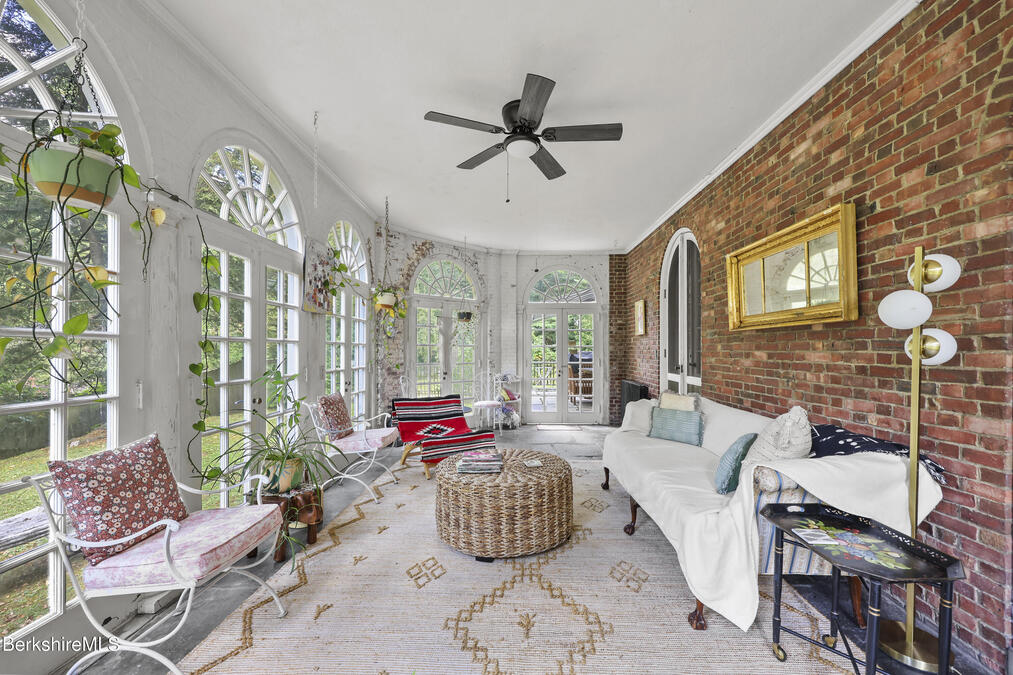
It's easy to picture long summer evenings with friends spilling from the kitchen out to the patio and pool, or quieter mornings in the sunroom with coffee and a book. The house has a natural flow for both entertaining and everyday living, and its proximity to culture, dining, and the outdoors means there's always something to step out and enjoy — or you can simply stay in and feel completely at home.
Are there any recent renovations or standout design features?
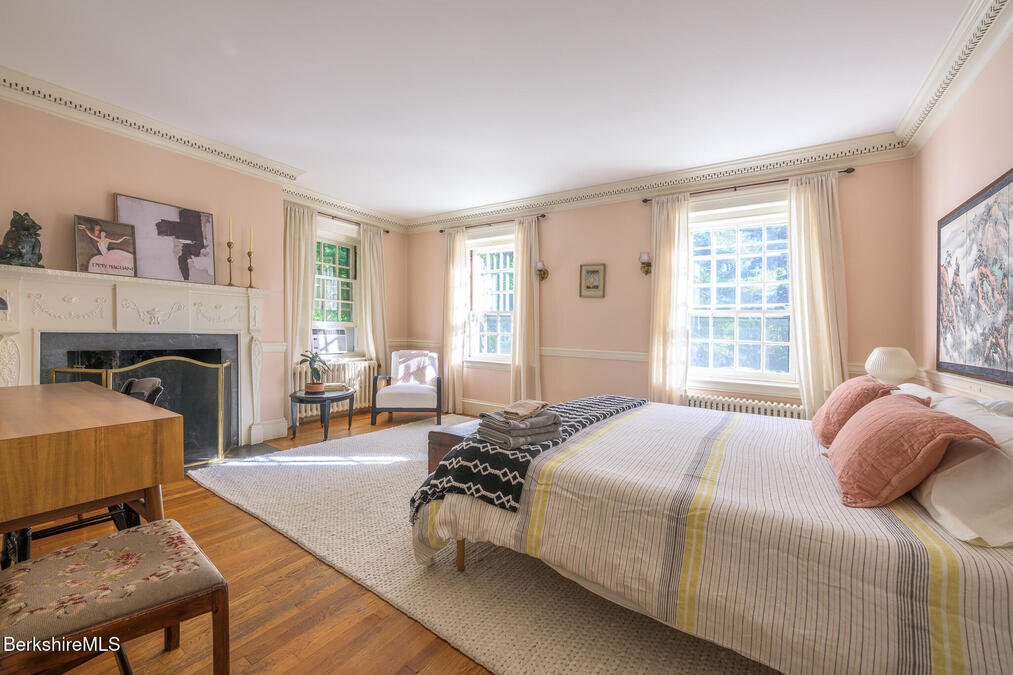
What stands out most is how beautifully the home balances preservation and modern comfort — original millwork, fireplaces, and proportions alongside thoughtful updates, including a new high-efficiency heating system. The kitchen, butler's pantry, and multiple living spaces make it highly functional, and the curated furnishings allow for immediate enjoyment.
What was your first impression when you walked into this home?
The sense of scale and warmth right away. There's a graciousness to the rooms — the ceiling heights, the moldings, the way light moves through the space — that immediately gives you the feeling that this is a home that has been both well-designed and well cared for over time.
How would you describe the feel or atmosphere of this home?
It has a quiet elegance to it — refined but very livable. There's a strong connection to its history, but it doesn't feel formal or untouchable. Instead, it feels welcoming, layered, and comfortable in a way that invites people to gather, which is exactly what it's been doing for nearly a century.
You can find out more about this house on its listing here.
*Front Porch Feature brings you an exclusive to some of the houses listed on our real estate page every week. Here we take a bit of a deeper dive into a certain house for sale and ask questions so you don't have to.

Tags: front porch, Real Estate,