Williamstown Board of Health Backs Plastic Bag Amendment, Biosolids Bylaw
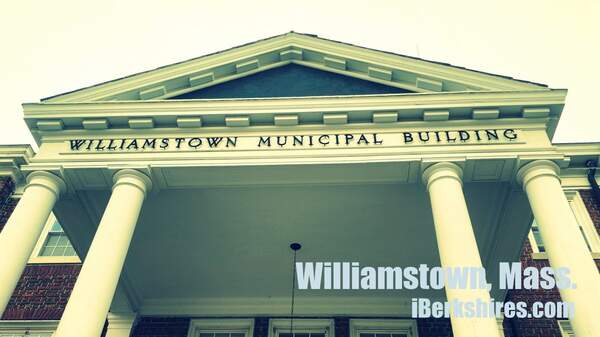
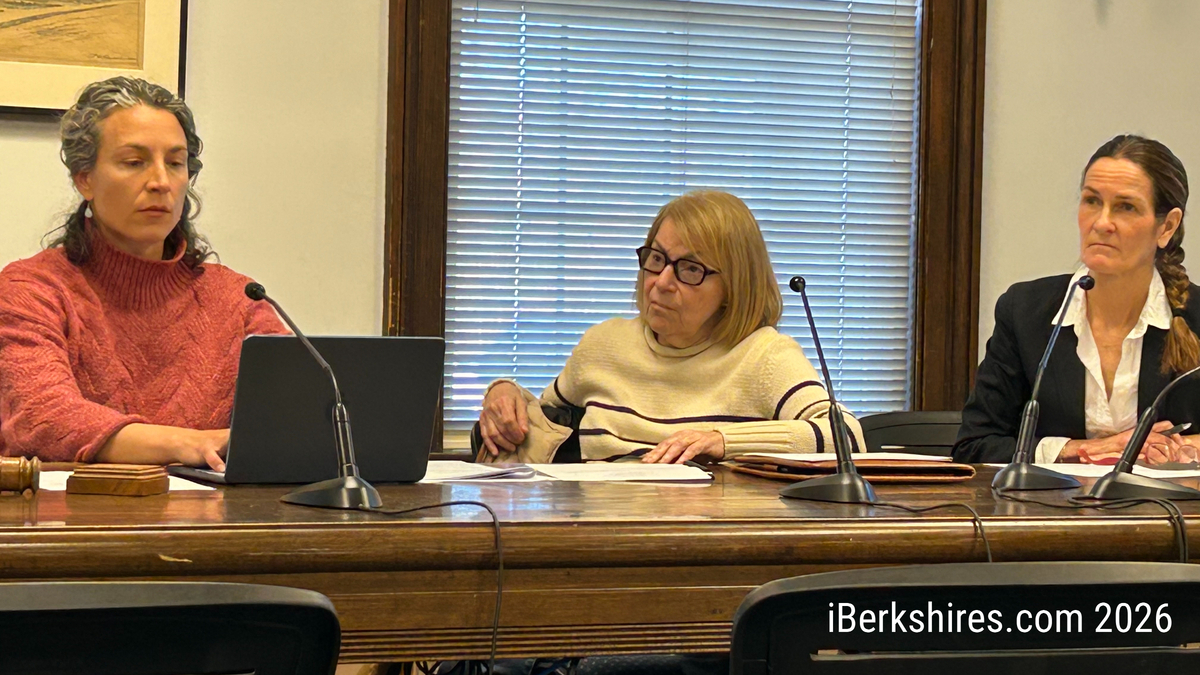
WILLIAMSTOWN, Mass. — The Board of Health on Monday unanimously recommended the annual town meeting approve articles that would amend the town's existing plastic bag ordinance and ban the land application of materials derived from sewage sludge.
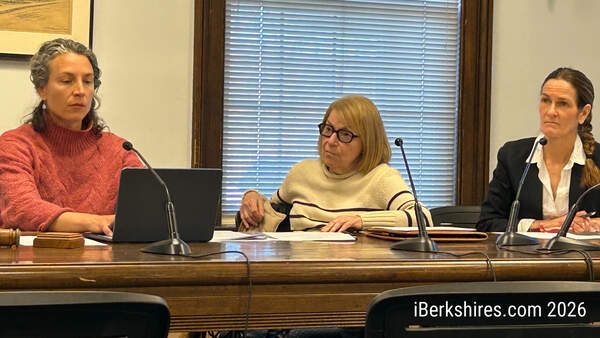
Stephanie Boyd, author of Article 19 on the town meeting warrant to prevent the use of biosolids as soil amendments, and Susan Abrams, author of Article 20 on the reduction of single-use bags, each addressed the board at its monthly meeting.
The biosolid and plastic bag bylaws are two of three that were placed on the warrant for the May 19 meeting by way of citizens' petition.
Earlier this month, the Select Board voted to recommend town meeting approve two of the three: the biosolids bylaw and one that would ban the use of second generation anticoagulant rodenticides (SGARs). But the elected board declined to recommend passage of the article that seeks to amend a 2015 bylaw on single-use bags, finding that it needed more time to evaluate the complicated article.
On Monday, Abrams acknowledged its lack of clarity.
"The way I wrote the article was very confusing," Abrams said. "What this petition actually is is a very small change to the town's existing plastic bag regulation passed in 2015. When towns were doing that, there were a lot of loopholes and exceptions because people were nervous about the idea of doing this.
"Ten years later, we've discovered that, A) people are doing well with it, the communities are thriving and, in fact, some of the loopholes, as discovered by [the California Public Interest Research Group] in a 2024 study, one loophole which allows thicker plastic bags as considered 'reusable' bag — they're not getting reused and, in fact, are increasing the amount of plastic waste."
Abrams' proposed bylaw amendment would close that loophole in Williamstown, striking much of the language from the 2015 bylaw language citing criteria from the American Society for Testing and Materials on "compostable plastic bags" and "marine degradable bags."
If passed by May's meeting (and approved by the Attorney General's Office) the revised bylaw would simply limit retail establishments to providing a "recycled paper bag," a "reusable carryout bag" or a "reusable or recyclable paper product bag."
"Product bags" are those bags provided by retailers to allow customers to deliver loose items (fruit in a grocery store or small hardware items in a hardware store, for example) from the display area to the point of sale.
In an email responding to a question from iBerkshires.com after Monday's meeting, Abrams said her advocacy in support of the revised bag ordinance already is having an impact. Wild Oats, a cooperative grocer in town, already has switched to glassine, paper bags in its spice area after her conversations with the store's general manager, who, Abrams said, supports the bylaw revision.
Abrams said she had not had a similar conversation with the town's two hardware stores.
"But I doubt it will be a problem since, in my experience, hardware stores often provide paper product bags because heavy brown paper is better for holding nails and other pointy loose parts," Abrams wrote in her email.
Before the Board of Health on Monday morning, Abrams characterized her bylaw amendment proposal as a "small, incremental change" that would have no effect on most businesses in town that already comply with the amendment's provisions.
But she indicated that making the change is important, not only because it would close loopholes in the 11-year-old bylaw but also because it would make a statement on plastics.
"The goal of the plastic bag legislation, in general, is to get people to bring their own bags and reduce the demand for plastics," Abrams told the Board of Health. "It's really about reducing the production of plastics, which is really where so much of the damage to the world is through the production. ... The greenhouse gas emissions from plastics is four times that of the entire global aviation sector. I don't think people realize the damage plastics are doing."
The biosolids bylaw is more directly linked to an imminent public health threat — preventing the spread of per- and polyfuoroalkyl substances (PFAS) and other contaminants in the food supply and water table.
Boyd told the board that no farms in town currently use compost containing sewage sludge, but having a bylaw in place would prevent that practice in the future.
"There have been [farms that did] in the past, but at the moment, there aren't," Boyd said. "We want to make sure that continues."
She noted that the use of sludge as a soil amendment already is banned in Maine and there has been (to date unsuccessful) legislation to institute such a ban in Massachusetts.
Chair Devan Bartels asked Boyd about a concern raised by members of the Select Board about the potential for consumers unwittingly buying and applying compost containing biosolids in backyard gardens.
Boyd said the main concern of the proposed bylaw is large-scale application on farms, but she hopes that it also educates consumers.
"It's not our intention that we'd be out investigating everyone's home," Boyd said. "But we're hoping to raise awareness. … I think we're seeing fewer and fewer products with this type of material in it because of greater awareness."
In other business on Monday, board member Wendy McWeeny told her colleagues that a group of Williams College students working on a public health needs assessment project for the board is close to finalizing a survey for the board to put to town residents.
"They have done a lot of desktop research in terms of other needs assessments in other communities," McWeeny said. "They have formulated almost three pages worth of survey questions based on the analysis they've done so far. The hope is to find a student who could help implement the survey itself this summer or fall."
• The board also discussed implementation of the smoking ban in apartments that town meeting passed last May.
Bartels noted that no complaint of a violation of the bylaw has been made to Town Hall and outlined how she thinks such a complaint should be addressed.
"I think it's reasonable, when a complaint is made, within the constraints of [Health Inspector Ruth Russell's] schedule, that she get there, and if she can smell smoke outside of [an apartment], that is enough for a citation," Bartels said. "That citation would go to the owner of the dwelling.
"Let's say someone says, 'No, no, no, you've got the wrong person.' That would trigger an inquiry from [Russell] with a request for access to that dwelling … so you're being welcomed in. To me, that's very appropriate. We want to achieve the goal of the bylaw with as little impact to the rights and privacy of individuals as possible."
Will Raymond, the author of the 2025 town meeting article that created the bylaw, challenged Bartels' approach, questioning what "right of privacy" she was citing. Raymond argued that the health inspector should knock on the door of the suspected offender as a first step in the process.
"The Board of Health has the right to knock on the door and demand compliance, under state law," Raymond said.
McWeeny agreed with Bartels that the enforcement should be less invasive.
"So much of public health needs to be grounded in trust," McWeeny said. "It feels important to me that we would try to enact this with a community approach that recognizes the importance of people's privacy. There are many other reasons they might have to fear public officials coming into their home. … We're all trying to create a better environment for all our neighbors."
Bartels told Raymond she is striving for a balanced approach that limits the repercussions of enforcement. But she indicated that enforcement strategies could evolve.
"I'd like to see this process play out with a complaint, and I'd like to see how that goes," Bartels said. "I'd like to see how this plays out before we have to think about altering the approach."
Finally, the board asked Russell to come back at its May 26 meeting with a final draft of the nitrous oxide bylaw for a vote by the board.
Tags: bag ban, plastics, smoking regulations,