Williams College Lone Suitor for Development of Water Street Lot
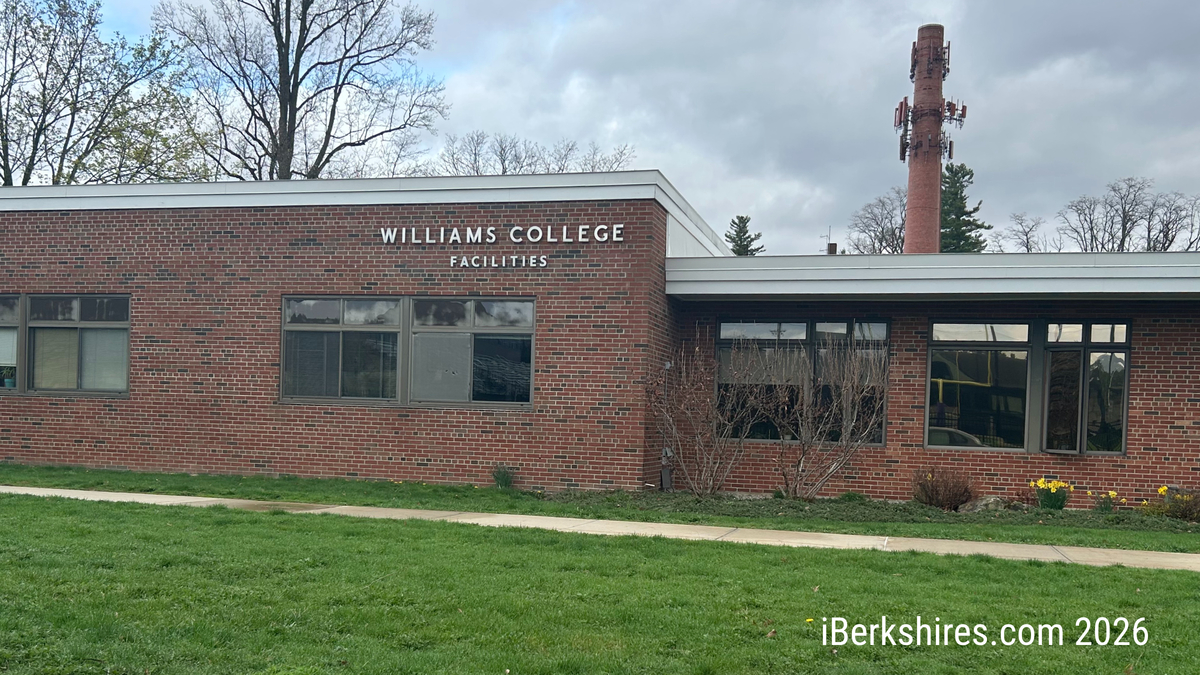
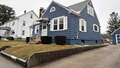
Williams College hopes to replace the current Facilities Services building on Latham Street and use that space for a new athletics complex.
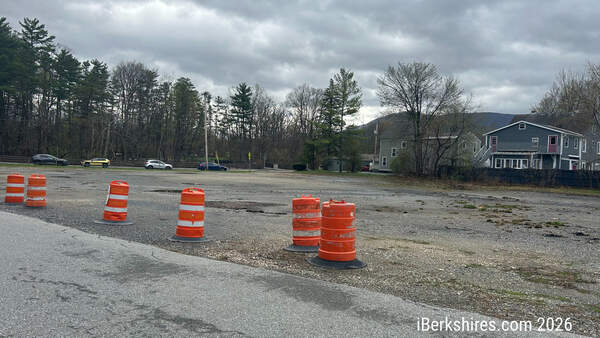
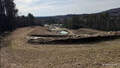
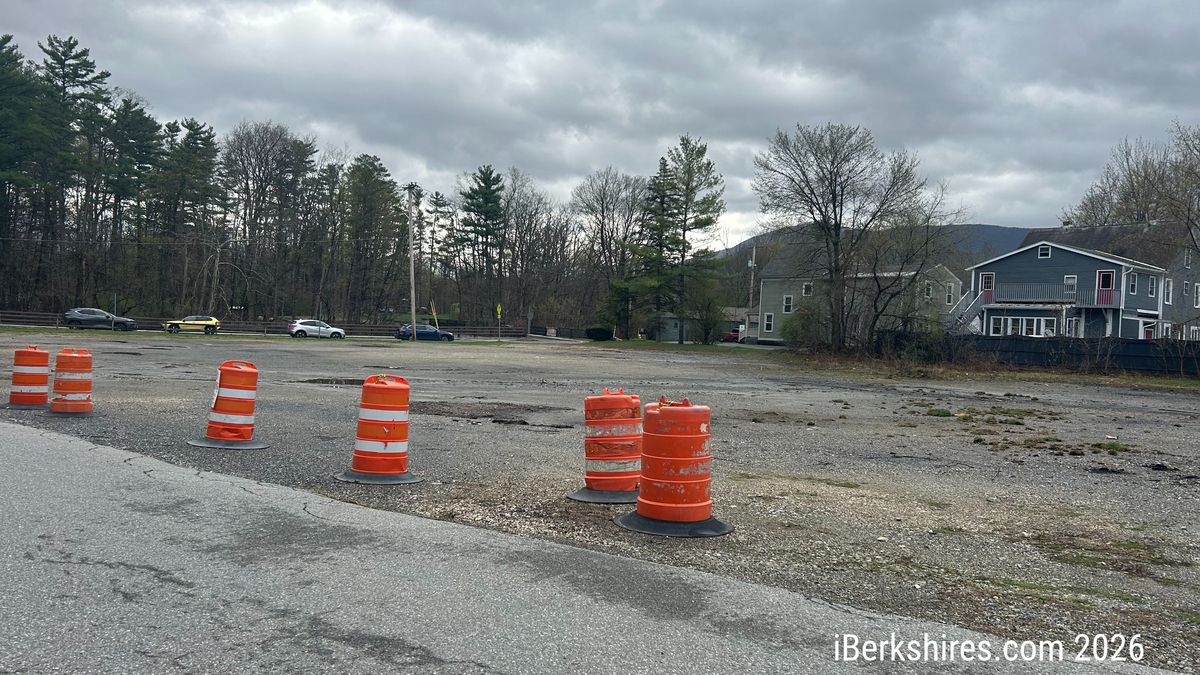
The college was the lone respondent to the town's request for proposals to purchase and develop 59 Water St., a dirt lot known around town as the "old town garage site." This was first reported Wednesday by Greylock News.
If successful, the college plans to use the former town garage property for the school's Facilities Services building. Or it could be turned back into a parking lot.
Williams' offer includes a $500,000 upfront payment and a 10-year agreement to make $50,000 annual donations to the Mount Greylock Regional School District according to the proposal unsealed on Wednesday afternoon.
If it closes the deal, the college said it will explore development of a three- to four-story Facilities Services building with "a structured parking facility providing approximately 170 spaces."
"[I]f site constraints impact our ability to develop both structured parking and the Facilities Services building, our backup proposal is to develop the parking structure with approximately 170 spaces, also with capacity to support institutional and public needs," the college's proposal reads.
The college's current Facilities property at 60 Latham St. has an assessed value — for the .42-acre lot only — of $113,000 and an annual property tax bill of $1,606, according to the town's website.
The existing Facilities building itself is exempt from property taxes, an exemption that likely would apply to the planned 30,000-square foot building the college wants to build on Water Street.
For the sake of comparison, the college's book store on Spring Street, at 14,257 square feet, has an assessed value of just more than $2 million and an annual tax bill of $16,323.
Williams' proposal notes that its effective $1 million offer ($500,000 plus $500,000 in $50,000 increments over 10 years) is well over the $350,000 figure it received from an independent appraiser. But the town signaled in its RFP that it was willing to take below market value for the right development plan.
"The Select Board, in its sole discretion, shall select the proposal which is determined to be the most advantageous proposal from a responsible and responsive proposer, taking into consideration price and the evaluation criteria set forth in this RFP," reads the RFP's penultimate paragraph. "The Select Board shall not be required to select the proposal offering the highest price."
The demolition of the existing Facilities building would open space for a new athletics and fitness complex, long discussed as a need for the liberal arts college.
The "Athletics and Wellbeing Complex" would include a new ice rink, pool, gymnasium and squash courts, according to the proposal.
"Within this broader framework, the site at 59 Water Street functions as a critical relocation and replacement site for the displaced Facilities Services building and parking," according to Williams' proposal.
The demand for an up-to-date athletic facility was exacerbated by the loss of Williams' field house, which used to be located across a parking lot from Facilities.
Meanwhile, the town garage site long has been a topic of discussion at Town Hall.
In 2014, the town had a proposal in hand to develop affordable housing on the Water Street lot. The then Affordable Housing Committee even went so far as to do remediation work on contaminated soil on the property.
The Select Board turned down a proposal to build housing on both 59 Water St. and 330 Cole Ave., choosing to accept a competing offer for the latter to renovate the mill and build town home-style apartments.
That decision prompted several members of the housing committee to resign in protest.
In the intervening 12 years, the Water Street lot stayed vacant, continuing to be used as an "informal parking lot" until Town Manager Robert Menicocci decided to end that use two years ago.
The lot frequently comes up in town committee discussions as a potential development site that would add to the tax base and energize the Water Street business district.
The town's RFP issued this winter followed that theme, reading, in part:
"A Highly Advantageous rating will be given to proposals that emphasize the creation of commercial space and multi-family housing that will add to and improve the vibrancy of Water Street and the Village Business district and the Town's property tax base."
The Water Street site is zoned Village Business, a zoning district that includes nearby Spring Street.
Williams College' proposal argues that the relocation of its Facilities building would lead to economic development in several ways:
"With the construction of modern, regulation-sized venues, the new athletics complex will have the potential to host both larger and additional athletic events and conference meets, many of which occur during off-peak tourist seasons."
"The College aims to enhance the pedestrian linkages between [Water Street and Spring Street], improving walkability between retail centers."
And, "Parking is a central component of the College's proposal, and that parking will directly support downtown functionality, including businesses on Water Street."
According to the town's RFP, the Select Board will decide whether the proposal is "advantageous to the town."
As that process plays out, another municipally-owned Water Street property may be going on the market this year. The Prudential Committee, which oversees the Williamstown Fire District, plans to ask members of May's annual district meeting to authorize the committee to put out an RFP for the former fire station site at 34 Water St.
Tags: RFP, Williams College,