Onota Lake Comes Alive for Annual Trout Stocking Event
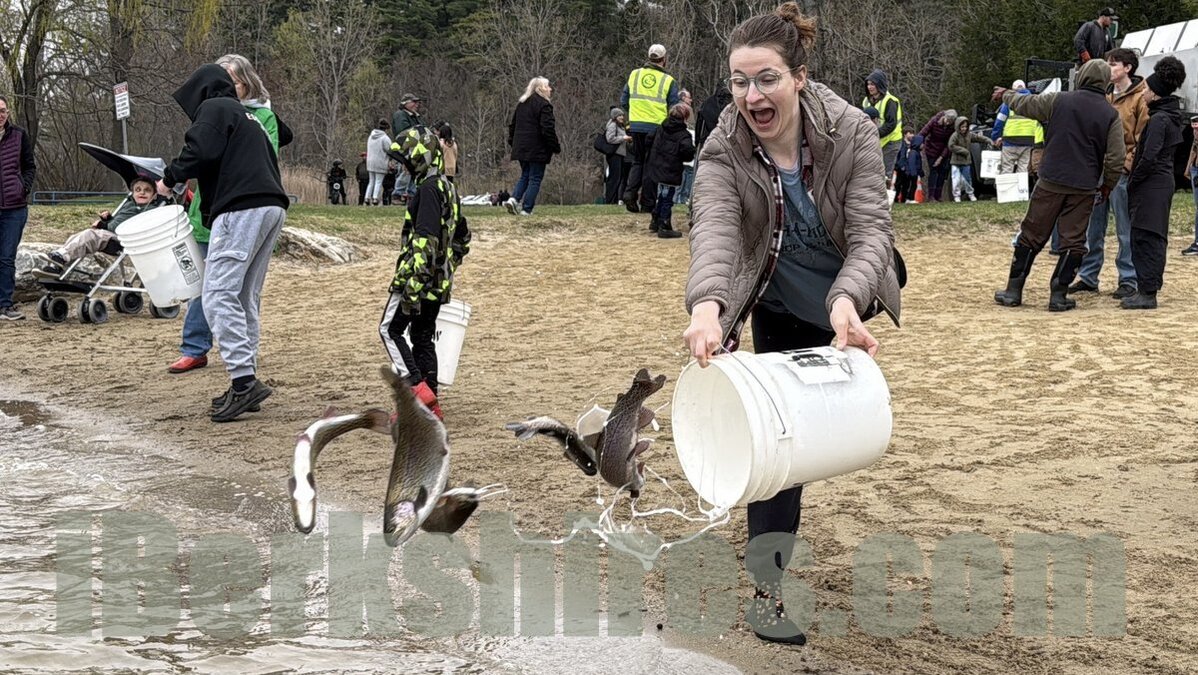
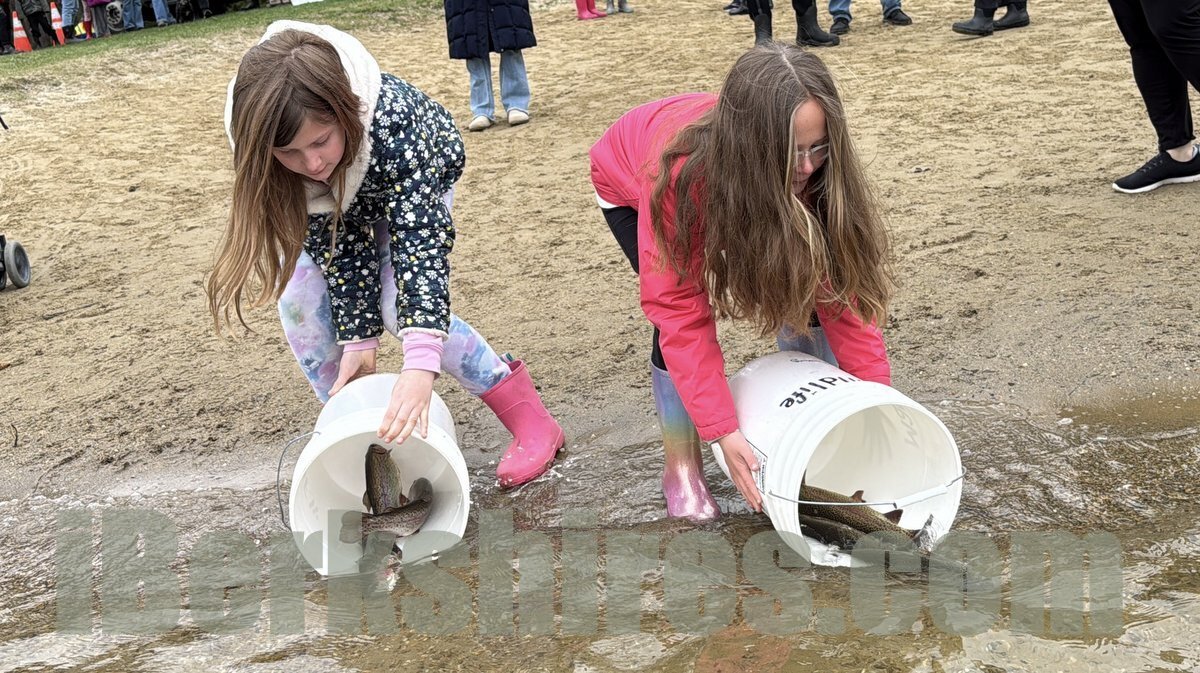
Some 800 adult rainbow trout were released in the lake for fishermen. Each spring, MassWildlife stocks 350 of the state's waterways. See more photos here.
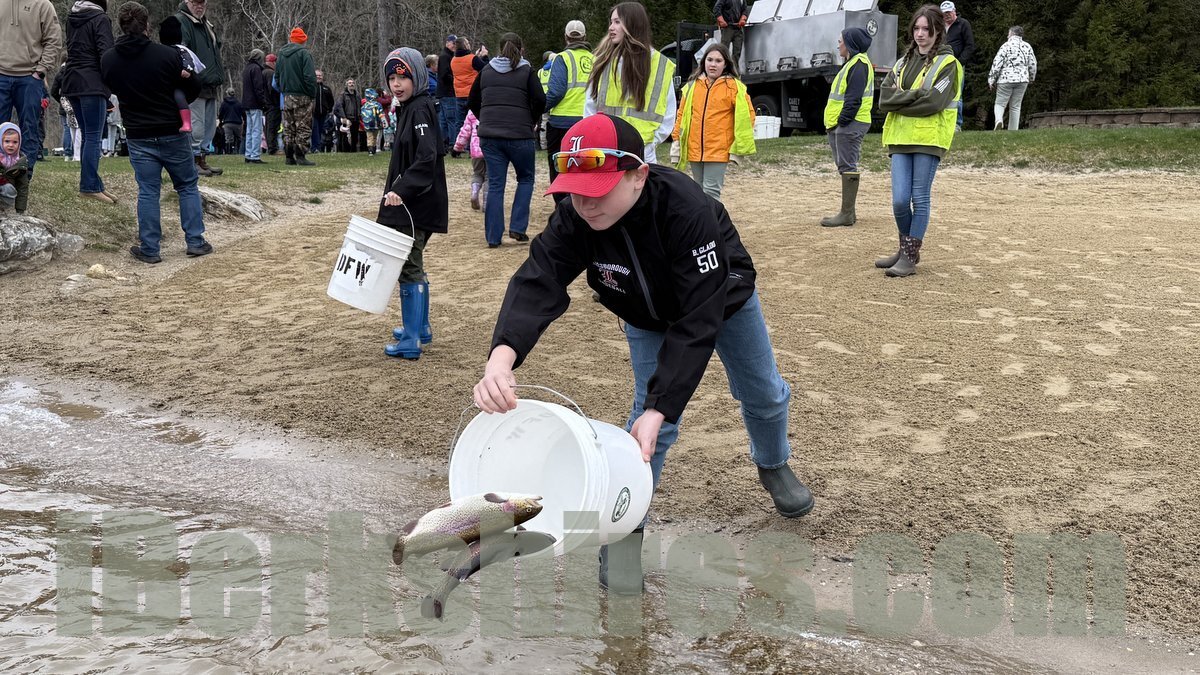
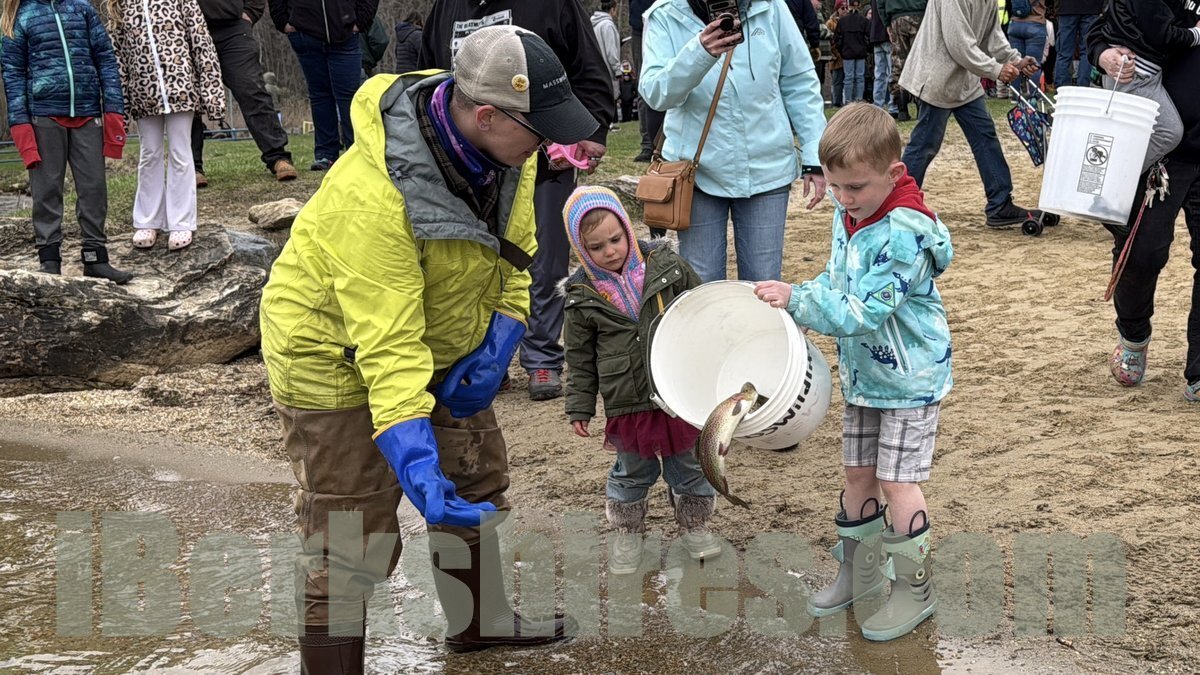
This is one of the district's most popular stocking events, as more than 150 community members release about 800 rainbow trout into the lake.
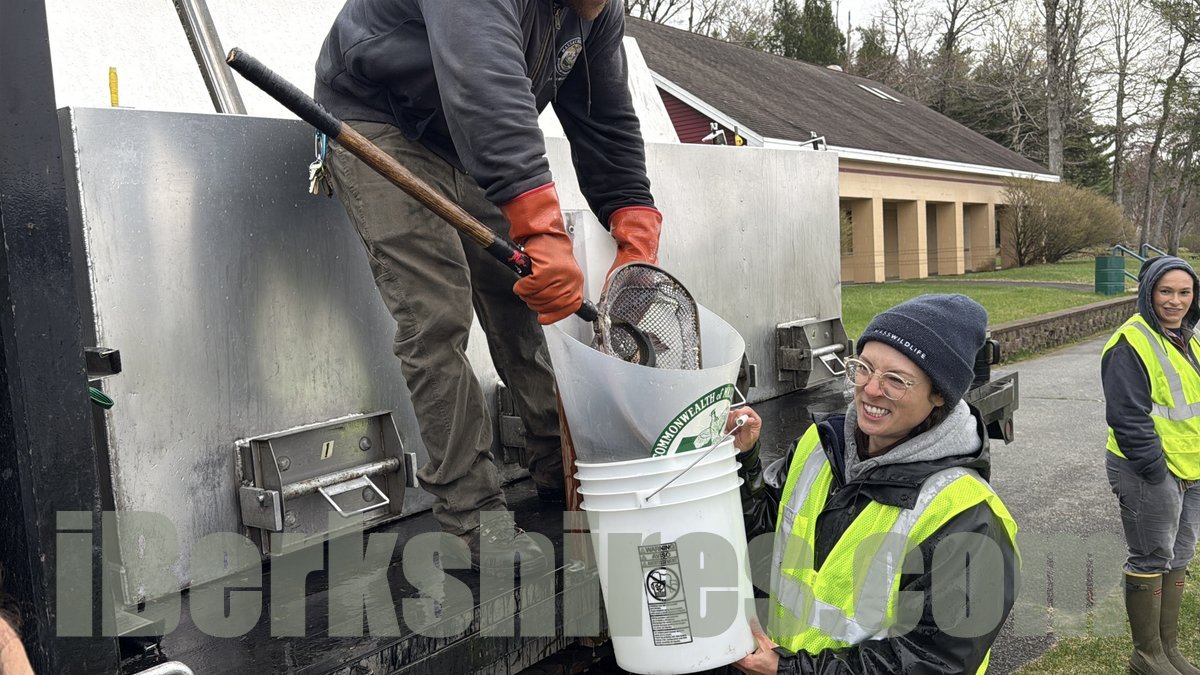
The fish, hailing from the Division of Fisheries and Wildlife's McLaughlin Hatchery in Belchertown, will provide angling opportunities.
"This lake will get a couple thousand. So, this lake being one of our deepest, largest and most popular, it does get a lot of fish throughout the season," Leanna Fontaine, an aquatic biologist for Masswildlife's Western District, said last week.
The 14-plus-inch trout are grade-eating so fishers can decide whether to catch and release or take the trout home and grill them up.
MassWildlife stocks trout twice a year: in the spring from mid- to late March through Memorial Day and for two weeks in the fall at the end of September and early October. It will stock 350 waterbodies statewide with four types of trout: brook, brown, rainbow, and tiger.
The event not only promotes fishing opportunities but also connects people with other programs MassWildlife offers for natural resource management, preservation and conservation, Fontaine said.
"This helps to get people more involved with the environment, with our resources, and also helping with some of the management, too," she said.
MassWildlife is largely funded by anglers and hunters through license sales, along with federal grants that support conservation efforts such as habitat management, rare species protection, and water quality projects.
Stocking helps attract new participants to the sport while enhancing opportunities for those already involved to enjoy available resources, Fontaine said.
Introducing the trout to the environment has little impact to the predation or natural populations that are already there, she said.
"We're not doing it as a restoration action. We're putting them in as adult fish. They're usually either fished out or will last throughout the season, and sometimes they'll make it through to the next season, but typically not," Fontaine said.
The event may inspire people to pursue careers in the field, serving as a starting point for learning more about the environment, she said.
"I have a few friends here that were in line with me, and what happened was so incredible. We really did a lot of things, and that's how it really went for us," said 9-year-old, Eleanor Pious.
Four-year-old Lilly Siegel was excited she was able to pet one of the fish before it was tossed in the water. The event gave her a glimpse into the work her father, Jacob Morris-Siegel, has been doing for 20 years in land stewardship.
Climate change is affecting natural resources through issues like droughts and wildfires, making it essential for people to stay connected to the environment and understand their impact, Fontaine said.
"It's really important for people to be connected to their landscapes and to know that their actions can have an impact on it," she said.
"As well as being able to foster future conservationists and environmentalists, to be able to come out and to see what is changing with the landscape, and to give some more attention to it, and to know that they can actually make a difference.
"It's such a technologically driven age where everybody is on a phone– we tend to forget what's going on around us and noticing life around us and nature around us, so it kind of helps to shift that focus a little bit."
The trout are raised in concrete raceways and have never experienced open water, so tossing them in triggers a harmless stimulus response that wakes them up and encourages them to move freely and adapt to their new environment, she said.
Tags: MassWildlife, onota, trout,