Lanesborough Officials Take Road District Dissolution Off Warrant
LANESBOROUGH, Mass. — The Select Board has removed a town meeting warrant article regarding the dissolution of the Baker Hill Road District.
JMJ Holdings development consultant Tim Grogan spoke in public comment saying the Berkshire Mall owner is currently has purchase-and-sale agreement for the mall.
Back in February, the Select Board settled a tax dispute with JMJ Holdings by agreeing to move forward in dissolving the district if the company paid $1.1 million to the town. JMJ Holdings had to provide a signed development-and-purchase agreement 30 days before the town meeting.
JMJ holdings did not submit a payment to be made by May 9. Because of that, the Select Board voted to take the article of the warrant to be voted at the annual town meeting.
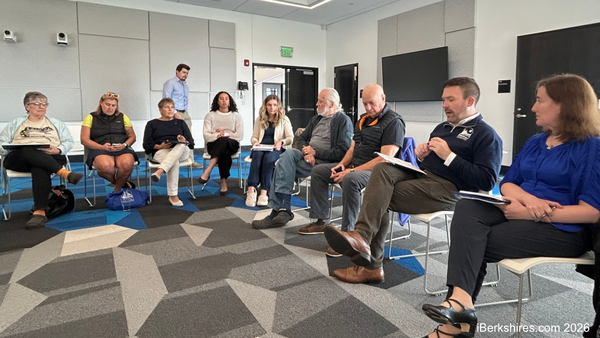
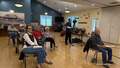
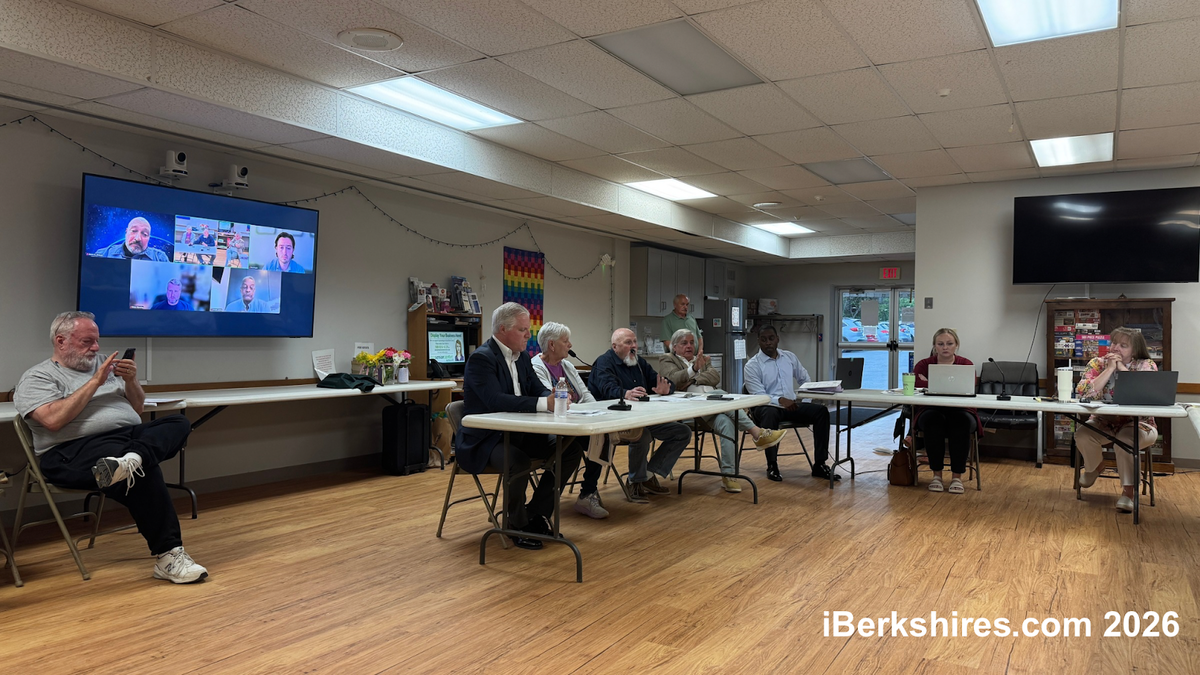
Meanwhile, the Baker Hill Road District presented a slideshow defending the district and explaining what it does.
The district currently provides a non-resident-funded revenue stream of around $500,000 per year. These funds help pay for police cars and officer salaries, dump trucks, fire trucks, and more for the town.
"Dissolution would mean the district's three commercial property owners would no longer have to pay for upkeep of the Route Seven/Eight connector road. As a result, the BHRD annual contribution of more than $500,000 to Lanesborough would disappear permanently, since the services and maintenance costs associated with the Route Seven and Eight connector road would still remain," said Tom Caraccioli, PR consultant with AH&M Inc. "Lanesborough would have to absorb these costs and continue to provide emergency services to the mall and Target. The financial burden for these remaining expenses would then fall on Lanesborough taxpayers through higher taxes or the reduction of other important town services."
The proposal with JMJ would affect the town in a negative way Caraccioli claimed.
"JMJ is proposing a one-time payment of $1.1 million to Lanesborough in exchange, JMJ would never pay BHRD taxes again. The decision to dissolve the BHRD by accepting this proposed $1.1 million would be a permanent choice that would have irreversible consequences," he said. "There will be no official system in place to cover recurring costs once the money from this single payment is spent. Therefore, the proposed one-time payment is not a long-term solution for the town of Lanesborough."
JMJ's dispute was that the Berkshire Mall no longer exists as a functioning entity and it should not be on the hook for protection and maintenance that had been based on the mall's operation in its heyday. The company is seeking to redevelop the site as senior housing and town officials were asking the state to take over the Connector Road.
District officials said it's not guaranteed that the state would take over the road linking Routes 7 and 8, built to service the mall back in the '80s, and that the state Department of Transportation had historically discouraged the town from asking. Even if it happened, it could take three to five years, during which no BHRD funds would be collected if the district is dissolved. The state would not replace the revenue they support, and they argued the state is facing its own budget issues making it unlikely they would want to take over.
The road district was created by an act of the Legislature and would require another act to dissolve it. The town meeting article asked for voter support for a home-rule petition to start that process.
After the presentation, it was asked what the current financial status of the BHRD, given that JMJ hasn’t paid in a long time and if the district actually has the money or if it is dependent on the mall sale.
Mark Siegars, attorney for BHRD, reminded the room that the mall is under a purchase and sale agreement and if the sale closes, the district expects to receive more than a million dollars because of the lawsuit and lien, but does not have that cash yet. If the sale does not go through, BHRD will take the mall and sell it. The district still gets payments from Target, which is separate from the mall.
There were also some questions on the district's history, with Select Board member Jason Breault asking if the mall did not have a high tax rate from the district, would it still be solvent. The exchange became heated between Siegars and BHRD Chair Bill Prendergast.
Joseph Jones with JMJ Holdings questioned the amount of money Siegers was making in his role as attorney and said redevelopment would be in the town's best interest.
"I don't know why you keep talking and not understanding that this town is going to receive far more money from redevelopment than the Baker Hill Road District can do," he said.
Siegars ticked off redevelopment attempts that never worked out.
"Since 2013, the Baker Road District has interviewed and held meetings with somebody from the Select Board on at least 10 proposed redevelopment schemes at the mall," he said. "Somebody came in three years before JMJ to buy Sears to build a cannabis grow facility. They wouldn't sell the mall to them. The carousel came in because they wanted to relocate to the mall, and the mall wouldn't sell to them. We were approached by an AI data center within the past two years. They quickly realized that they would never be able to get approval from Target. We've had the National Fire Truck Museum wanting to relocate their headquarters from Arizona to Lanesborough. The mall wouldn't talk to them."
When asked, Siegars confirmed that Target has some influence on redevelopment.
"We're not here to argue between JMJ and Baker Hill Road District, because we'd have to bring sleeping bags and stay overnight, and I'm not willing to do that. We received a presentation by Baker Hill Road District. We have ongoing talks with JMJ, and we'll just have to, you know, we've listened to both sides, and that's where we have to leave it," said Chair Deborah Maynard.
In other news, Fire Chief Jeff DeChaine held a presentation on the need to replace the 1996 fire truck, listed on the warrant articles for a total $813,366, which includes a $100,000 contingency cost on whether a 2026 model-year chassis can be secured before new emissions standards in 2027. If they get the 2026 chassis, that contingency likely won’t be needed.
He said there is about $380,000 in a fire truck stabilization account and because the truck takes about three years to build, the town will have three town meetings to finish setting aside the remaining money, meaning they will have time to add more into the stabilization account before it is fully purchased. By law, they must authorize the full "worst case" borrow amount in order to sign a contract, even if the plan is to fund most of it from stabilization and future transfers instead of borrowing.
He said the warrant articles were a little confusing as there is a $433,366 borrowing request on the warrant article, which might not be the case. As the next warrant article is to move $225,000 from free cash into the Fire Truck Stabilization Fund, DeChaine said it was a bit confusing.
The board recommended to move the $225,000 before the borrowing article, changing the stabilization number. If the $225,000 is not voted on, then they will amend the next article's number on the floor, subtracting the $225,000. This shows the borrowing number significantly lower.
New Article 12: Transfer $225,000 from free cash into the Fire Truck Stabilization Fund.
New Article 13: Transfer $605,000 from the Fire Truck Stabilization Fund toward the fire engine purchase.
New Article 14: Authorize the treasurer to borrow up to $208,366, if necessary, to complete the fire truck funding.
Police Chief Rob Derksen also briefly spoke about his five cruisers and why he is asking for a new one. His aim is to replace one vehicle every other year, meaning the oldest vehicle gets replaced about every 10 years. He stressed that if they delay this year, they may have to double up in a future year to get back on schedule, and that paying later usually costs more.
Tags: Berkshire Mall, road district,