Season's First West Nile-Positive Mosquitoes Found in Clarksburg
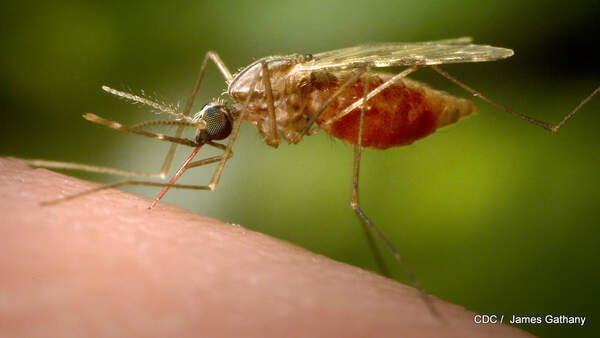
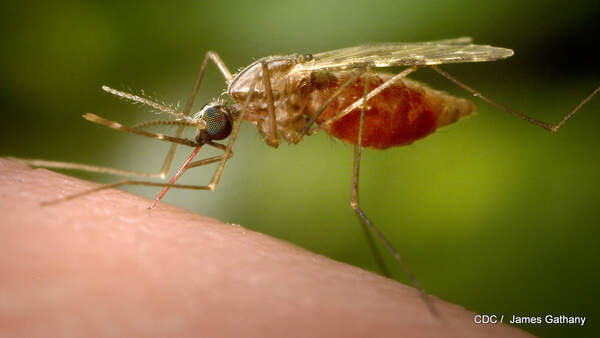
CLARKSBURG, Mass.— Northern Berkshire County saw the first West Nile virus-infected mosquitoes of the season in Massachusetts.
The State Public Health Laboratory confirmed WNV in a mosquito sample collected in Clarksburg on June 16. On Monday, the public was notified of the detection on the town’s website.
"Recommended public health measures include raising awareness among residents, reminding residents to use mosquito repellents with an EPA-registered active ingredient and observing peak mosquito activity at dusk and dawn," a notice reads.
"MDPH will continue enhanced surveillance activities in this region."
According to a risk map provided by the Department of Public Health, Berkshire County remains at low risk for WNV and Eastern Equine Encephalitis.
WNV is usually transmitted to humans through the bite of an infected mosquito. There were nine human cases of WNV in 2025, none in Berkshire County, and no human or animal cases of WNV have been detected so far this year.
No evidence of EEE has been found so far this season, and there were no human cases of EEE in 2025.
While WNV can infect people of all ages, people over the age of 50 are at higher risk for severe disease. Most people infected with WNV will have no symptoms, but when present, WNV symptoms tend to include fever and flu-like illness, and in rare cases, more severe illness can occur.
The state recommends people avoid mosquito bites by applying insect repellent with an EPA-registered ingredient when outdoors, wearing long sleeves and pants, and being aware of peak mosquito hours throughout the night.
Residents can also mosquito-proof their homes with screening, by draining standing water mosquitoes breed in, and by checking rain gutters and drains.
"Animal owners should reduce potential mosquito breeding sites on their property by eliminating standing water from containers such as buckets, tires, and wading pools – especially after heavy rains. Water troughs provide excellent mosquito breeding habitats and should be flushed out at least once a week during the summer months to reduce mosquitoes near paddock areas," the DPH wrote in a press release last week.
"Horse owners should keep horses in indoor stalls at night to reduce their risk of exposure to mosquitoes. Owners should also speak with their veterinarian about mosquito repellents approved for use in animals and vaccinations to prevent WNV and EEE."
If an animal is suspected of having either disease, owners are required to report to the Department of Agricultural Resources, Division of Animal Health, by calling 617-626-1795, and to the Department of Public Health by calling 617-983-6800.
More information can be found on the Arbovirus Surveillance Information web page that is updated daily, or by calling the DPH Division of Epidemiology at 617-983-6800.
Tags: EEE, mosquito, West Nile,