Windsor Garden Team Creates Community Destination
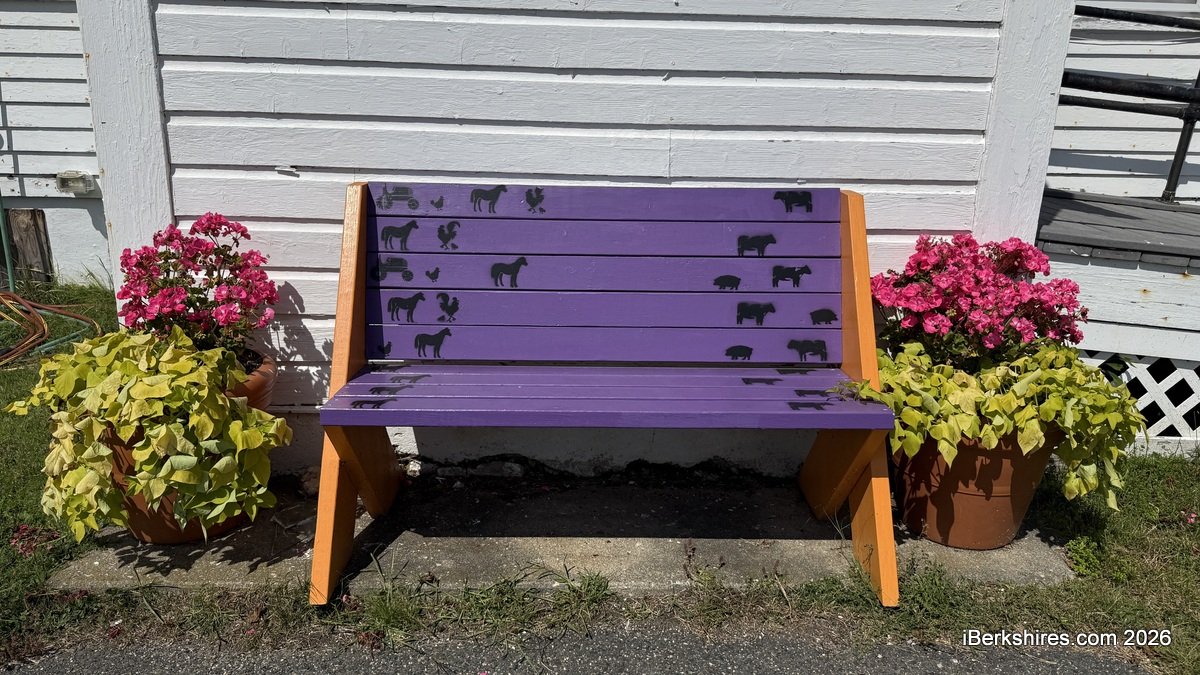
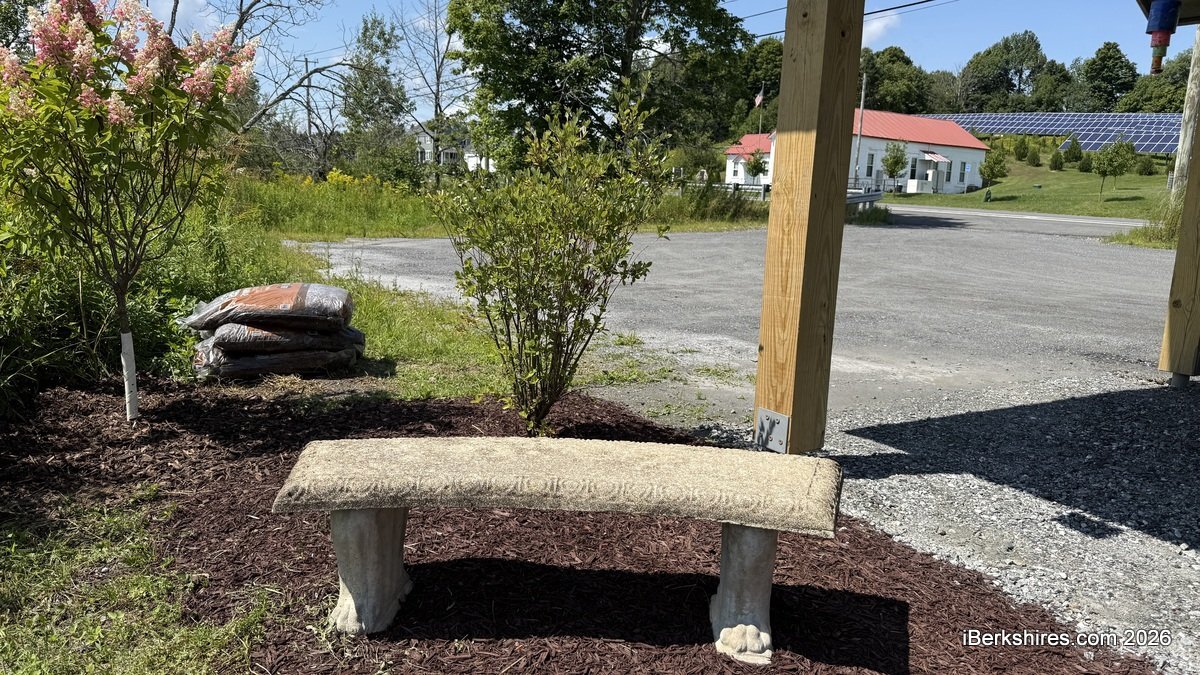
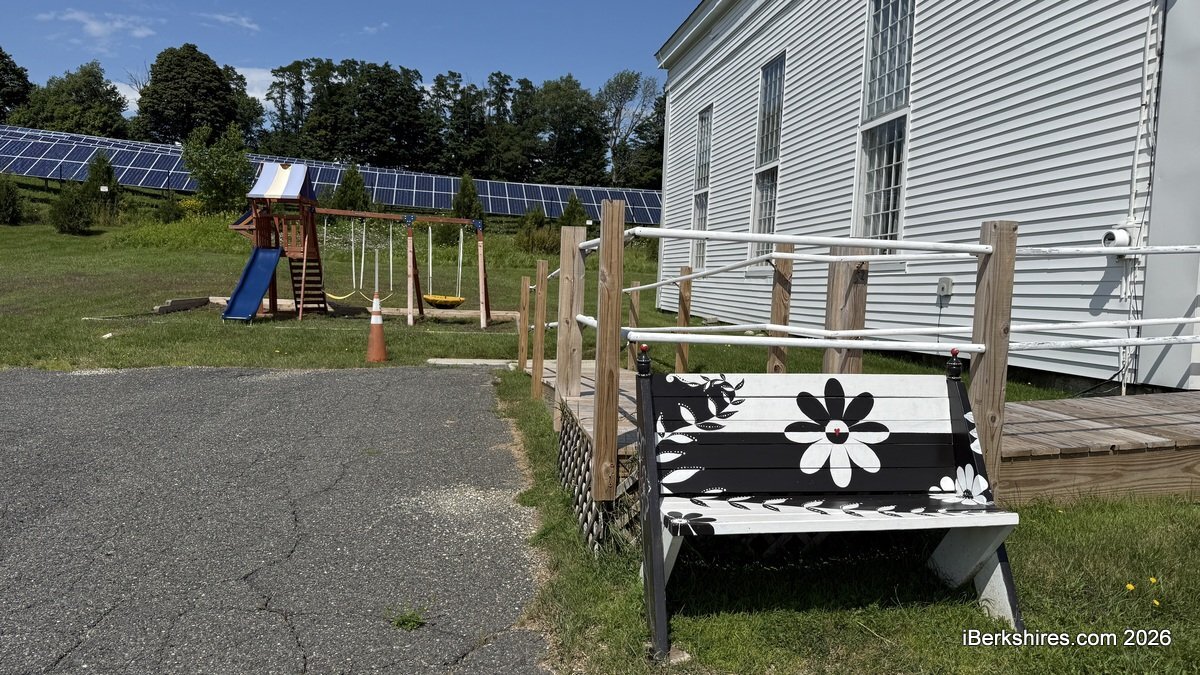
Several brightly painted benches around the Town Hall and pavilion offer places to set a spell.
Coming from Dalton, Route 9 winds through a corridor of trees before breaking open: on the left sits a wide field, and on the right, a side road toward Savoy. Continuing straight past these, toward Cummington, a cluster of New England-style buildings come into view.
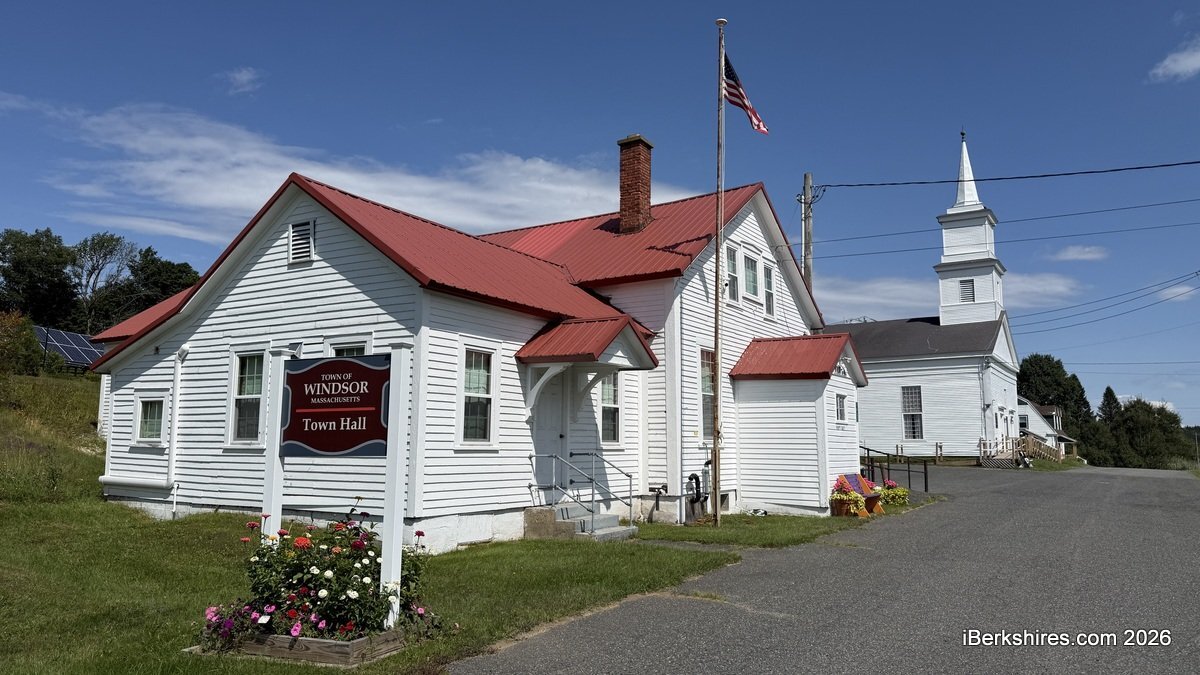
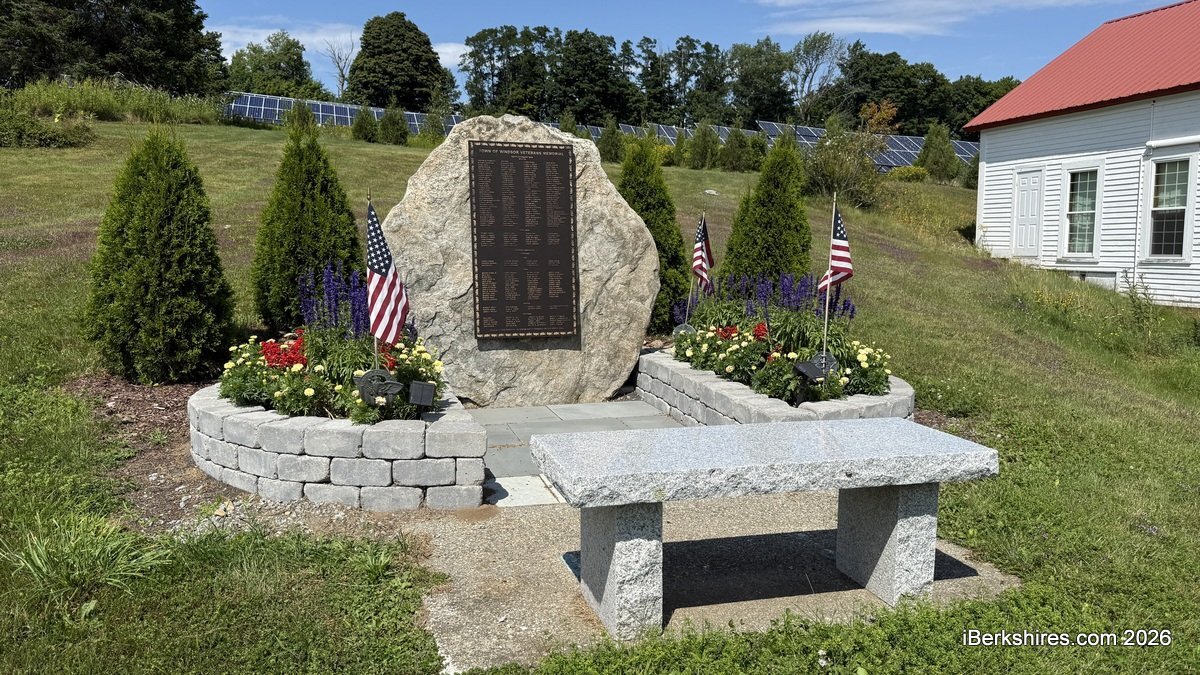
You have entered what volunteers hope will become the heart of Windsor — home to the Sangar General Store, the veterans memorial, a small playground, Town Hall, the public library, and Windsor Congregational Church.
Three years ago, the Windsor Garden Team started its work to beautify the town and showcase its community-focused, artistic, and welcoming identity, founder Ann Koczela said.
They started by planting flower boxes outside several buildings, along the pathways into the town offices, and beneath the municipal signage, and by planting seven trees along that stretch of road.
Even people who weren't able to help in person still contributed by giving plants that they had, which connected them to the community, she said.
.jpg)
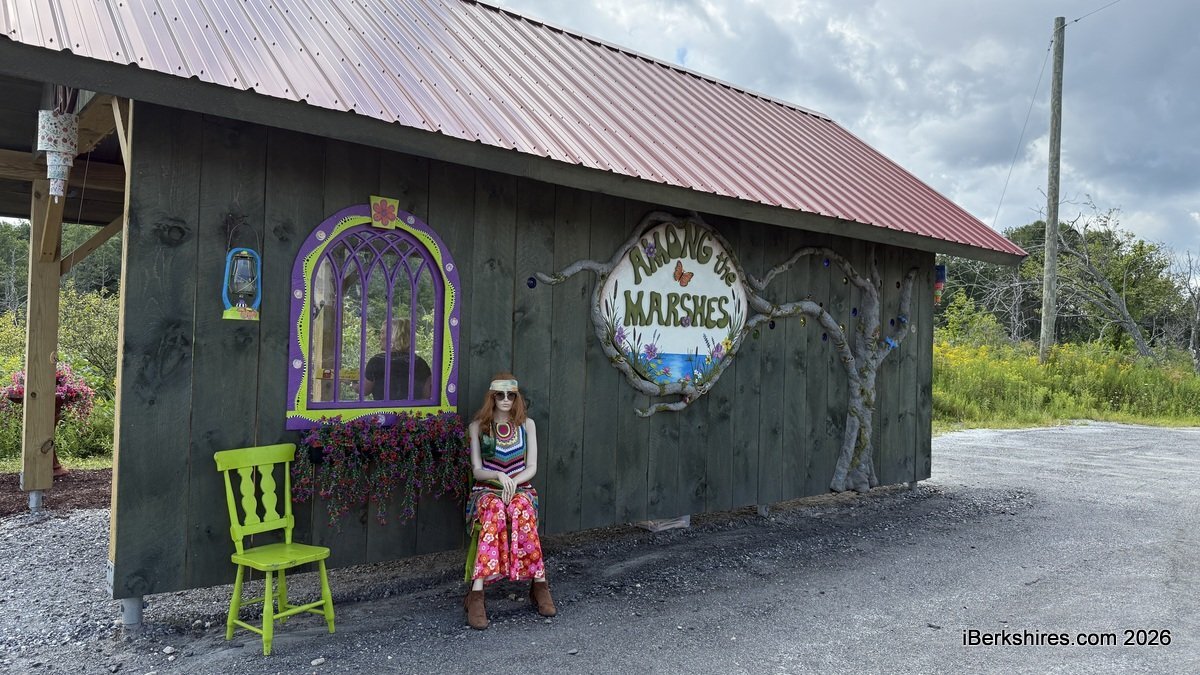
Now in year three, the organization has completed one of its biggest projects to date — a "whimsical" and "colorful" community pavilion they called Among the Marshes, located across the street from the Congregational Church.
The pavilion, built without taxpayer funding, gives travelers a place to pause — for lunch, quiet, or to simply experience nature, Koczela said.
"It's eye-catching. You used to drive past Windsor, not knowing you were in Windsor, and you blink and you miss it. And now people are pulling over," volunteer April Albrecht said.
"I saw someone here for a good two hours yesterday, sitting in here. People that work on the roads, they stop and have lunch here."
The project has drawn support from a wide range of local businesses — banks, lumber yards, roofers, and other corporate sponsors and was able to obtain grant funding through Wild and Scenic Westfield River, she said.
"We are at the head of the Westfield River. So, this has become just a great vision, and I think everybody's pretty much been on board and appreciated everything we're doing, and it's just been fun," Koczela said.
The colorful structure blends sculpture, education, and play — inviting travelers and residents alike to slow down, sit, and explore Windsor's creative spirit — by functioning as both a rest stop and a piece of public art built entirely through community effort.
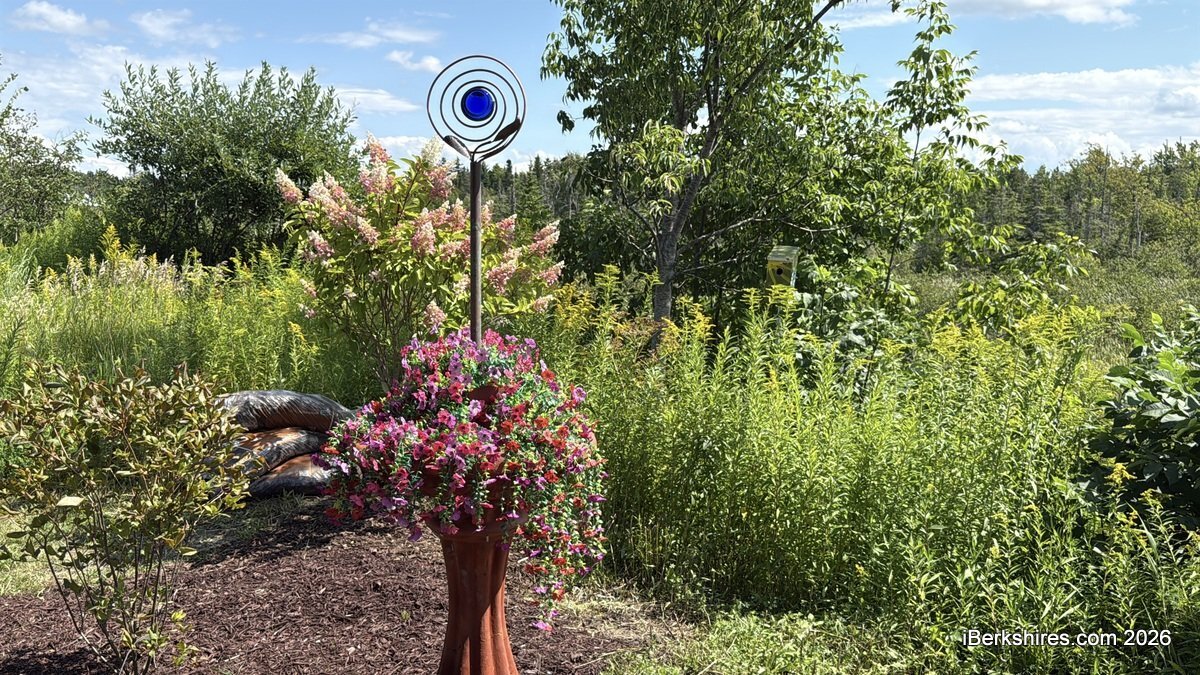
It also was built almost entirely from donated and repurposed items — an old ladder, furniture, birdbaths, and benches sanded and repainted into bright, playful features.
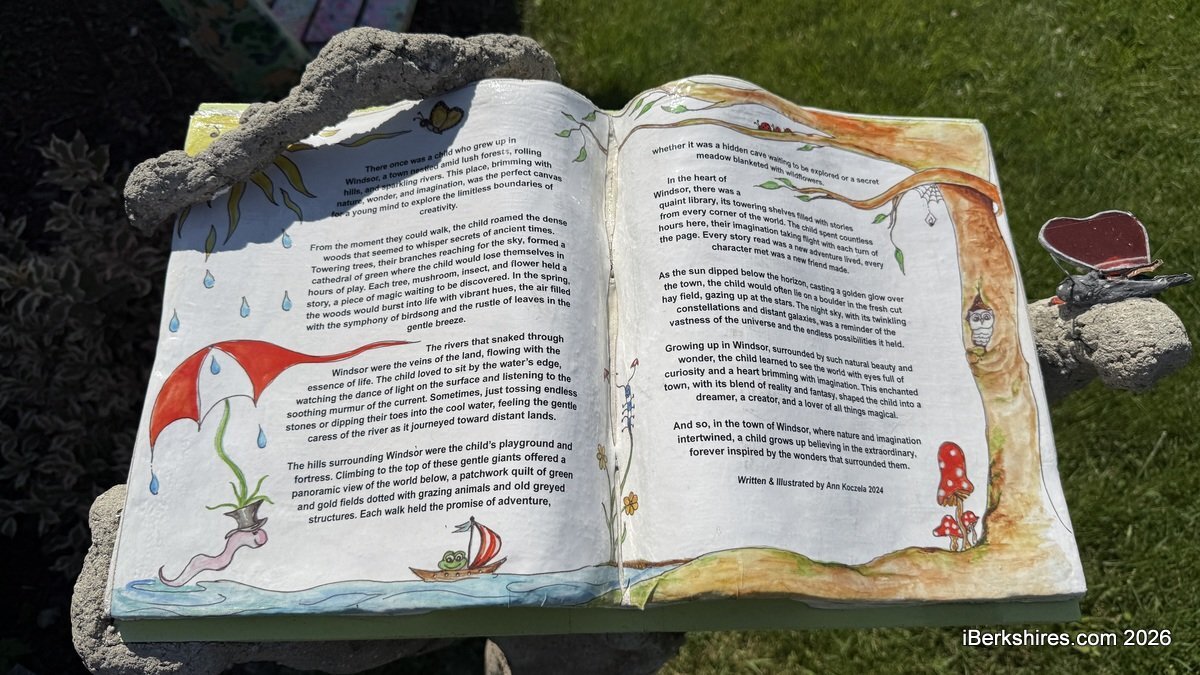
Koczela is no stranger to repurposing — as a repurposing artist, she regularly restyles old furniture and found objects, transforming them into something new.
It's a skill she put to work on multiple fronts for this project: selling refinished pieces to help fund it, and applying her craft directly to the pavilion itself, from refinishing the tables to other reimagined details throughout the space.
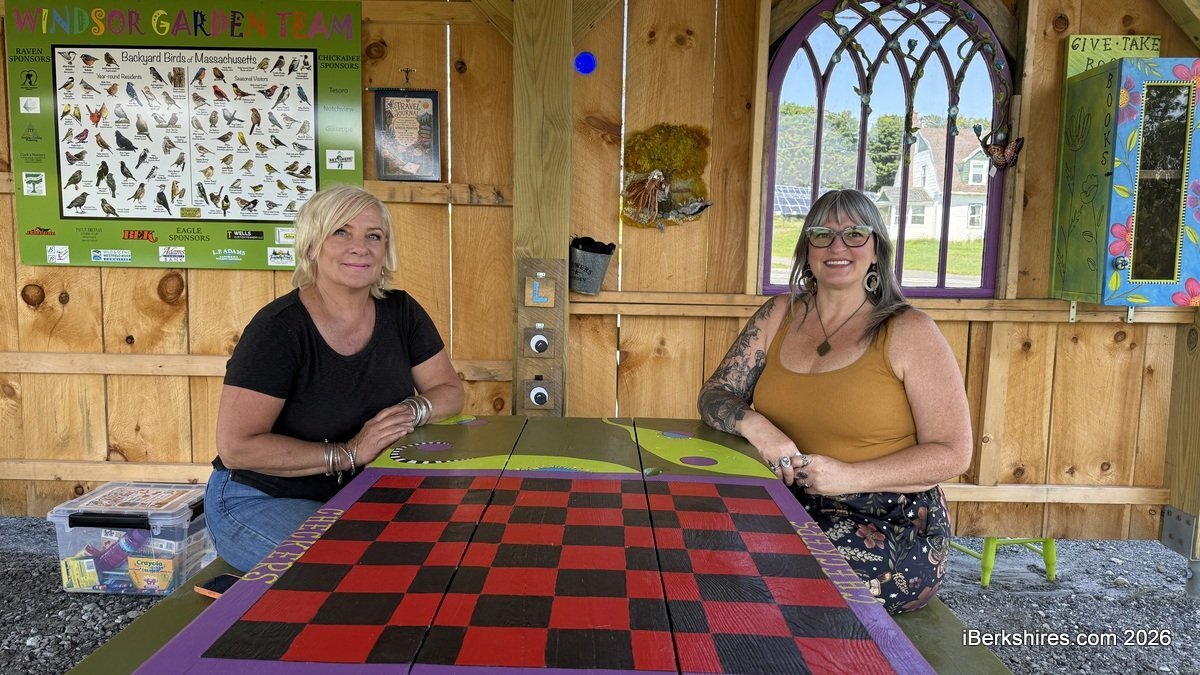
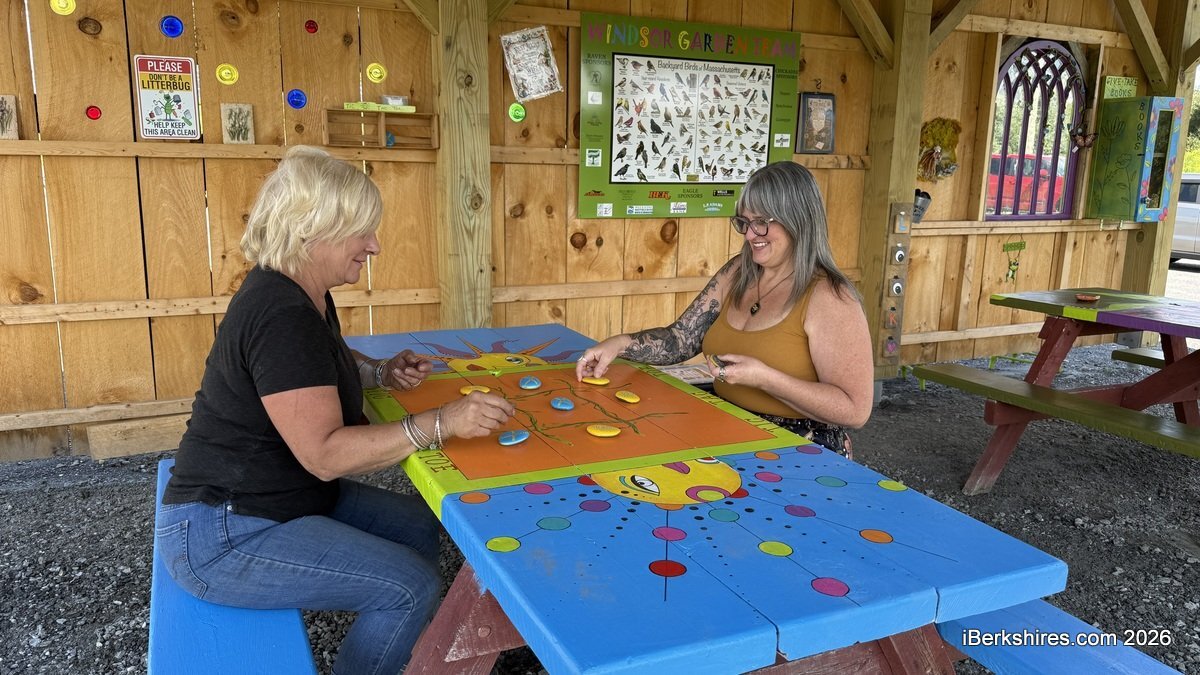
Visitors can challenge each other to a game of checkers, tic-tac-toe or the classic hook-and-ring game, listen to wind chimes made from recycled cans and, as the sun sets, watch solar lights and cut-glass bottle art glow, catching the eye of passing drivers.
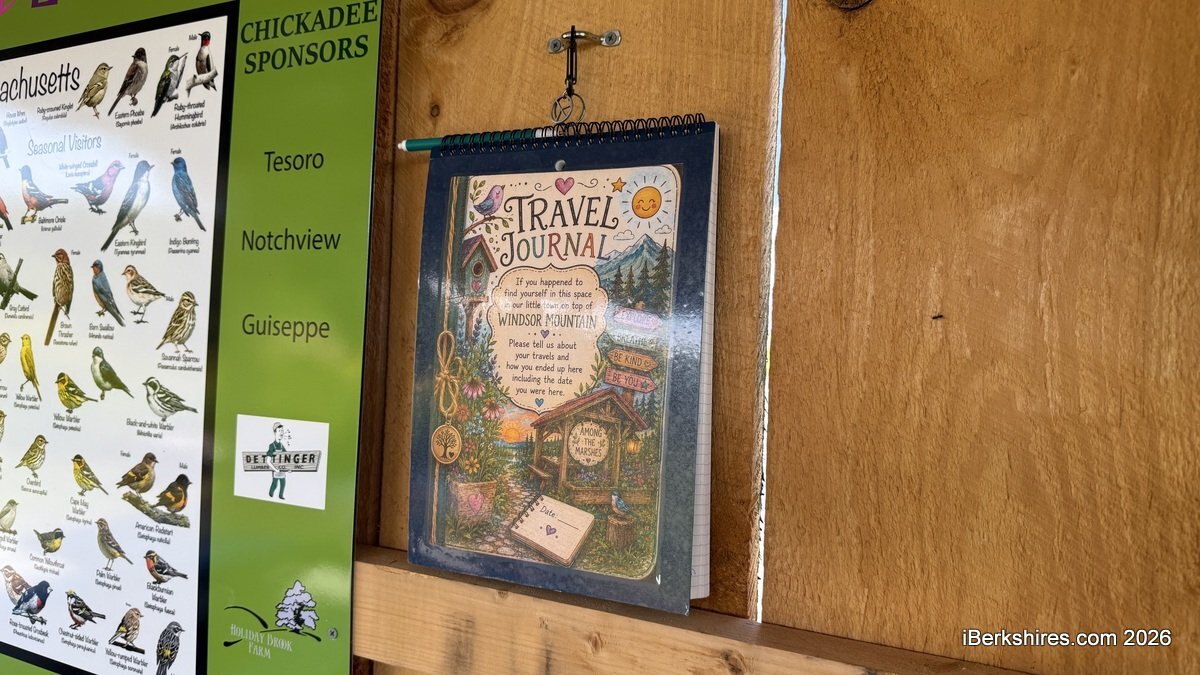
The space is also decked out with educational displays that tie the space to the nearby Westfield Brook ecosystem, such as the type of backyard birds people can lookout for.
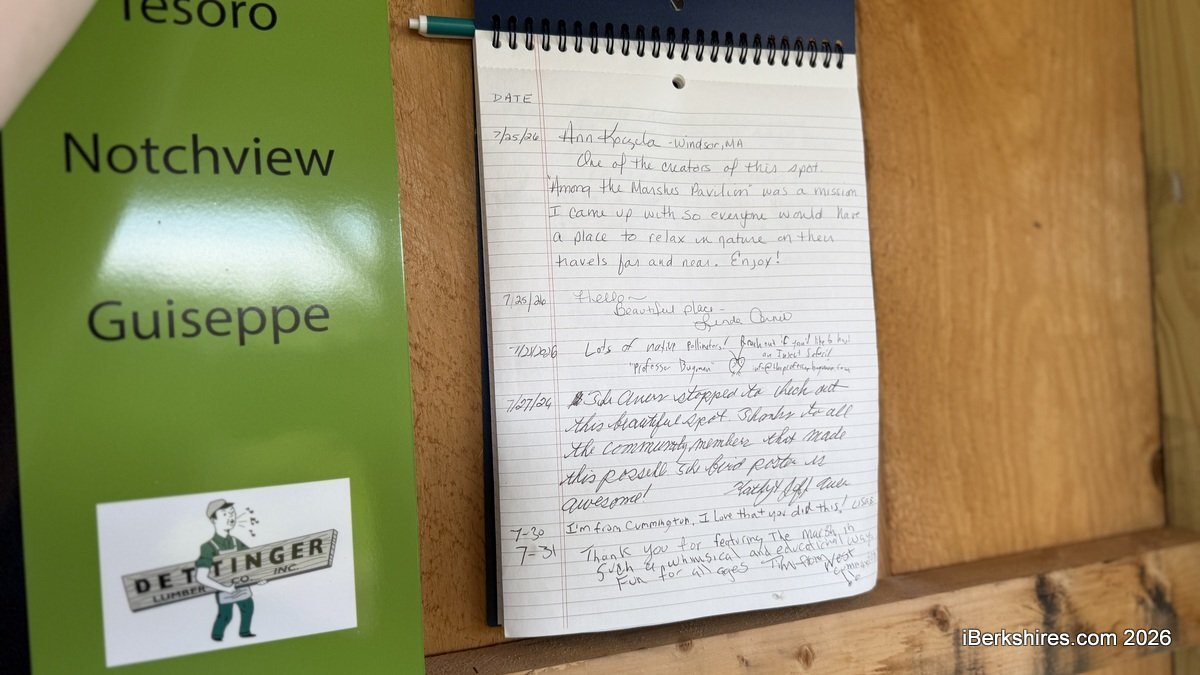
After your respite, leave a piece of yourself at the pavilion by writing about your experience in the communal travel journal. Some have even left behind anonymous trinkets that add a personal, ever-changing layer to the pavilion.
"I think it says to come be a part of the community, that all people are welcome here, [and] to be curious. Get curious about what you're driving through and past. There's a difference between walking and driving, and you can miss so much driving," Albrecht said.
"So, I think this invites you [to] come see Windsor and come have a good time. This town has a lot of artists and a lot of just really kind people, and I think this gives off the energy of kindness and community. And I know that that's what Windsor's been to me."
The pavilion is watched over by its mascot–named "Count Fluffington of Windsor," which the team discovered in a trash bag down the bank near the pavilion.
The longer you linger at the pavilion, the more hidden treasures reveal themselves — from community-built birdhouses to animals visiting the natural marshland landscape along the Westfield Brook ecosystem, plus small clay figures tucked within the displays: a frog, bright red mushrooms, a caterpillar, a bluebird, a tiny troll, and more.
Tags: art installation, flowers, gardens,