Beacon Cinema Cuts Ribbon On Cushy New Seats
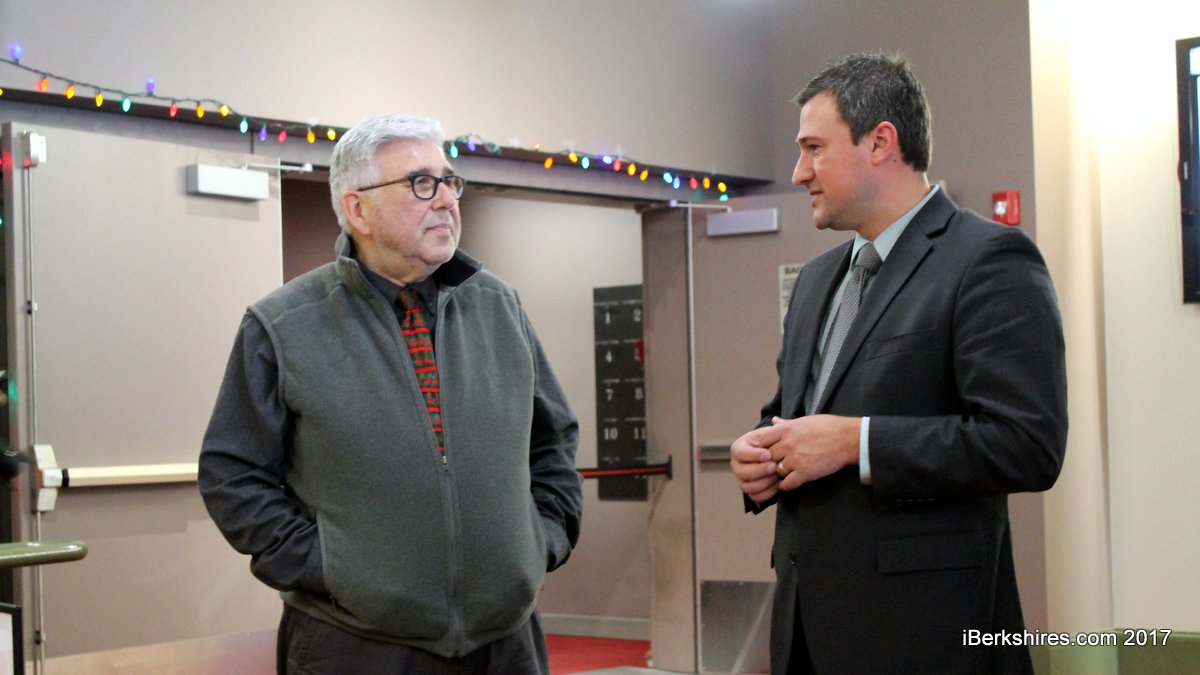
Former Beacon Manager John Valente and Councilor John Krol discuss the partnership between the city and the theater.
The $23 million project to bring an independently-owned movie theater had taken years to finally come to fruition. Former Mayor James Ruberto had the crowd celebrating the opening chant his favorite saying, "it is a great day for Pittsfield."
But it was the new stadium seating that was the talk of the town. Since then, things have changed in the movie theater industry. Those seats are now considered outdated.
"Everybody kept saying how comfortable they were, how fantastic these seats were. Well, you know, nothing is more constant than change," former Beacon Manager John Valente said on Friday.
"Just as digital standard for a modern movie theater, audiences have shown a clear preference for big comfy recliners and reserved seating."
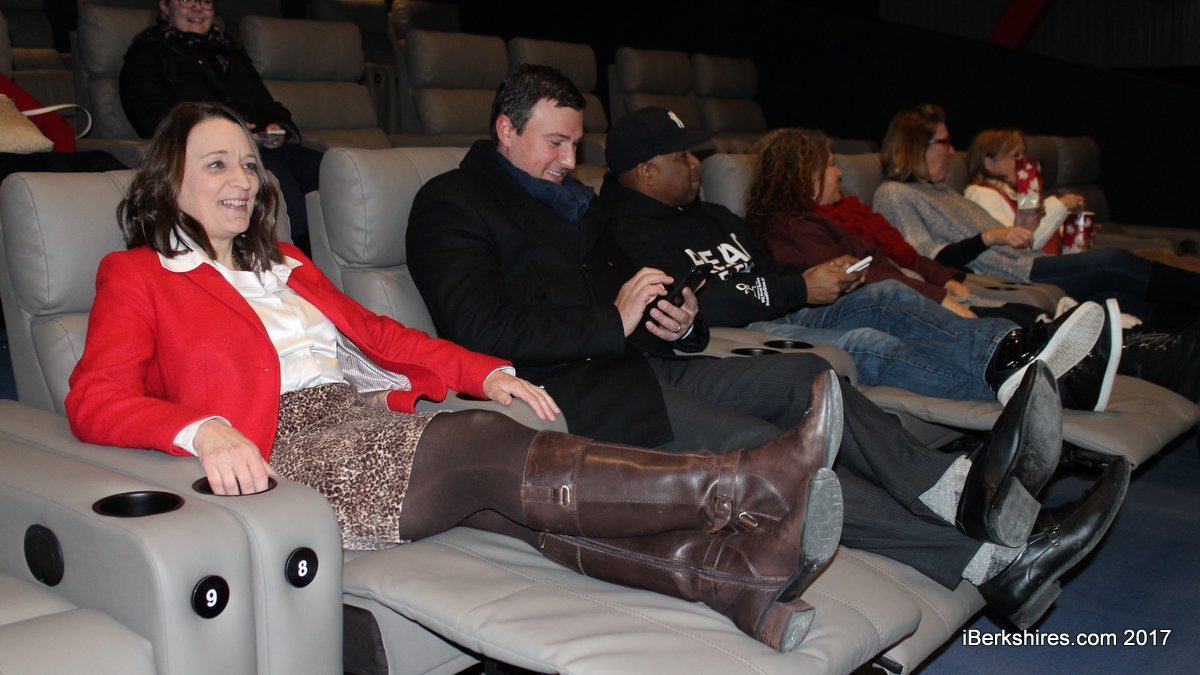
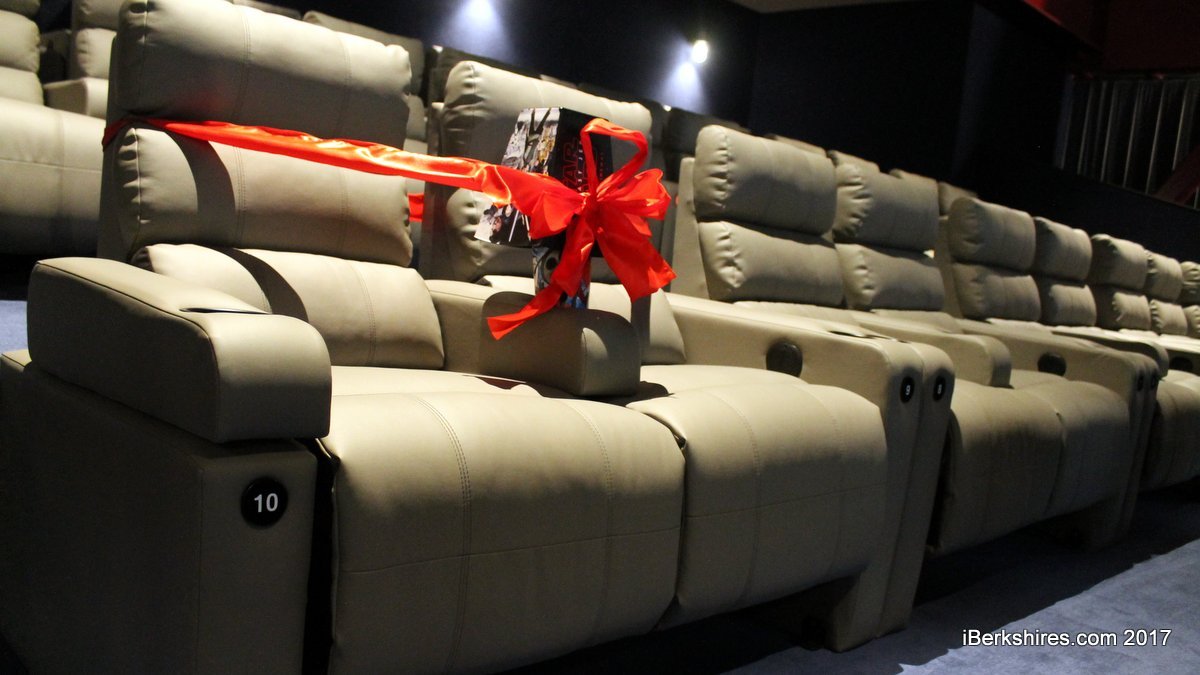
As times change, the Beacon Cinema is looking to stay right with it. On Friday, the downtown theater showed off its new recliner seats, which cut the number of seats it has about in half. The theater has now revamped the seating in all six of its theaters and implemented reserved seating.
But one thing the former manager says hasn't changed is the foundation on which the Beacon was built.
It was back in 1997 when city officials determined that a downtown movie theater would become a vital piece in the puzzle to bring people back downtown. After seven years of work, eventually Richard Stanley agreed to develop it. It became a piece, tied with fellow anchors Barrington Stage and the Colonial Theatre, of what became a decadelong effort to revitalize North Street. By 2015, the company had spent more than $20.2 million on the project and created 39 total jobs.
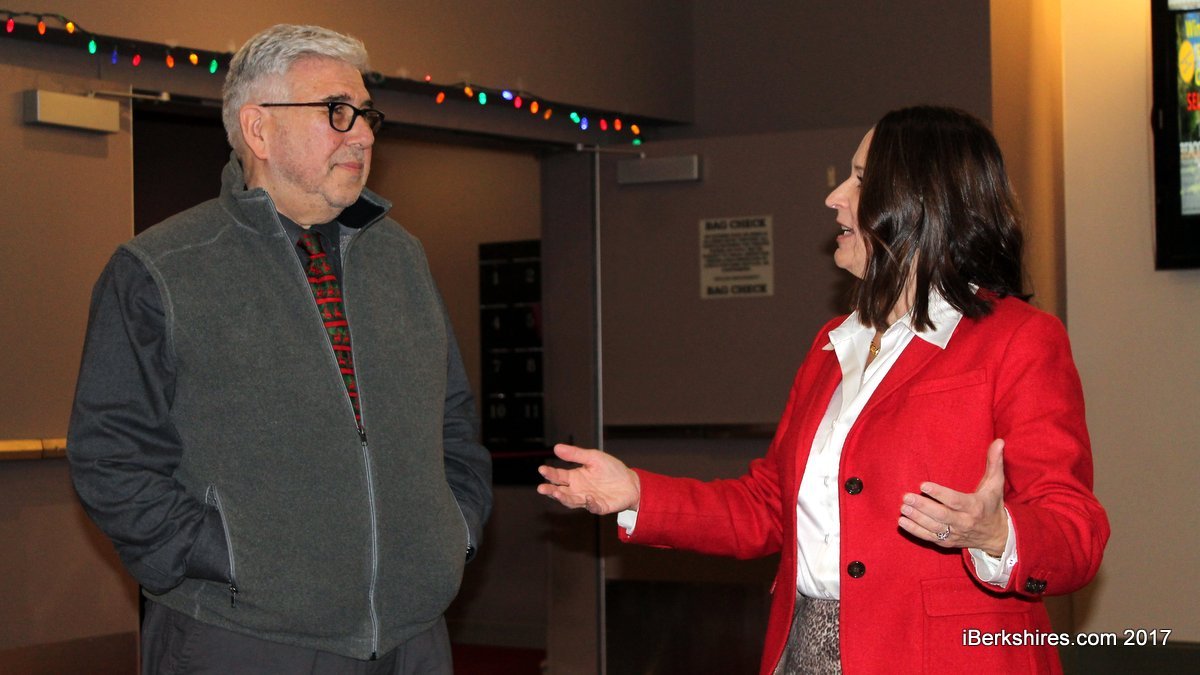
"It was a true relationship between the private sector and the city that made this happen, a true partnership," said City Council Vice President John Krol. "It was the Beacon Cinema that was the centerpiece of that to bring families downtown."
.JPG)
The Beacon is lowering its prices at a time when the industry is going the other way.
Since then, millions of private sector dollars have been invested on North Street. A number of new restaurants and shops have opened. The state helped fund a massive streetscape project.
Mayor Linda Tyer said she knows the efforts worked because now there is an array of market-rate housing developments happening, showing that people now want to live downtown, not just visit.
Tyer actually still keeps a chunk of brick from the movie theater's facade, a gift from Ruberto, in her office.
"I keep that on my bookshelf as a symbol of what renaissance is and how we have to keep moving forward, just as we've done on North Street, in other parts of our city," Tyer said.
But over those years, the Beacon began to struggle to keep up with the changing industry. That wasn't going to deter Stanley and staff. The company planned a half-million turnaround plan, which included the new reclining seats. But, the finances behind that new money going to the venture still didn't match up.
Last May, Stanley asked the City Council for an extension of the Beacon's tax incremental financing package and the council agreed. The agreement puts off taxing the value of the new investment for another five years. In total, about $72,000 worth of tax money will be forgiven during that time in order to allow the new investment to move forward.
"This council and this mayor worked together to make sure we are able to support the Beacon Cinema make this happen," Krol said.
Those from the Beacon recognize that role as being a community partner. So while the seats are an effort to keep up with the changing times, the Beacon isn't going to stay with the pricing trends. On Friday, Manager Lydia Shulman announced a reduction in many of the ticket prices.
"Most theaters are going the other way. They are raising their prices when they put these seats in. Theaters near Boston are $25, $30 for a ticket. I remember the days when you could walk down the street and spend $4.50 to see a movie. Movies used to be accessible entertainment. It was affordable. And it has been moving away from that. This is our opportunity to bring that back," Shulman said.
As of Friday, prices for a 2D movie or a 3D matinee will be $6; evenings for children and seniors will be $6 and for adults, $8.75; and 3D evenings will be $11.75 for adults and $9 for children and seniors.
"This project started because we really wanted to do something to make downtown Pittsfield go and we've never lost that commitment," Valente said.
Eight years ago, the cinema cut a strand of the 35-millimeter film, a symbol of the cinema ridding rid of the old style films and moving to all digital. And on Friday, a ribbon was cut on the newly revamped seats, positioning an anchor of North Street to survive for years to come.
"This is a great day for the Beacon," Tyer said.
Tags: beacon cinema, business improvements, movie theater, ribbon cutting,