State, USDA Worked to Contain Avian Flu in Berkshire County
LANESBOROUGH, Mass. — The U.S. Department of Agriculture and several state agencies are working to contain an avian influenza outbreak in Berkshire County after samples from a 240-bird flock in Lanesborough were confirmed to have the virus in late March.
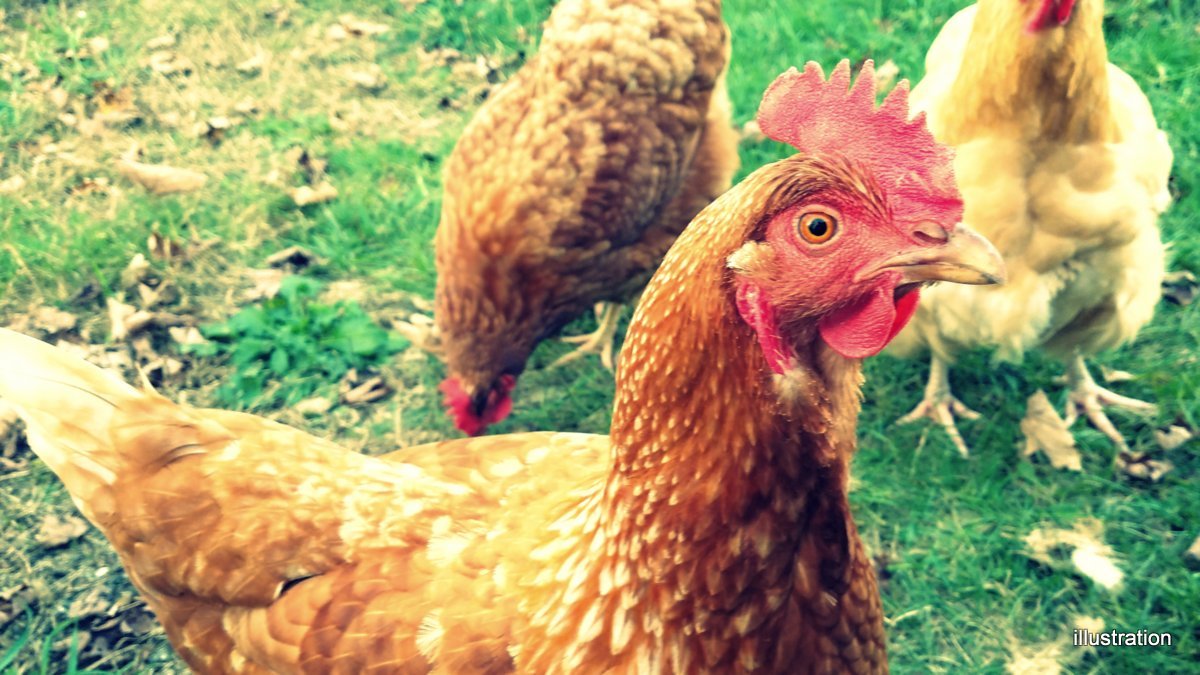
The non-commercial flock contained ducks, chicken, geese, quail, and turkeys, all of which are capable of getting sick with and spreading "highly pathogenic avian influenza," or HPAI. The state and the USDA euthanized the flock and quarantined the area to prevent further spread.
Local officials declined to identify the location of the flock and referred to inquiries to the state.
"It's important to note that avian influenza is a bird disease, that can very rarely infect humans," said Troy Wall, deputy communications director for the state office of the Executive Office of Energy and Environmental Affairs. "And only humans that have had direct contact with infected birds or their environment are at any risk."
The Massachusetts Emergency Management Agency conducted outreach with several local government agencies and bird owners to keep them informed of the situation.
"Knowing this disease is being spread by wild migrating birds, the main focus on control is to prevent the spread from wild birds to domestic flocks by taking proactive biosecurity measures," he said.
Cara Petricca of Bluebird Farm Animal Sanctuary in Cheshire said she had been aware of avian flu in the county for several months and explained that the sanctuary has stopped taking in birds to prevent it from spreading there.
"It's here, and it's not going anywhere for a while, especially now that all the birds are starting to migrate back in," she said. "Sort of like COVID, it's going to get worse before it gets better."
There have been several other precautions taken in the sanctuary, according to Petricca, such as more frequent cleaning and lining the aviaries with mesh to keep them fully enclosed. She said an avian flu outbreak is potentially devastating to any flock of birds because of how contagious it is.
"Most people don't want to [report the virus to the USDA], because they don't want someone to come and kill their entire flock. What they don't realize is, it's going to kill their flock whether they have someone come in or not," she said.
"Beginning in mid-January 2022, the USDA confirmed the presence of HPAI in wild birds from Florida to Canada, including in Massachusetts," Wall said.
Petricca said the death of a flock has more than just financial ramifications on bird-owners.
"It's devastating to not only businesses, but people who have these animals as pets," she said. "They're part of their family. Sometimes they're providing food for a family. So when someone loses their flock, there's a lot of emotional damage, there's a lot of financial damage."
Symptoms include sudden death, lethargy, decreased egg production, swelling and discoloration around the head, nasal discharge and diarrhea.
Bird owners who suspect avian flu should contact the Division of Animal Health at 617-626-1795.
Tags: agriculture, poultry,