Mount Greylock Gives Towns Budget Estimates
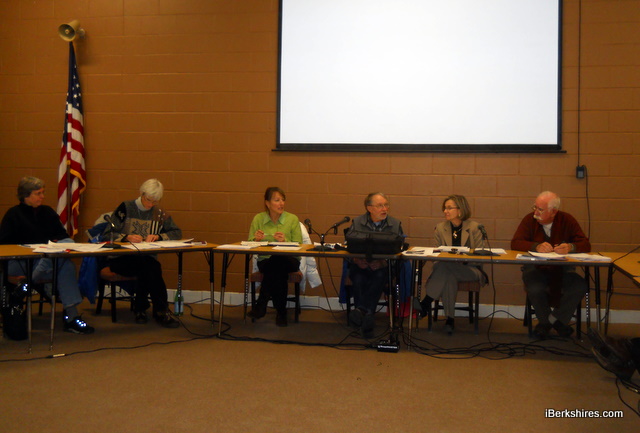
File photo
Mount Greylock Regional High School is asking for less than a 1 percent increase in town contributions.
|
The Mount Greylock Regional High School Committee approved Tuesday sending its preliminary $10.6 million budget to town officials both here and in Lanesborough, calling for a .8 percent increase in town support.
The school is expecting to ask for an additional $38,983 from the Williamstown and $15,814 from Lanesborough to balance its budget.
"The school is in a difficult situation but so are the towns," Jennifer Coscia, the district's finance director, said on Tuesday.
"I talked to [Town Manager] Peter Fohlin and he said they'd be OK with a .8 percent increase and then I asked the people in Lanesborough for .6 – because that's what it translates to – and they were a little hesitant but they said they could do that, too."
However, those numbers were derived before the towns received the assessments from McCann Technical School. McCann is expecting the Williamstown to contribute more money, which could decrease the amount the town will be able to spare.
"We have been working on this budget since late August," Superintendent of Schools Rose Ellis said. "The preliminary FY12 budget is predicted on maximizing opportunities coming our way."
Ellis and Coscia recapped the budgeting process for School Committee members. After the increases and decreases were predicted, the school had a shortfall of $615,000.
Ellis said revenues are expected to be down by 3 percent and expenses to rise 5.8 percent. Revenues decreased because of the national economic downturn, state cuts in transportation and other budget lines, with town's contributions staying mostly level and a reduction in state aid including the elimination of stimulus funding (the American Recovery and Reinvestment Act of 2009).
Expenses increased because of contractual salaries, a health insurance jump of 7 percent, fixed costs of 2.5 percent in transportation, and debt services, Ellis said.
The biggest savings helping school officials reach a balanced budget come from special education. Coscia said the school will have fewer special needs students and will be able to save about $244,000. The school also no longer has to pay for four out-of-district students, resulting in an additional $135,000.
The rest was found in smaller savings with a having a full-time psychologist, reducing usage of at least one school bus, restructuring the school's maintenance, a decrease in salary to replace two teachers who are retiring, and having fewer staff members enrolled in health care plans.
The budget did not include an additional $9,000 increase in Chapter 70 funds proposed by the governor nor did it include cost savings in a couple new initiatives, including an idea to share special education transportation with the elementary school. The budget also is prepared with the expectation of a cut in state aid for transportation that officials recently have been told will not be cut, Coscia said.
"It's not only appropriate but there is wiggle room in it," Ellis said. "This budget is growing the school."
If the budget passes the school will be able to hire a full-time English teacher and add more technology, she said.
Committee member David Langston asked if the school should ask for more just in case the projected numbers change. It is a lot harder to ask the towns for more money later than it is to tell them the school has found ways to reduce it, he said.
"This number seems small to me. I think the estimate we give to the towns should be larger and then we can pare it down from there," Langston said. "I don't have a lot of confidence in the state budget."
But asking the towns for a smaller increase than may be needed is a "good faith" gesture, committee members said.
The school could use money to hire a new science teacher but the preliminary budget does not include one.
"This is going to be a tough year for the towns. They're going to start laying people off and they have carried the water for us in the past," School Committee Chairman Robert Ericson said. "We have always had more than the minimum contribution and now they need our help and we should give it to them."