Time Warner Moves Public Access Channels to Digital
 |
|
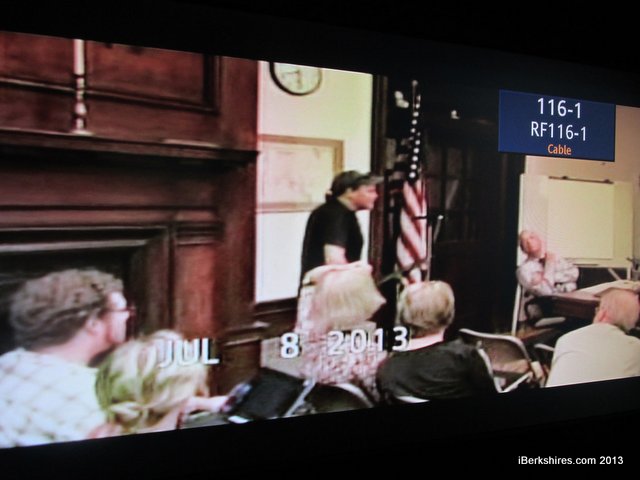 |
Top, a blank screen Tuesday morning greeted viewers of WilliNet at its previous location. Left, the new digital WilliNet home on Channel 116-1 |
WILLIAMSTOWN, Mass. — Residents accustomed to watching the local community access television channels woke up to a blank screen on Tuesday morning.
If they had a digital television, it was just a matter of reprogramming the set to find WilliNet's new home.
If they didn't, they had to use a digital converter box, which, for a limited time, will be available for free from Time Warner Cable.
But town officials are asking why the cable company needed to move community access stations from conventional, analog channels to its digital service.
At Monday's Selectmen's meeting, Town Manager Peter Fohlin brought the panel up to speed on his conversations with Time Warner and explained why he believes it is important for the town to continue pressing the company for answers.
"I don't feel any great obligation to stick up for Animal Planet or Soapnet or the Oprah Winfrey Network, but this seems like it strikes us in the heart," Fohlin said.
WilliNet provides residents with live coverage of local government meetings, including town meetings, as well as replays on both television and online, community-generated content and a valuable bulletin board.
Time Warner announced the switch in a letter to subscribers dated June 21.
According to the letter, the cable provider will only provide the town's Public, Educational and Government (PEG) channels in digital format as "one way we continue to improve the quality of our service."
To soften the blow, the company is offering "free" digital adapters through Sept. 23. It will begin charging for the use of those adapters on Jan. 1, 2015.
Fohlin said there is no obvious clause in the town's cable contract that precludes Time Warner from charging more money to view "public access" programming, but the Selectmen encouraged him to pursue the question further. The matter likely would require consultation with town counsel.
"The 99-cent fee will by definition hurt most those who can least afford it because if they could afford digital TVs, they'd buy them," Fohlin said.
WilliNet posted a prominent article on its home page advising viewers of the switch. The change is occurring for Time Warner subscribers throughout the area, affecting subscribers and local access stations.
The affected WilliNet channels have been moved to Channels 116-1, 116-2 and 116-3.
Tags: cable television, public television,