Circus Animal Ban Heads to Pittsfield City Council
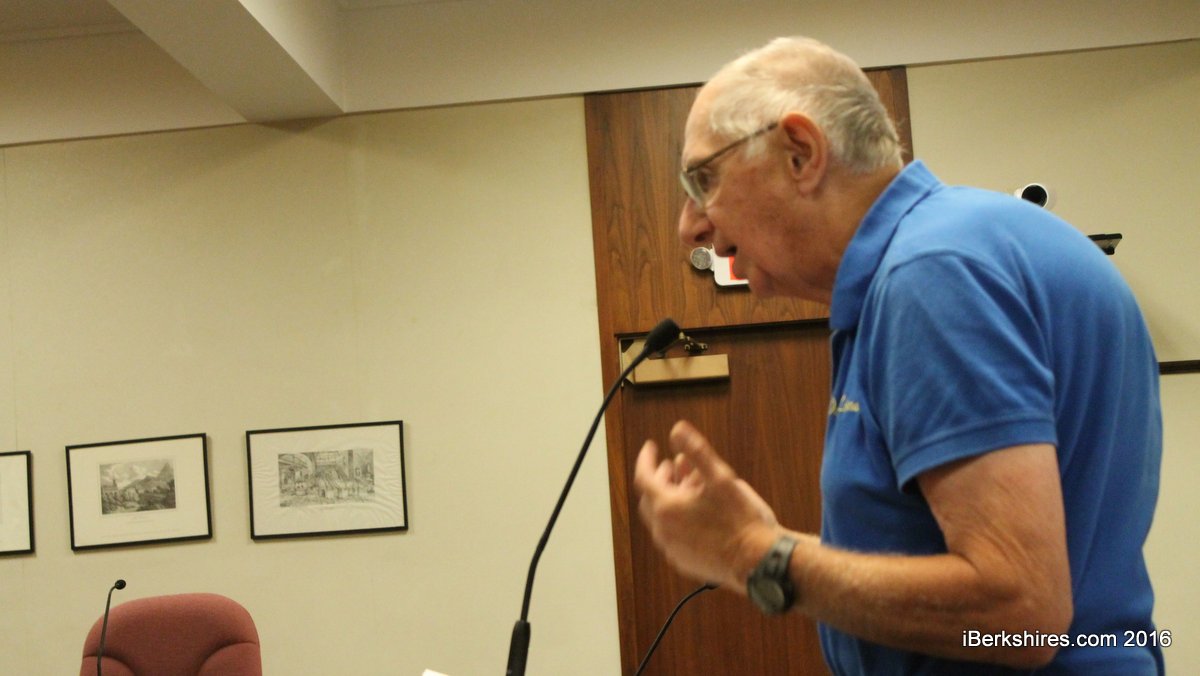
Dan McGinnis refuted the claims that the animals are being treated poorly.
Animal advocacy group Berkshire Voters for Animals has proposed the ban, aimed primarily at circuses. While there hasn't been a circus in the city since 2008, the advocates hope to make sure one never returns.
The group had previously pushed for a ban in Dalton, where a circus is held annually, but voters there rejected the ban.
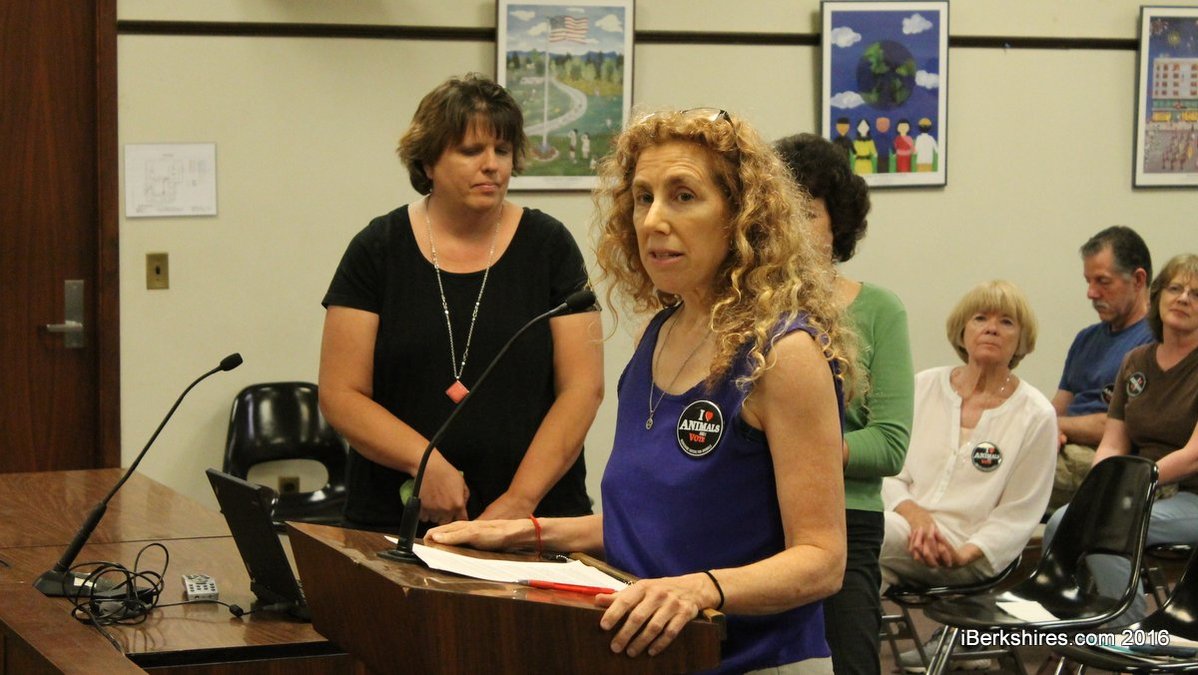
"While Pittsfield does not have an annual circus event, the city has hosted circus events in the past," Leslie Lupino of the group said.
Lupino said there are three main reasons to seek the ban: public health and safety, the treatment of the animals, and the failure of state and federal laws to adequately regulate circuses.
Terry Carlo took on the public health topic saying tuberculosis can be transferred from elephants to humans through elephant rides. She said between 1994 and 2005, there were 34 cases of the disease in elephants in America. Beyond diseases, circus enclosures are portable and temporary, increasing the possibility of an animal escape.
"Animals are stressed and quickly looking for an escape," Carlo said.
Rochelle Howe said the treatment of the animals has been poor and is unnatural. She said lions and elephants are social animals but most of the circuses that would come to Pittsfield are "one-ring" and only have one of each animal — eliminating chances of interacting with others of the same species. She added elephants need to walk up to 40 miles a day, which is not the case in traveling enclosures.
"These animals live a miserable life and we as a society need to take a stand about what kind of society we want to live in," Howe said.
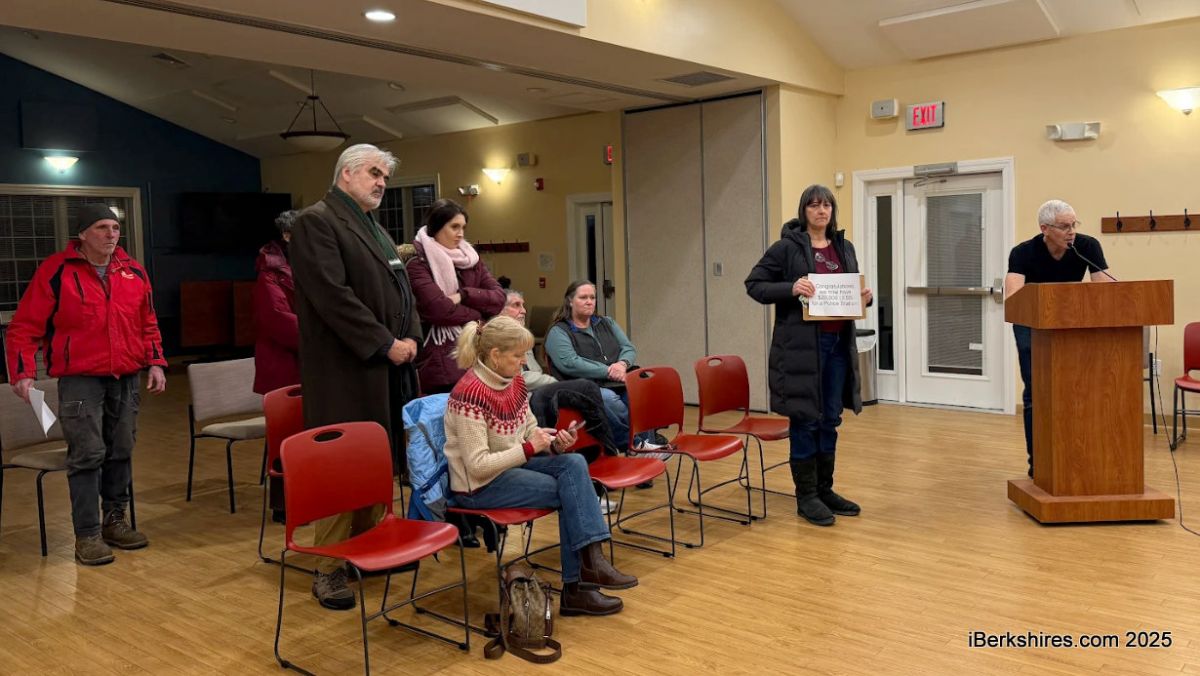
But what may have been the most impactful argument from Howe was when she passed around a bull hook, which is used to lead the animals. The hook has a sharp edge and is used to dig into an animal's skin. She said she doesn't understand why hooks and electric prods are even allowed to be used anymore.
Laura Hagen, deputy director of the Massachusetts Society for the Prevention of Cruelty to Animals, said while there are federal laws to protect animals, resources are too sparse to actually protect the animals and humans. She said the federal Animal Welfare Act holds promoters to only the "minimal standards" and even then there are too few inspections by the U.S. Department of Agriculture.
"There simply is not a lot asked of these exhibitors," Hagen said.
Additionally, she said the penalties are reduced each year by an average of 86 percent so when a circus is fined for violating laws, it is just chalked up to the cost of doing business. She cited a number of examples of circuses being fined very minimally, if at all, for violations.
"These businesses provide entailment on the backs of wildlife," Hagen said.
Stephanie Harris, state director of the Humane Society, said circuses "routinely hit animals" and that the training methods are inhumane and out of date. She said should the city ban circuses, the money that a family would spend to go to it will be spent elsewhere in the city and not with a traveling outfit.
Dan McGinnis has put on the Dalton circus for years and refutes those arguments. He said there has never been a case of animal abuse held up in court, that advocates rely on edited videos and photos, and that there isn't a plan to bring a circus to Pittsfield.
"I have never seen a circus animal abused," McGinnis said, later adding that of the cases brought against circuses elsewhere, "The evidence has never held up in court."
His wife, Mary, said the animals are well cared for: "They don't hurt them. They love them."
Gordon Turner has been involved with circuses his entire life and denied that the training of the animals is inhumane. The animals aren't forced to do something, he said, because that would be "unproductive and dangerous." Instead the animal is studied and trained to do what it likes to do and what it does best. While those looking for the ban brought up bull hooks, he said they are as harmful to elephants as spurs are to horses.
"There is a law and there are many laws pertaining to animals," Turner said.
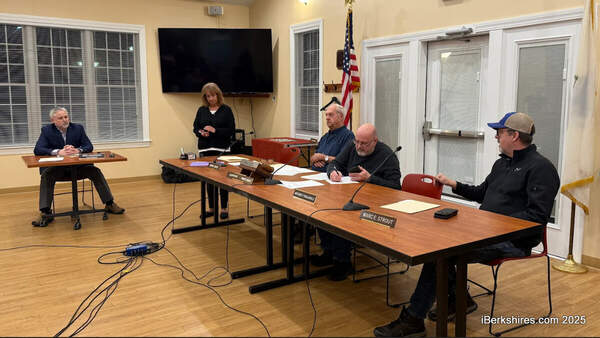
The City Council's Ordinance and Rules Committee approved sending the petition to the full council for adoption. The only outstanding question would be getting more clarification around the exclusion for educational purposes. The advocates for the ban suggested that it not include educational events or businesses but the council wanted a more clear definition.
City Solicitor Richard Dohoney said the determination of entertainment or education as written would be made by the regulatory authority, likely animal control officers.
Ward 5 Councilor Donna Todd Rivers said she certainly agrees with reducing animal cruelty, but questioned if a ban in Pittsfield is the right avenue. She said what she heard from the advocates is that the issues are with federal departments or specific circus companies — nothing the city of Pittsfield could help with.
"This is not the right solution to the problem you are trying to solve," Rivers said.
Hagen responded by saying the city should be taking the lead in order to urge circuses to take action themselves. She said with enough cities and towns passing bans on elephants, eventually Ringling Brothers opted not to fight the local laws and instead pulled them from the act. The same goes for places that banned bull hooks.
"Taking action on the local level has made a direct impact on what these businesses are doing," Hagen said.
She added the ban spreads public awareness.
Ward 6 Councilor John Krol said a ban is long overdue. As humanity has evolved over time, he said, the treatment of animals must do the same. He said he wouldn't want his children to see the way the bull hook was being used on elephants. He also cited issues with confinement and isolation of the animals.
"I am 100 percent behind this. I think it is the right thing to do. I think it is the right thing for our progressive city to do," Krol said.
Tags: ban, circus, elephants, ordinance & rules , wild animals,