Pittsfield Councilors Take Issue With Lack of Handicap Parking Downtown
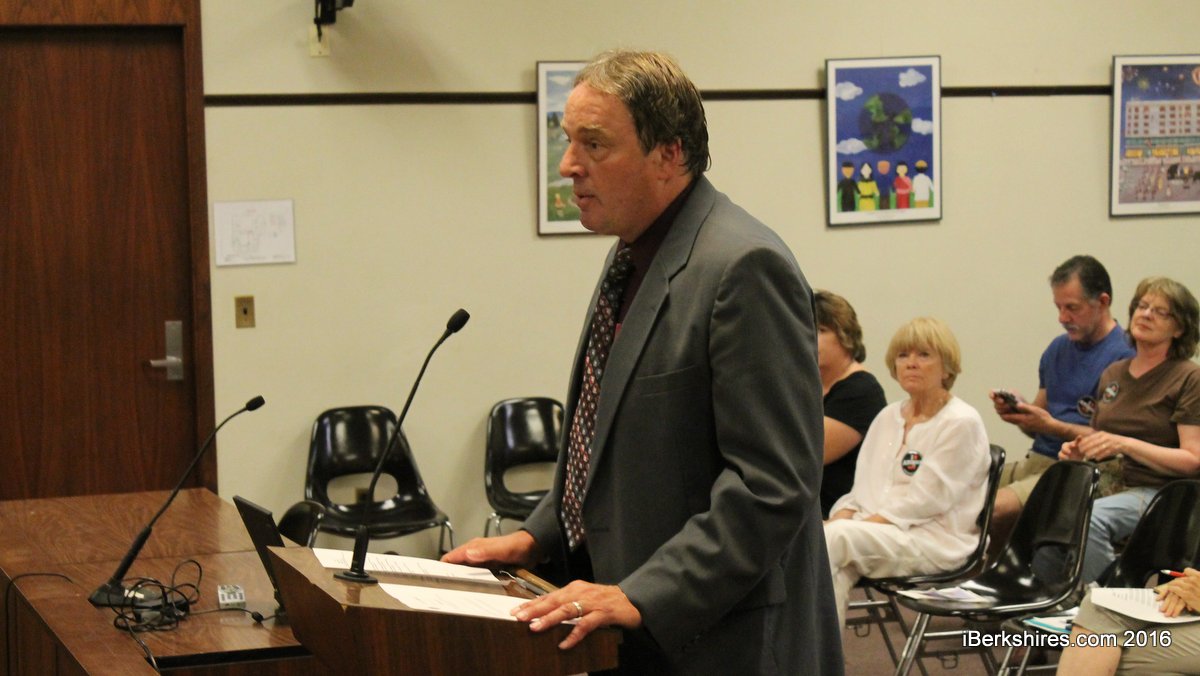
Ward 4 Councilor Christopher Connell filed a petition requiring at least one handicap parking spot for every 10 others in the downtown area.
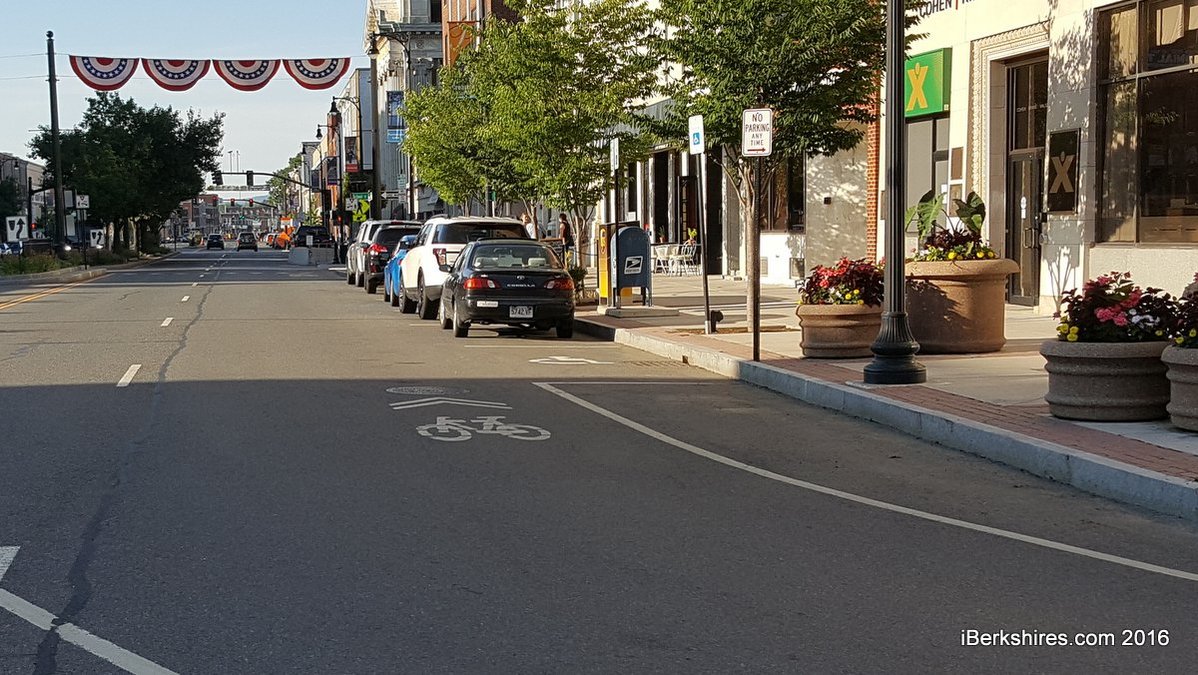
There is only one on Tyler Street and that was only recently added. The few on North are in locations without a nearby curbcut. There isn't even one in front of a store on North Street which sells motorized wheelchairs.
It's unacceptable for Connell.
"I've heard people mention that they can't find a space and they are being told there are handicapped spaces at the McKay Street garage. Are we kidding? Are we serious?" Connell said.
Connell is petitioning the City Council to craft a new ordinance that says there needs to be one handicapped space for every 10 spots on North, South, Tyler, Elm, and West Streets. Further, he wants the City Council to have the say over where they are located.
"Our population is aging. We have insufficient spaces for people with physical disabilities to park and shop in our downtown and visit some of these other streets," Connell said.
He said about half the population is elderly and some 20 percent of those have physical disabilities. But, they struggle to find spots to park in downtown areas - essentially cutting them off from a section of the community.
"What are we telling the public? That we don't care?" Connell said.
Resident William Sturgeon said recently he went to Walmart, which is known for its many handicapped parking spots, and couldn't find a single one available. But when it comes to downtown shops, they are few and far between. Sometimes the ones that are downtown are tucked off a side street or in a dangerous location. Residents John Ostelleno and Ken Keefner both agree and say in the winter when the roads are barely plowed, it is nearly impossible.
The petition will go before the City Council and for other councilors, the standout point is that the elected officials will have say over where the spots are located. Ward 5 Councilor Donna Todd Rivers says using "common sense" in locating them will go a long way. But, what is really needed is enforcement.
"My only other concern is enforcement. There is not a lot of enforcement," Rivers said.
Councilor at Large Melissa Mazzeo says there should also be better signage for the spots as well as increased enforcement.
Councilor at Large Peter White says the petition is "long overdue" and that he has been advocating for one spot particularly on North Street to be moved. Right now, a driver would need to step out into oncoming traffic to get to curb cut.
Also coming in front of the council is a petition from the Historical Commission to extend the authority it has to delay demolitions of buildings more than 75 years old.
According to City Planner C.J. Hoss, more than 150 structures have received approval for demolition since an ordinance giving the commission the ability for a six-month delay while just three have been delayed. The hope is to extend the period out to a year, which would give stakeholders more time to find an alternative solution to save those buildings deemed to have historical significance.
"Despite turnover over the last 10 years, the commission has been very understanding of properties," Hoss said when it comes to the financial and other impacts a delay would have on a developer or property owner.
The former Plunkett School had a six-month delay but as soon as it ended, the building was torn down. Some lament that the building could have been saved. On the other hand, the former Crane Mill on Dalton Avenue was delayed and ultimately the developer opted for a reuse plan instead.
"Extending that delay, doubling that timeframe, would really try to create an impetus for discussion with the developer," Hoss said. "Having a longer delay period does provide a better position to negotiate."
Another such case would be with a 1780s mill on Churchill Street. The purchasers of the property thought it was just a typical 1800s structure and wanted to raze it and build a new home. But, historical documents date it back to being one of the first buildings in Berkshire County still standing. Hoss said a lot of the times historic buildings are being lost before anybody even knows the significance.
The petition also takes the Community Development Board out of the equation. That board was responsible for making a determination on the delay after the Historical Commission recommended one and the change would give sole authority to the Historical Commission.
Mazzeo voiced concern about residential housing, saying it could be a hardship for homeowners to take down structures. But Hoss said his staff already has authority to make an on-the-spot ruling for the typical structures such as old garages already.
"About half of the demolitions the Historical Commission has signed off on are accessory structures," Hoss said.
Tags: demolition, handicapped accessibility, historical commission, parking,