North Adams Designated as Appalachian Trail Community
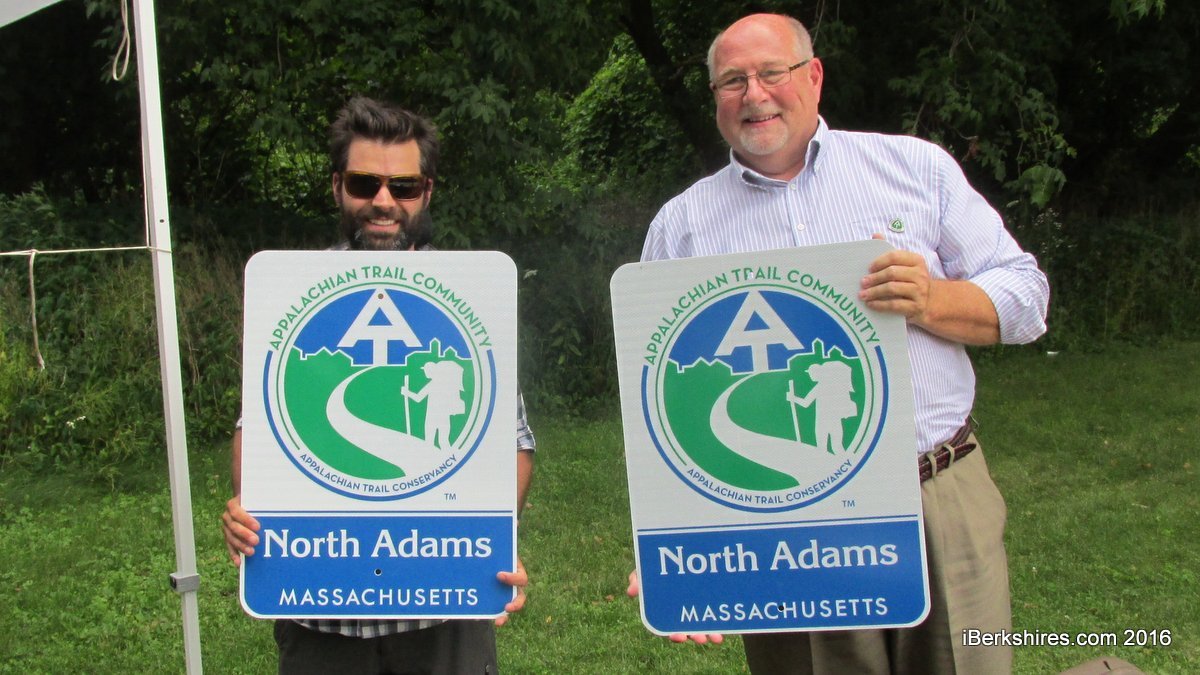
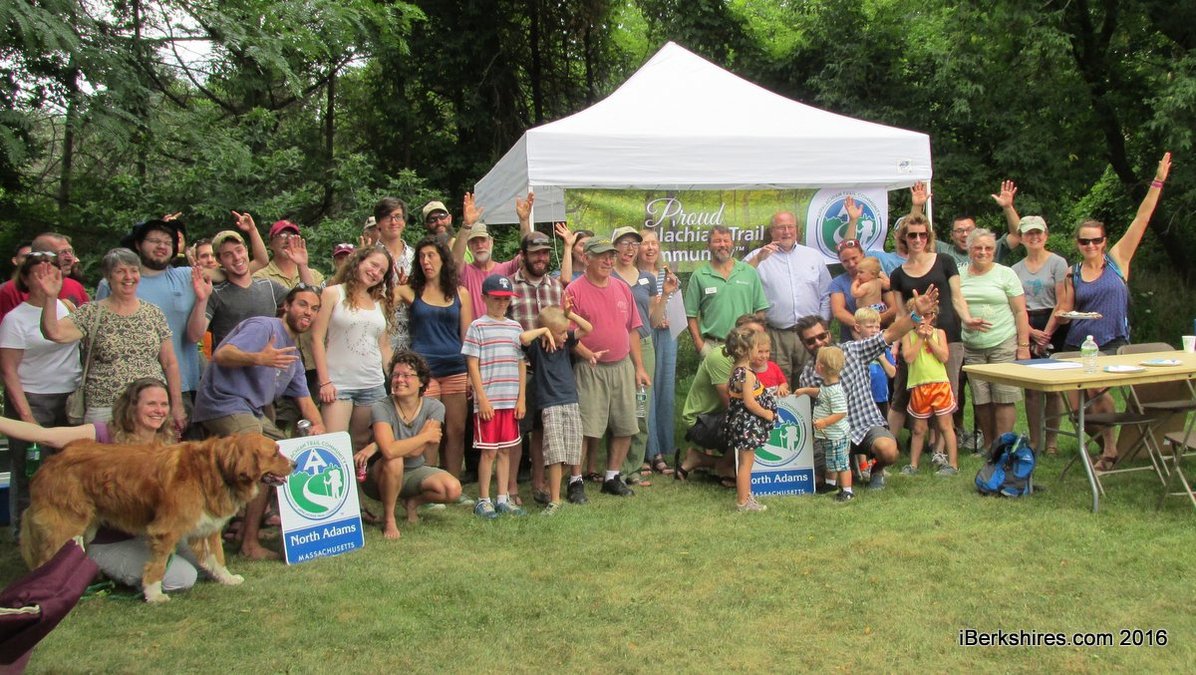
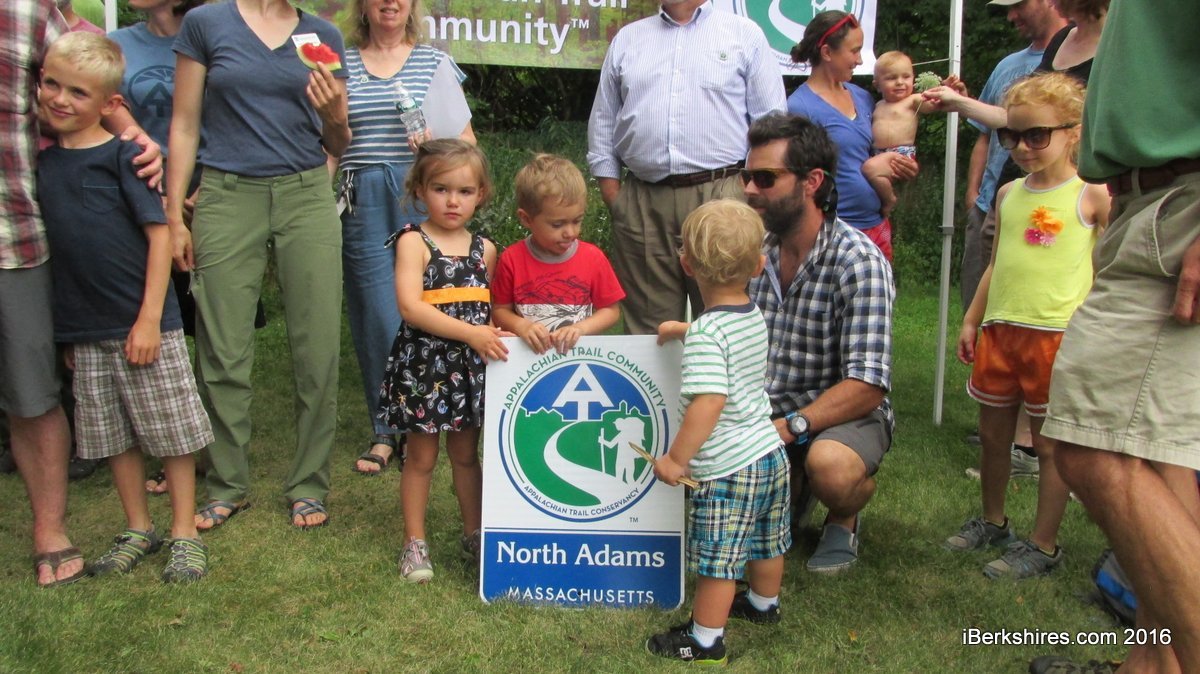
NORTH ADAMS, Mass. — The city on Saturday became an Appalachian Trail Community, the second in Massachusetts and the 39th along one of the nation's longest hiking trail.
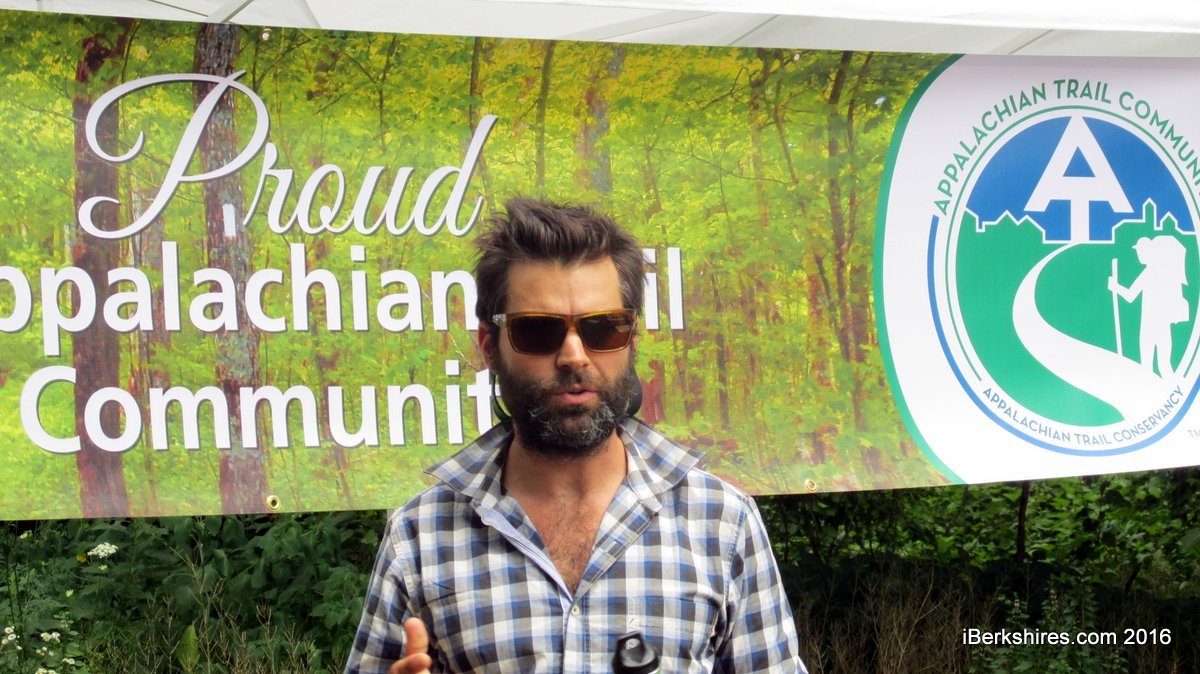
The three-year effort toward the designation was spearheaded by Joshua Moran, a neighbor of the trail and a city councilor, who sees the trail's presence as a major factor in presenting the city as the state's "outdoor capital."
"We are gaining traction and we're going to see North Adams the way I do, and I think it's the outdoor capital of the commonwealth," Moran said at Saturday's event near the AT kiosk at Greylock Elementary. "Now I just need you guys to continue to say that."
The 2,200-mile long trail completed in 1937 runs from Georgia to Maine, passing through 14 states. Great Barrington is the only other Appalachian Trail Community in the state. It is maintained by local clubs, the National Park Service, U.S. Forest Service, state Department of Conservation and Recreation, and the nonprofit Appalachian Trail Conservancy, which is using the designation to promote stewardship of the trail as a natural and economic resource.
The trail attracts nearly 3 million visitors a year, said Beth Critton, chairman of the conservancy's Stewardship Council.
Benton MacKaye, conservancy founder and the trail's initial planner, had "envisioned the trail as an economic catalyst" for the people and communities with which it connected, she said.
The AT runs over Mount Greylock and along Phelps Avenue, crossing Route 2 and a footbridge over the Hoosic River to Massachusetts Avenue, where it enters Clarksburg State Forest and meets the Long Trail at the Vermont border.
Mayor Richard Alcombright said the trail is one of the city's natural resource assets, noting how hikers have become a frequent visitors.
Both he and Moran spoke to the city's "real downtown" and it's easy access to its surrounding natural resources.
"When you look at the city we have significant green space," Moran said. "We have the natural setting and we have the cultural setting with the downtown."
"Many, many hikers walk down that sidewalk every year," said James Pelletier, chairman of the Massachusetts Appalachian Trail Management Committee. "Many of them will stop in town for a resupply maybe for a shower and a night in a hotel, maybe for a meal or to take a "zero day" ... but they come and add to this community.
"It's not just about the economics, it's about people making connections."
Julie Judkins, director of education and outreach, said other trail communities have shown their advocacy for the trail in different ways, from a Virginia town using fundraising pavers on the sidewalk that the AT runs on to leverage community grants to libraries lending backpacks for day hikers.
"Each community has a different flavor to what they are doing with the designation," she said. "Whether it be helping to educate youth and using it as an educational resource tool, having connections and networks regionally with other AT communities to use it as a sustainable tourism mechanism or working together on marketing campaigns how to grow the sectional hiker and day hiker opportunities."
The community program offers marketing opportunities and visibility through the conservancy, partnerships with land agencies and volunteers, and eligibility toward educational and community service programs.
Moran wants to encourage early awareness of the trail with a "trickle up" effect of getting kids interested and excited about hiking, with the idea that they will bring their parents along.
"I think what we have with the Appalachian Trail is absolutely amazing and I think too many people brush over it in their daily lives," he said of the reasons for pursuing the designation. "The larger portion is to conserve and make connections but a lot was local awareness."
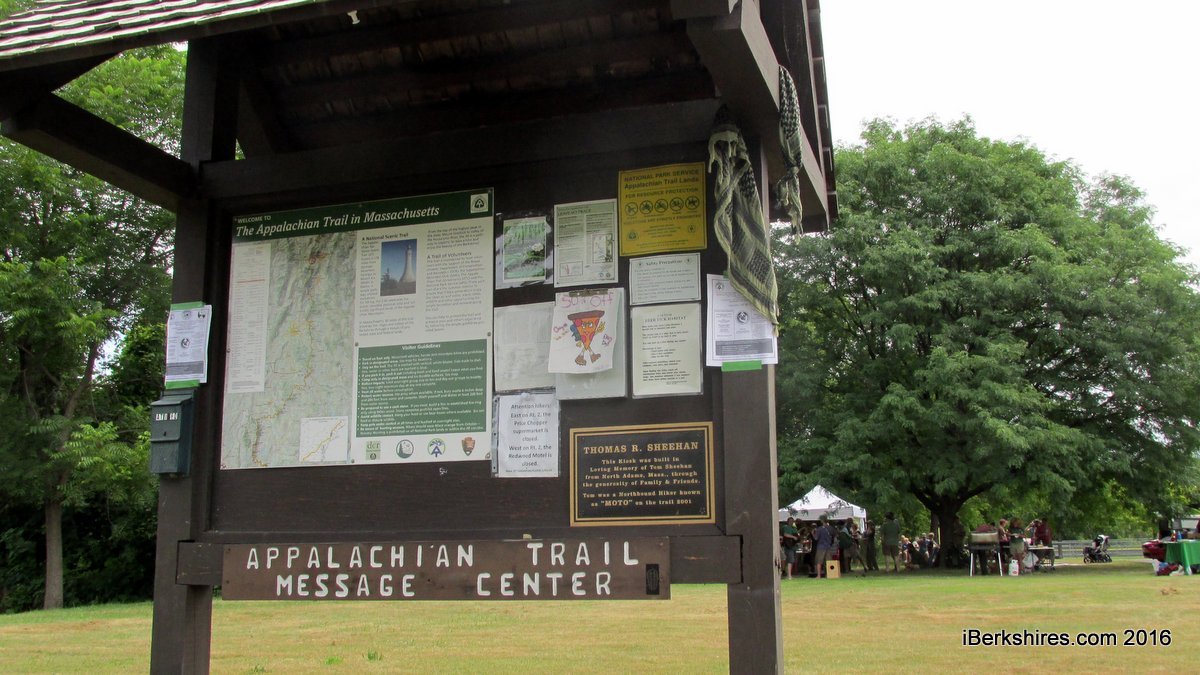
Over the last several years, the trail kiosk (memorialized to local AT hiker Thomas Sheehan) with information and maps was moved to a more prominent location on Phelps Avenue and a sign was posted at the Greylock Club to indicate it allowed hikers to park their cars there.
Both those actions helped to bring more notice that hikers were in or passing through the community, said Moran. It was not so much there are more people with backpacks around than residents were noticing them more, he said.
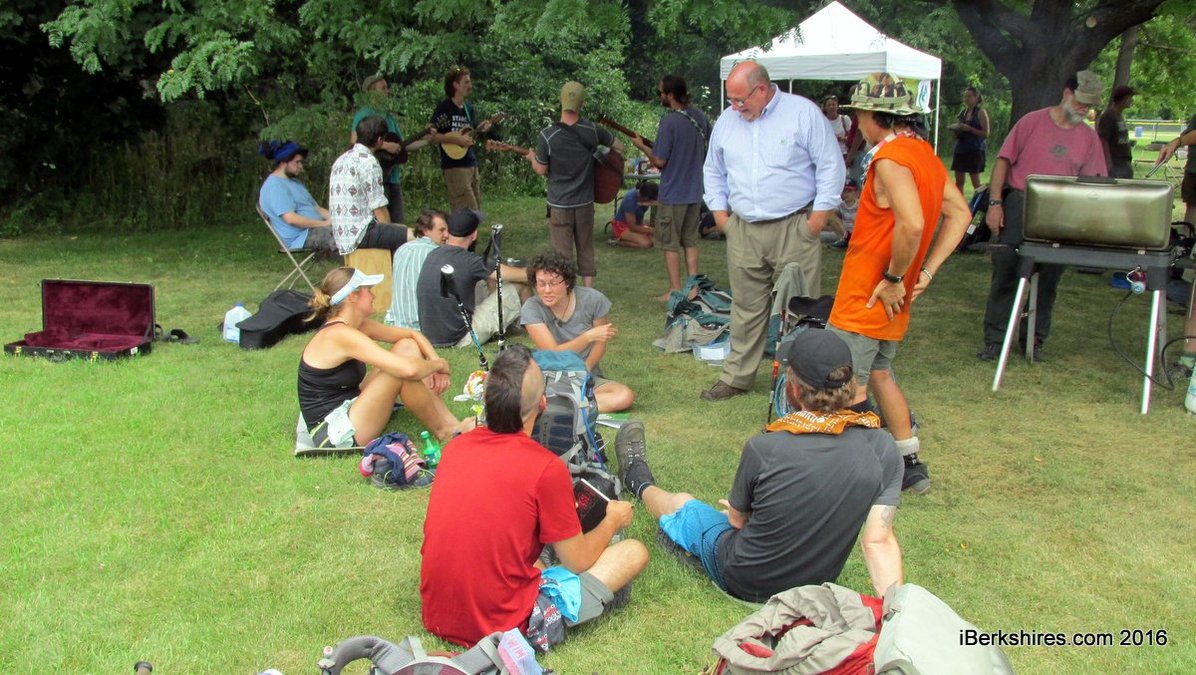
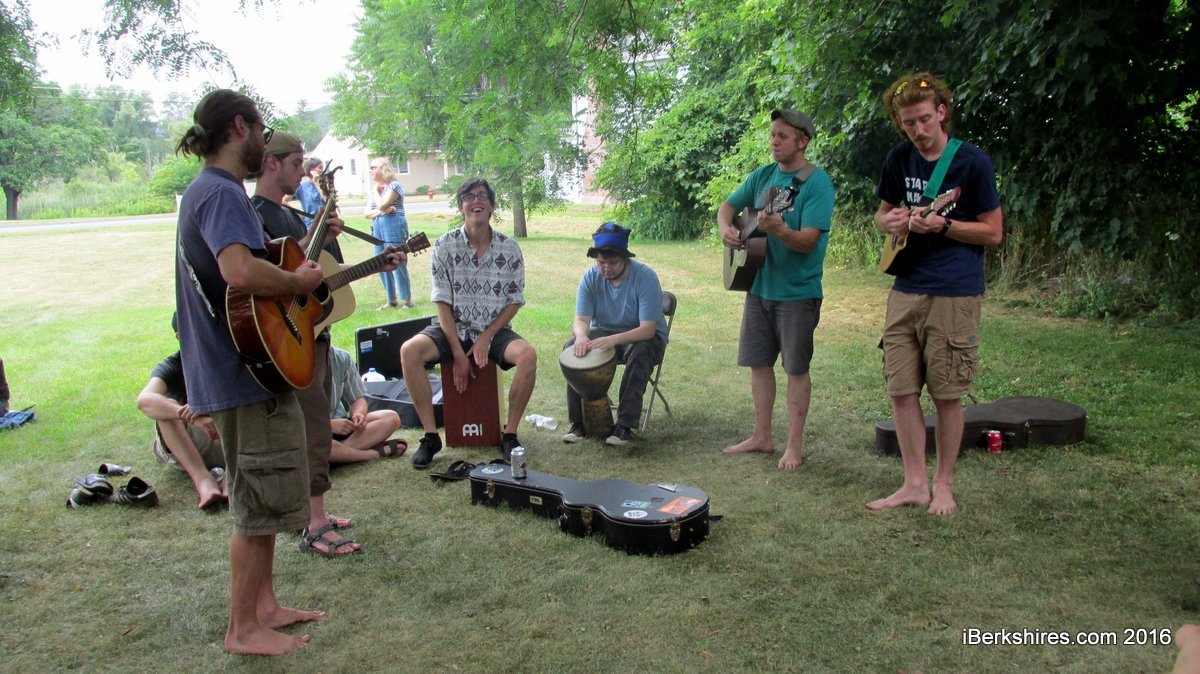
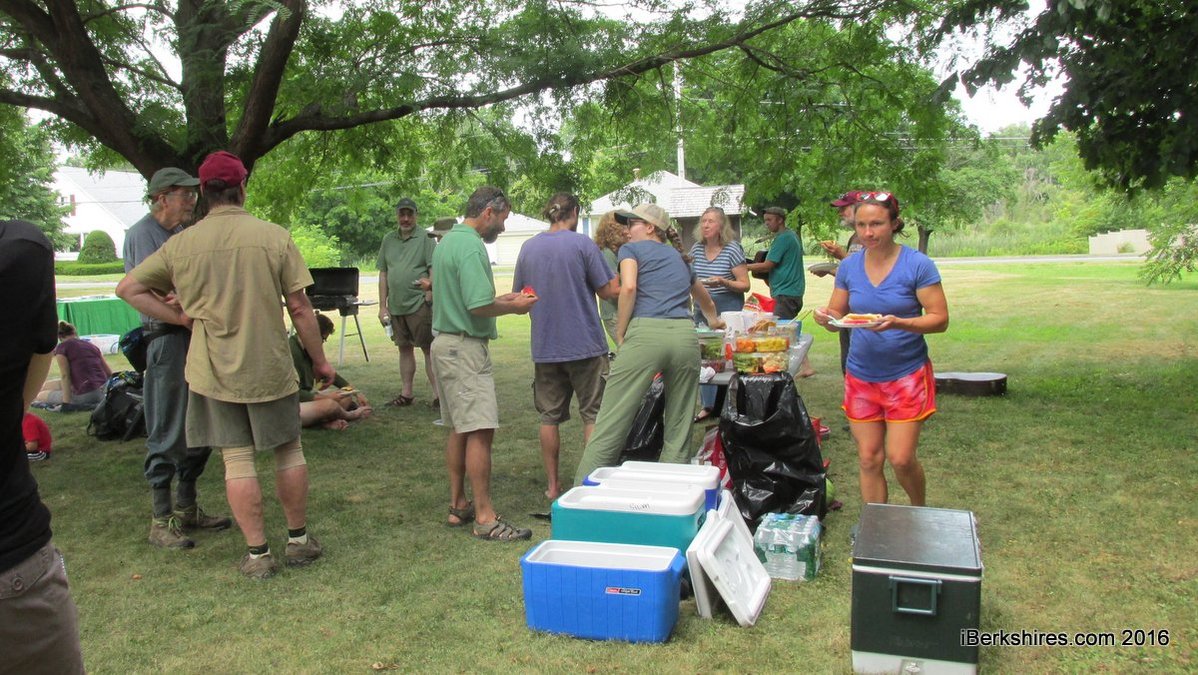
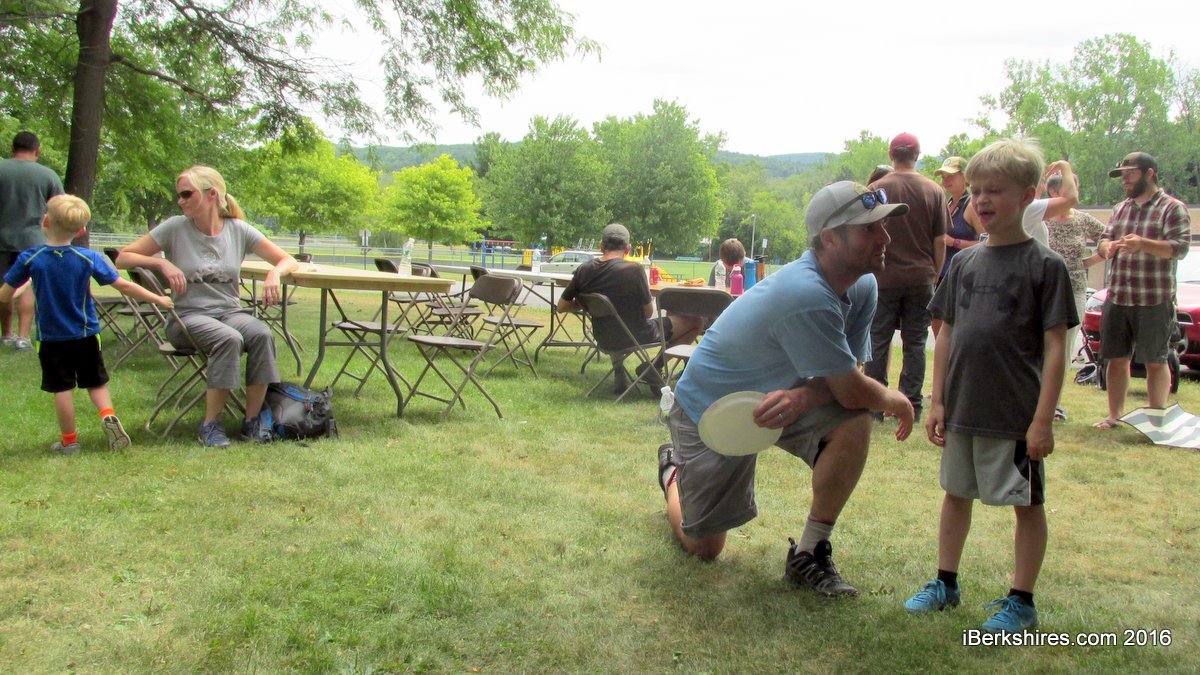
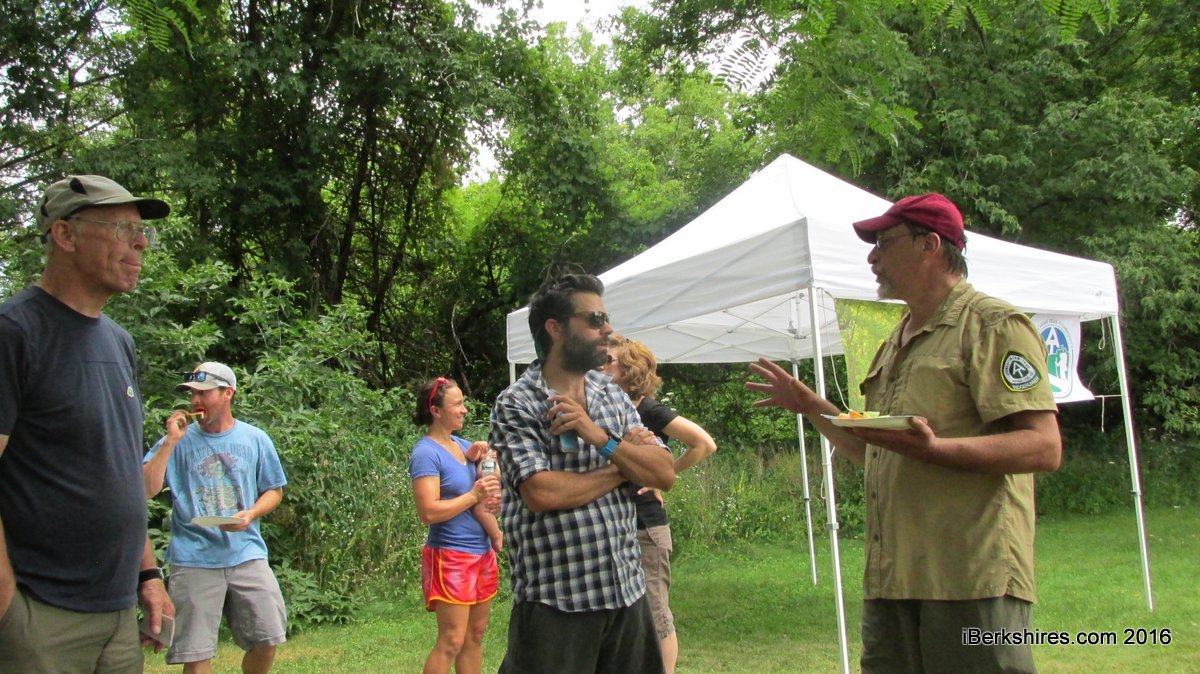
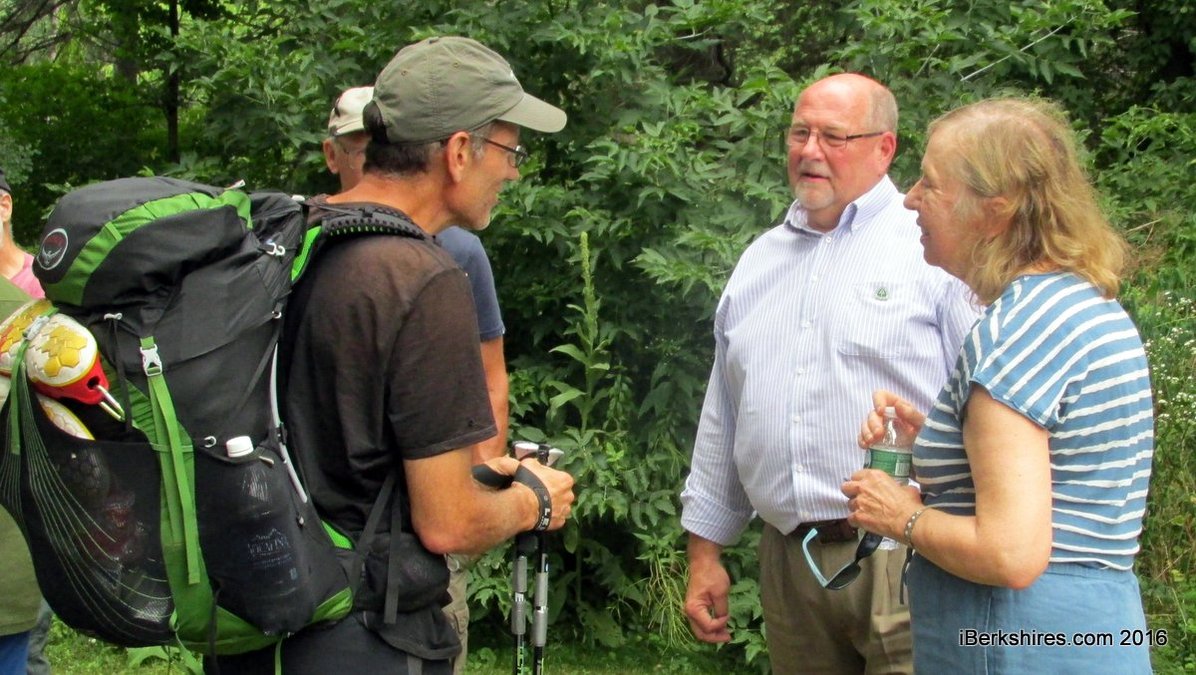
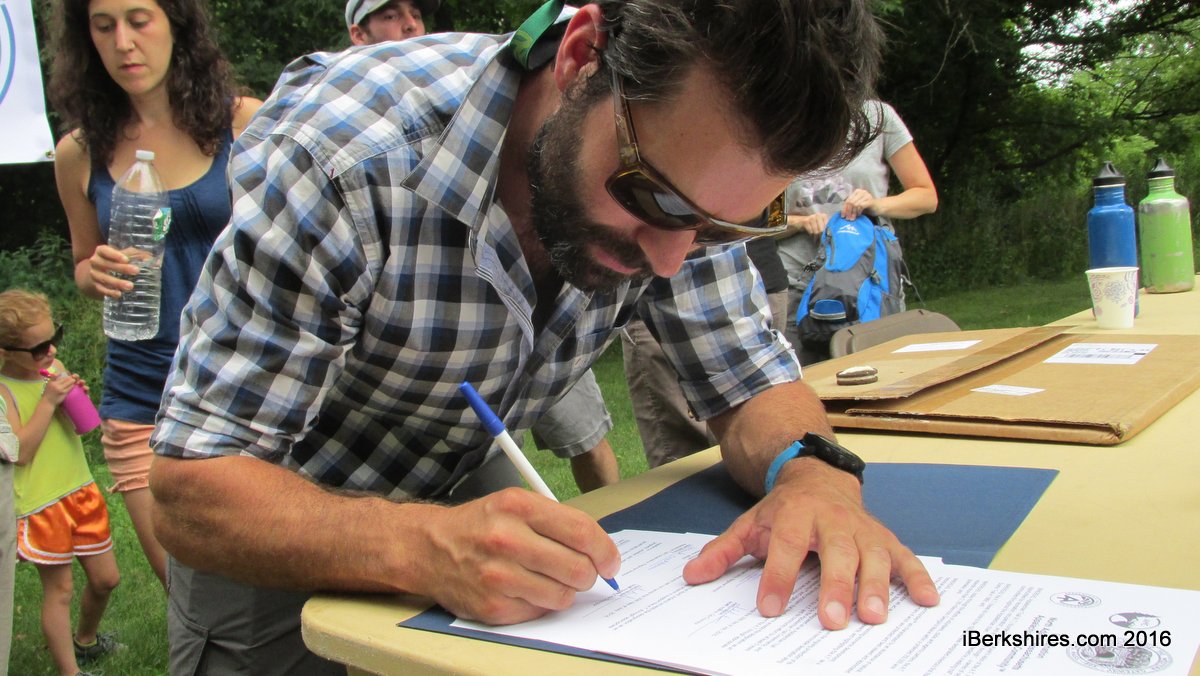
The shade tree by the kiosk is becoming a favorite break spot and a half-dozen or so hikers were there Saturday. A cookout and potluck with music by Common Folk followed a family hike and trail maintenance in the morning. A number of conservancy and state officials, trail advocates and others gathered for the designation ceremony and signing.
Emcee Hawk Metheny, director of ATC's New England Region, was the emcee and pointed to Moran's "persistence and vision" in arriving at this day.
Pelletier proffered a challenge to the community to "broaden and strengthen that connection to the Appalachian Trail so that this becomes an even bigger and more important part of your community as the days go forward."
Moran thinks that will happen, and could mean more growth, such as a hostel. But more importantly, he wants North Adams to embrace this amazing resource.
"There's no reason why everyone in this community, everyone in this neighborhood cannot continue to embrace what we have," he said. "It's free and not only is it free, others seek it out, other from outside the area."
Tags: Appalachian Trail,