Pittsfield Considering Lowering Speed Limits In 'Densely Settled' Areas
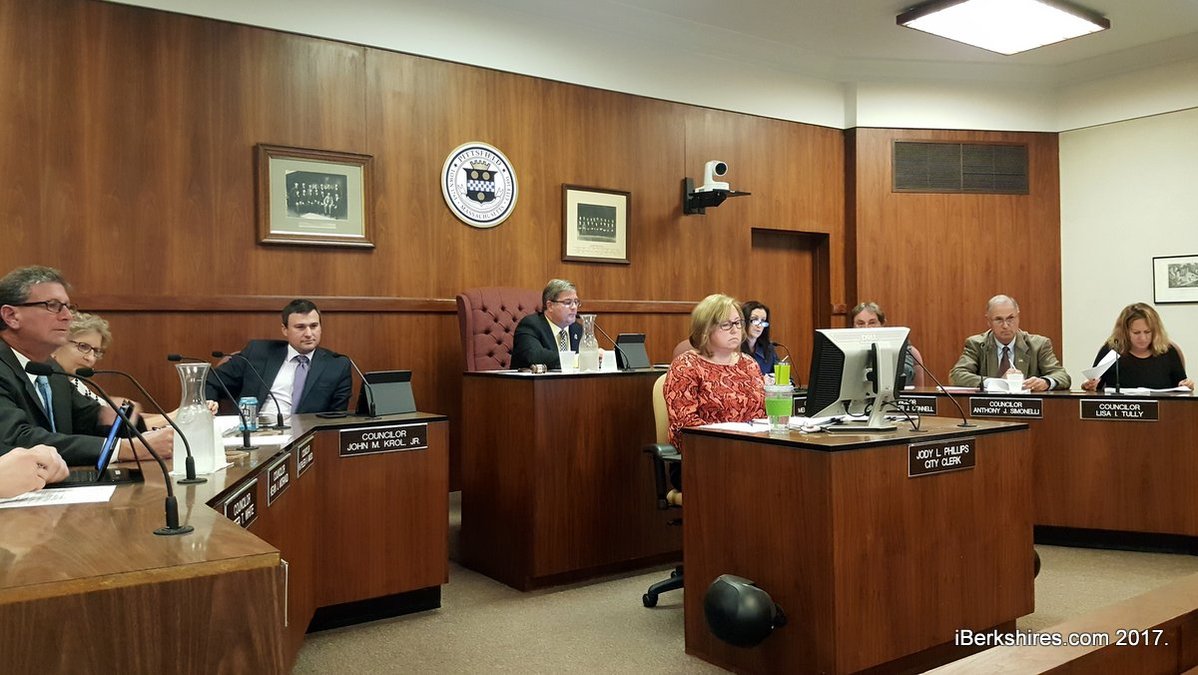
PITTSFIELD, Mass. — The City Council approved lowering the speed limits on Spring Street, on a section of Benedict Road, and in a section of Linden Street, to 25 miles per hour.
Those are just latest in a yearlong trend of individual roads being lowered. The state's Municipal Modernization Act went into effect just short a year ago, allowing councils to change speed limits in thickly settled or business districts without having a required speed study.
Ever since then, councilors have been filing petitions to do so in their wards. Now, Ward Councilor Nicholas Caccamo is preparing an order calling for the roads in those districts to be dropped all across the city - alleviating the paperwork and process for every individual road.
"Picking or choosing 10 streets doesn't serve the police well and it doesn't serve the drivers well," Caccamo said.
The council considered an omnibus bill last October, just before the act was enacted. But, City Solicitor Richard Dohoney said at the time that each individual road may have to be identified. Since then, however, Dohoney said about 50 percent of the towns who have used the provision had crafted overarching orders for all.
"We are doing it a right way, there are multiple ways to do it," Dohoney said on Tuesday.
Previously roads in thickly settled or business districts were 30 mph and the only way to lower that would be to petition the state. The state required a speed study done, paid for by the city, and the study would determine a speed limit based on actual speeds traveled by vehicles on the road.
Caccamo had previously submitted an omnibus petition, which is before the Traffic Commission, and Dohoney said he'd review that to ensure the legal language is proper. He said the petition doesn't have to be "exotic."
The city, however, has been having issues when it comes to making any changes with traffic. There have been numerous traffic petitions that the City Council approved but the recommendations were never implemented.
"I know a couple of us have some from well over a year we haven't heard anything back about," said Ward 4 Councilor Christopher Connell.
One of the most recent ones was a stop sign at the intersection of Pomeroy Avenue and East Housatonic Street. Ward 5 Councilor Donna Todd Rivers said she found City Council votes to implement a three-way stop there dating back to 2004 but it was never completed.
The City Council on Tuesday approved the Traffic Commission's recommendation that directs Turocy to look into tree trimming, install a solar flashing stop sign, and any other measures deemed appropriate at that intersection.
"This was a starting point just to see how this was going to work and if we are able to decrease the number of accidents occurring at this intersection," Connell said.
Commissioner of Public Services and Utilities David Turocy said that work has even further slowed this year because there is no city engineer. The position has been vacant since February and while Turocy said there have been numerous individuals interviewed for it, there is no candidate for the position right now.
Some of those traffic petitions require review from the engineer before being implemented.
Further, the City Council is looking to rework the process for which orders are passed. For years the City Council has approved reports from the Traffic Commission and then awaited an official traffic order to be written by the mayor's office. That order hasn't always made it back to the council for a vote. The council will now try to align the vote on the Traffic Commission's recommendation with the legal order for a traffic change.
"We will work on getting a system where if traffic votes on something, the order is ready too," City Council President Peter Marchetti said.
Dohoney said the mayor's office does reserve a veto right. Marchetti added that some changes also require the issuance of a legal notice and getting those posted and aligned with the council's vote will be considered as he works to smooth the process out.