Pittsfield Councilors: The City Can't Afford Police Walking Beats
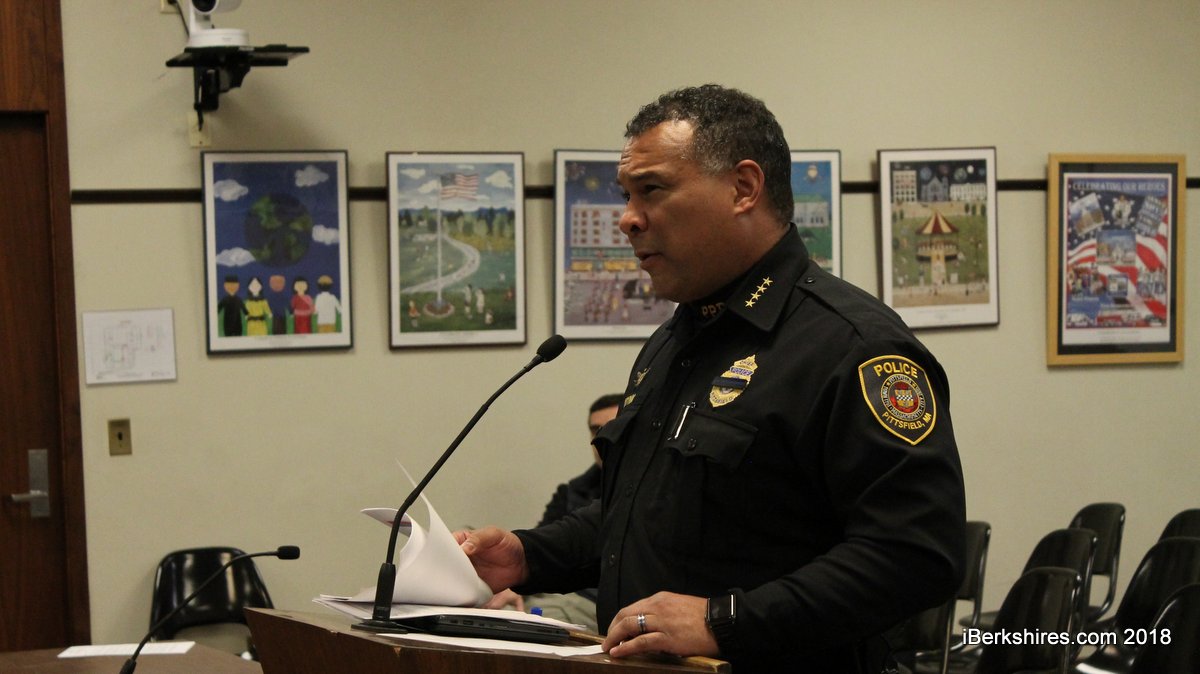
Police Chief Michael Wynn said he would love to implemented walking beats. But, right now the department has enough trouble keeping up with the call volume it has.
PITTSFIELD, Mass. — More than 600 residents believe the police should implement walking beats.
But the City Council says it can't afford to pay for them right now.
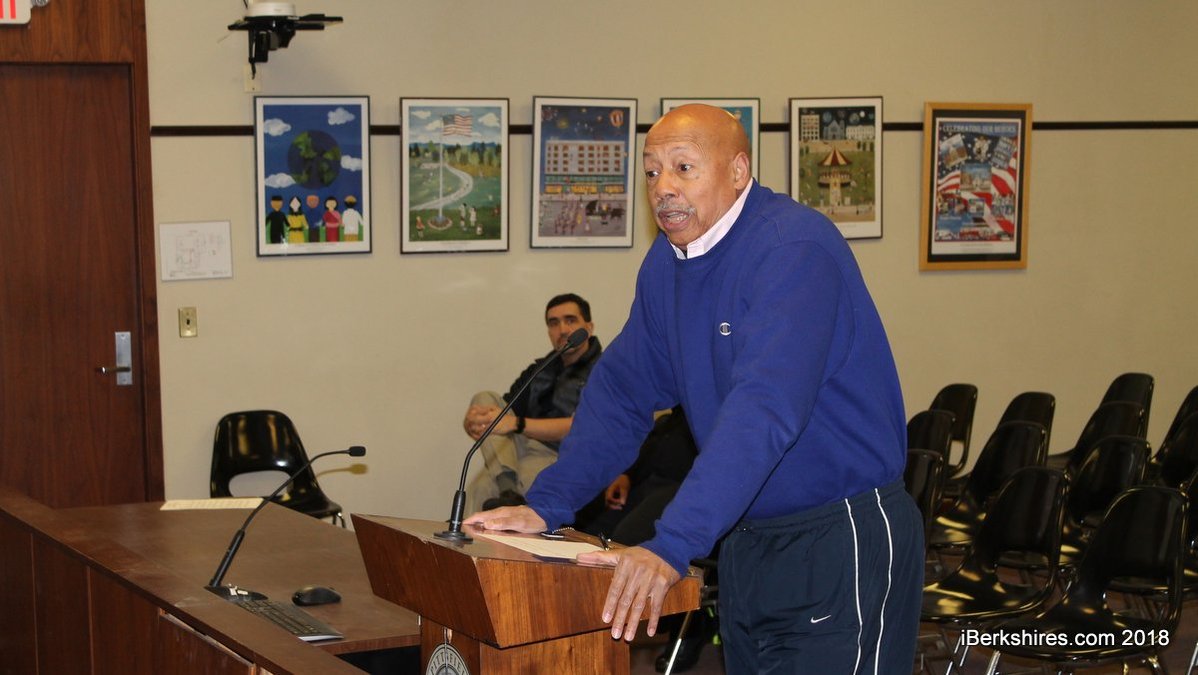
Will Singleton has petitioned the City Council to have walking beats, and proposed suggested routes for officers to walk, particularly in the west side. Singleton believes it would go a long way toward building positive relationships between the city's youth and the officers.
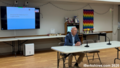
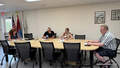
"I would prefer the police officers to walk. In that way they make contact with community members, people get to know each other. I would like to see it on a regular basis," Singleton said at Monday's meeting of the Committee on Public Health and Safety.
Singleton said he's heard from officers that when he drives through certain neighborhoods, the teens there curse and give the finger to the officer. He said that relationship needs to be mended so the residents know they can trust the officer and vice versa.
"The police officers are part of the community. It should not be them and us," he said.
Resident Linda Kelley said the first interaction between an officer and a child should be positive. She added that if officers are constantly walking the same beat they'll get invested in it and person by person positive change will occur.
"It is about relationships. I firmly believe that it makes a huge difference if the first experience a kid had with a police officer is a good one," she said.
And Vicki Kane said there needs to be more community policing and walking beats in the central part of the city will foster that. She added that hundreds of people who hadn't signed Singleton's petition have mentioned they support it too.
"We did collect 600 signatures. I feel those 600 people deserve to be heard," Kane said.
However, Police Chief Michael Wynn said he simply doesn't have the staffing to do it.
That is the same thing Wynn had said four years ago when downtown businesses petitioned for walking beats. Wynn said walking patrols are a supplement, not a replacement, of regular patrols and to do walking beats right, a new unit with a half-dozen officers would need to be created.
"If we take an officer and put them on a walking patrol, they are not a fully functional officer," Wynn said.
Wynn said policing has become call driven and that officers are handling some 43,000 calls for service per year. If an officer is not in a car on the beat, then he does not have the ability to transport a prisoner -- tying up another car for that -- isn't available to close a road in case of a fire, and can't carry medical supplies to answer those calls for help either, Wynn said. He estimates that a third of the officer's abilities are removed when pulled out of a cruiser.
He said walking beats would have to be supported by the regular cruiser patrols. And for that, the city still doesn't have enough staff -- despite the boost in the last two years.
"Until we get our staffing issues addressed and can fill the beats, this is always going to be secondary," Wynn said. "We are barely keeping pace with our motor controls right now."
The chief says he isn't opposed to walking beats and if he had the resources he'd implement them. The department has been bolstering its staffing levels and is bringing back some of the specialty units, starting with the traffic unit last year. But, right now there are only 89 officers available. Wynn said he'd like to have 110 available officers.
The chief said he looked back at the history of walking beats, which haven't been truly done since the 1970s. There had been 10 officers covering 28 blocks. But Singleton's petition asks for 78 blocks, so Wynn said it would take about 30 officers to fill that.
Without that number available, Wynn said the department could resort to having patrols done on an overtime basis -- allowing for the regular mobile patrols and the walking. But for just two officers, that would cost an estimated $4,300 a week.
"If I had enough officers, I would implement walking patrol. But I don't," Wynn said.
Overtime was used 2013 and 2014 when the community pushed for downtown foot patrols. It was ultimately halted but after a few months, those additional patrols were on pace to cost $100,000. What did come out of that push was the creation of a downtown ambassador program, which brings more eyes and ears to North Street during the summer.
On Monday, City Councilor Peter White estimated it would cost more than $200,000 to do walking beats with two officers in the Westside and Morningside areas. Council President Peter Marchetti added that 70 percent of the Police Department's overtime budget was already spent.
Councilor Helen Moon remembers working downtown when there were bicycle patrols. She said that made a huge difference in allowing her to feel safe.
"I felt much safer knowing this police officer was there," Moon said. "I would like to see this move forward. I think our community would feel more secure. But I can also understand the funding part of it."
The bicycle patrols in the past had been grant funded, according to Wynn. He said there are still a few officers trained for bicycle patrol and, on overtime, they will go out during the summer's busier evenings. But when the community policing grant money dried up in 2008, so did many of those types of programs.
"That money is gone. We haven't seen community policing money to enable us to do things like that since 2008," Wynn said.
Wynn himself was a bicycle cop, covering the Morningside area, back in the 1990s. Then the city also had substations for community policing and other programs.
The chief said he is still committed to the philosophy of community policing, and that is shown by continued support for the DARE program and urging officers to go into schools. But, funding tactics like walking beats isn't feasible.
"I think you are going in the right direction with what's happening [with community policing]," Councilor Melissa Mazzeo said.
Wynn has also implemented a park and walk program in which he asks officers to get out of their cruisers for 15 minutes a day. It is a small step toward the walking beat concept without jeopardizing the calls for service. Wynn said there have been more than 700 of those walks documented.
The tides are shifting somewhat, he said, and he hopes eventually more federal funds for community policing efforts will be available. And the City Council's Public Health and Safety Committee has opted to send Singleton's petition to state and federal officials as a form of advocacy to get that money directed there.
Tags: community policing, Pittsfield Police, public safety committee,