Pittsfield Seeks to Revamp Downtown Zoning

City officials are encouraging mixed-use development of older buildings like the Onota Building but current zoning requires extra permitting. A new form-based zoning would focus on building, not use.
The department is closing in on new zoning for the downtown district that will open up the possibilities for businesses to seek permits by right. The adoption of form-based zoning would be a switch from dictating uses to focusing on what any type of redevelopment would look like.
"We don't necessarily care as much about what uses are in those buildings," said Emily Innes, director of planning at design and planning firm Harriman of Boston.
Innes said traditional zoning is mostly focused on separating different types of uses and dictating what a city doesn't want. Form-based zoning makes it easier for mixed uses.
For example, it was only a decade or so ago when the city's zoning for the downtown was solely for commercial properties. There wasn't an option for buildings to have housing on upper floors with commercial on the first floor. But about 12 years ago, the city created an overlay that allowed some additional flexibility, provided that the developers had received a special permit.
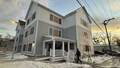
When Allegrone sought to redevelop the Onota Building, the developer still needed to go through a public hearing and apply for a special permit on top of the traditional building permits. Yet, that project was exactly what city officials had hoped to see in the aging buildings.
The city had expanded that district but it still had some restrictions. Now, officials are looking to scrap the zoning in place for the downtown and put in a new one. Essentially, the new zoning is focused on how the building would appear, alleviating the special permit process for a developer if the design includes having first-floor windows to see in and out of, the building is the appropriate height for the given parcel, has certain setbacks and dimensional standards, or has the a facade that meshes with the rest of the buildings.
"It regulates by the form of the actual building," Innis said.
Conventional zoning usually focuses on separating uses such as industrial from residential and residential from commercial. Form-based zoning looks more at the form, scale, appearance, and how those match with the type of street and block.
The new guidelines essentially break down by streets and frontages — primary, secondary, transitional, and residential.
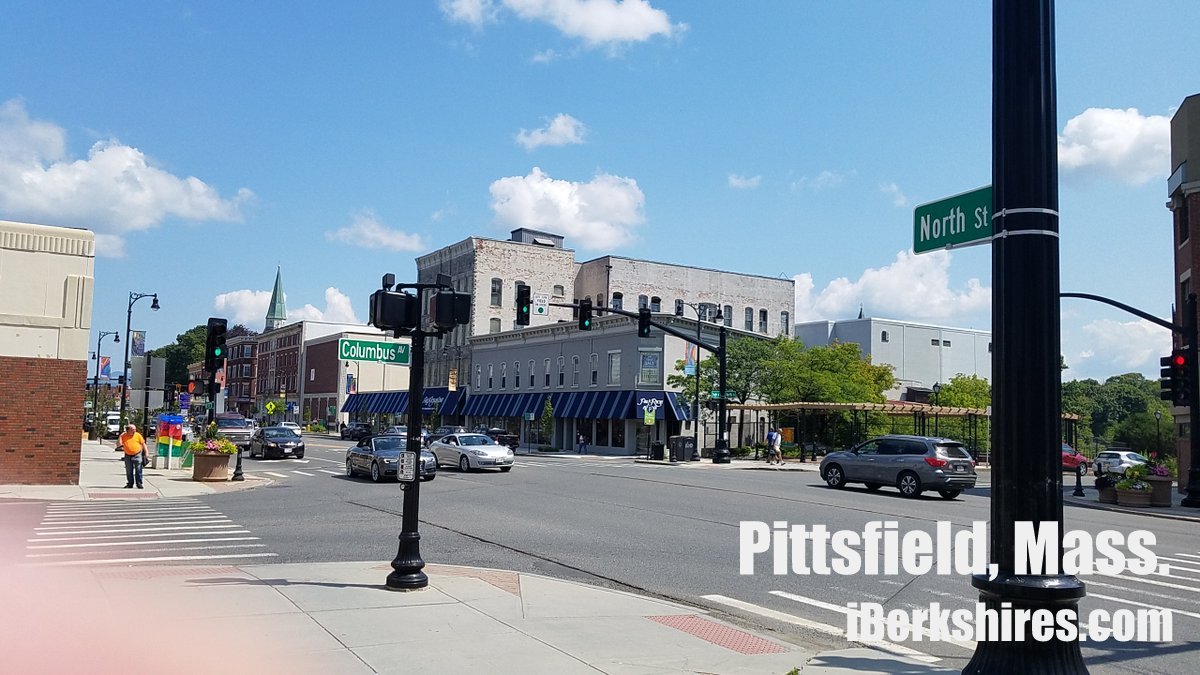
North and South Street would be considered primary and would allow for a greater height but also have stronger requirements for the first floors. The secondary streets are the ones that feed into downtown. Those would have a lower building height restriction and also different appearance standards. Transitional streets are the ones currently downtown mostly used for parking for the downtown. These smaller streets would have their own standards. Residential would be the traditional residential.
The map essentially lays out how the downtown district transitions from the main North Street and transitions into secondary commercial areas and into residential areas. The zoning would set the standards as to how the city wants downtown to look. A company could look at the map and see how a particular parcel aligns in the downtown and what specific standards for each frontage would be.
"We view this as a way — whether it is someone who has lived here all their lives or a developer outside of the area — they will have a clear idea of what we are trying to do," said City Planner CJ Hoss.
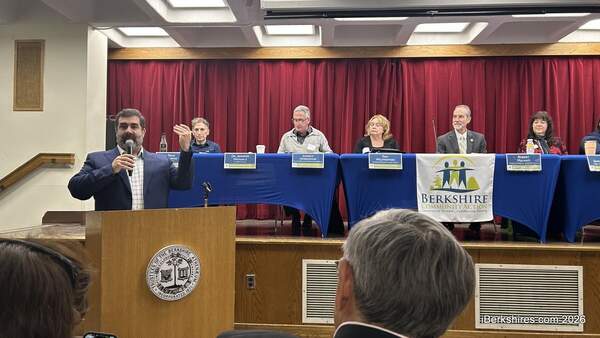
Innes said the standards were developed after multiple public meetings. Some of the key pieces of feedback she heard were that residents want to preserve the historic architecture of the downtown, there was a desire for more foot traffic and parking standards.
But Innes said the plan isn't going to fully eliminate the use table that has been traditional. She said there will still be certain uses that will be excluded from being developed by right and would either be completely disallowed or there would be a waiver or special permit process. However, exactly what that will look like is still to come. Right now, the focus is on crafting the development standards the city wants in its downtown and having that lead the way in directing development.
"This is going to feel like a hybrid. We are talking about form but there are uses as part of it," Innis said.
Hoss said the goal is to add flexibility to development in a world where a retail storefront isn't as much in demand. But, there are still creative mixed uses going on in buildings. He said not all of those uses "fit into a nice clean box" that current zoning regulations require.
"A lot of it is trying to be clear about what we want and flexible," Hoss said.
Hoss said the Onota Building is one of five or six downtown projects in recent years that comply with this type of zoning but had to jump through an extra hoop because of the current standards.
"It is the exact kind of development we are encouraging so there is no need to put them through the process," Hoss said.
Form-based zoning isn't currently widely used and Hoss said the eventual adoption of it in the downtown could only be a start. Eventually, the city could move to form based throughout but officials want to first see how it unfolds in the downtown.
"One of the difficult things about this is that it is a lot of parcel-by-parcel analysis and that is why we thought it would make sense to have a test area first," Hoss said.
Any changes to the zoning would have little effect to currently existing property owners, and Hoss said the threshold for requiring a current owner to comply with the new regulations would be set low in order to be business-friendly.
"It is not just what is there now but what should be there in the future," Innis said.
The development of the zoning guidelines was paid for by a state grant of $48,000 awarded in 2017.
Tags: downtown, mixed use, zoning,