Health-Care Officials Urge People Not to Delay Medical Help
PITTSFIELD, Mass. — People delaying their medical care is emerging as a byproduct of the novel coronavirus pandemic.
It's become so apparent, that six Boston teaching hospitals have partnered on a series of public service announcements urging people not to put off contacting their doctors or avoid emergency rooms because of COVID-19 fears.
"We're not seeing the same number of patients coming to our emergency departments with strokes, with heart attacks, with traumas," said Dr. Michael Apkon, CEO of Tufts Medical Center, who with two other hospital officials spoke at Gov. Charlie Baker's daily COVID-19 update on Thursday. "In fact, we're seeing about half of the activity that we would normally see during the month of April."
Part of the reduction can be explained by the stay-home advisories that are keeping people off roads and at home. But all three said there has been a significant dip in emergency room admissions regarding stroke and cardiac symptoms, and delays in treatment for children.
"Our concern is that fear is leading to adverse outcomes," Apkon said. "We've seen children coming to the hospital after having several days of abdominal pain and coming with a ruptured appendix. We've seen patients with symptoms of stroke that are staying at home, long beyond the point at which medications that would markedly improve their outcome could safely be delivered."
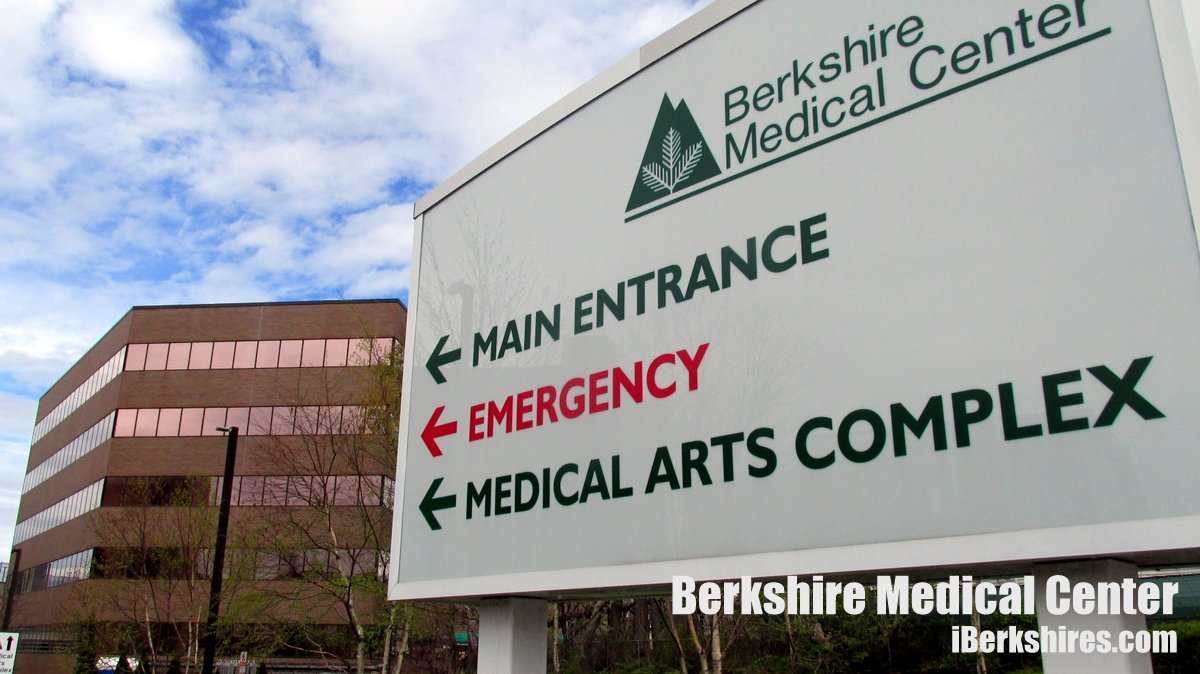
There's definitely a sense of fear in the community about going to a hospital because that's where COVID-19 patients are being treated, said Dr. James Lederer, chief medical officer of Berkshire Medical Center in a recent interview.
"If you think you need help then come to the emergency room, come to our urgent care centers, that's what we're here for," Lederer said last week. "We are wearing our protective equipment, we will place a mask on you and your loved ones when they come into our facility so they're protected."
Lederer said Berkshire Medical is taking precautions to make it as safe as possible for people seeking care for medical issues other than the novel coronavirus. Berkshire County has high incidences of heart disease, diabetes, strokes and other chronic diseases that won't get better by ignoring them.
"We've seen some deaths in the community that are very upsetting to us because they were young patients, and they were preventable and our fear is that ... they were concerned about coming here because this is where the COVID virus is," he said.
Nancy Shendell-Falik, president of Baystate Medical Center in Springfield, speaking in Boston on Thursday said her hospital has seen an 80 percent decline in patients with stroke symptoms over the past month.
"Those patients are starting to arrive at Baystate Medical Center. They are seriously ill. And many of them have lifelong debilitating consequences to waiting," she said. The cardiac care unit has not seen as much of a drop off, but many patients are coming in after waiting two or three days.
And, as Greg Meyer, chief clinical officer for Partners HealthCare, also described, Baystate has seen an increase in amputations because people are waiting too long to address vascular diseases. Western Massachusetts' largest hospital normally sees 120 children a day in its pediatric emergency department; now it's averaging about 25 to 30.
Baker said the dramatic increase in intensive care capacity across the state to address the pandemic means hospitals are better prepared to deal with coronavirus patients as well as other acute medical cases.
"We don't want people getting sicker or exacerbating an illness or an injury," the governor said. "And it's important that people are cared for when they're sick, whether that's for COVID-19, or for something else."
Lederer, speaking last week, said Berkshire Medical's emergency department, urgent care center and physician practices are there to provide some comfort and capacity to "re-engage" with the health-care community. The governor's admonitions to stay home are correct, but not if you're in a health-care crisis, he said.
"Health care is what we do, we're here for our community and we're here for your needs and staying home sometimes might seem like the safest to you and it's certainly listening to what the governor says, but sometimes, you know, you need to recognize when it's beyond something you can manage on your own and come in and get help," he said.
Tags: COVID-19,
More Coronavirus Updates