Common Folk Virtually Supporting Local Artists
NORTH ADAMS, Mass. — The Common Folk artists collective is doing its part to support the creative community during the pandemic.
With COVID-19 shuttering the downtown the collective knew it was important to find ways to protect the creative community and keep them together.
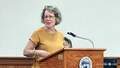
"Without the members, the collective isn't a collective," Common Folk's communications director Makayla-Courtney McGeeney said. "Sticking together and having everyone on the same page helps the organization grow and continue to offer benefits, even if things shift a little."
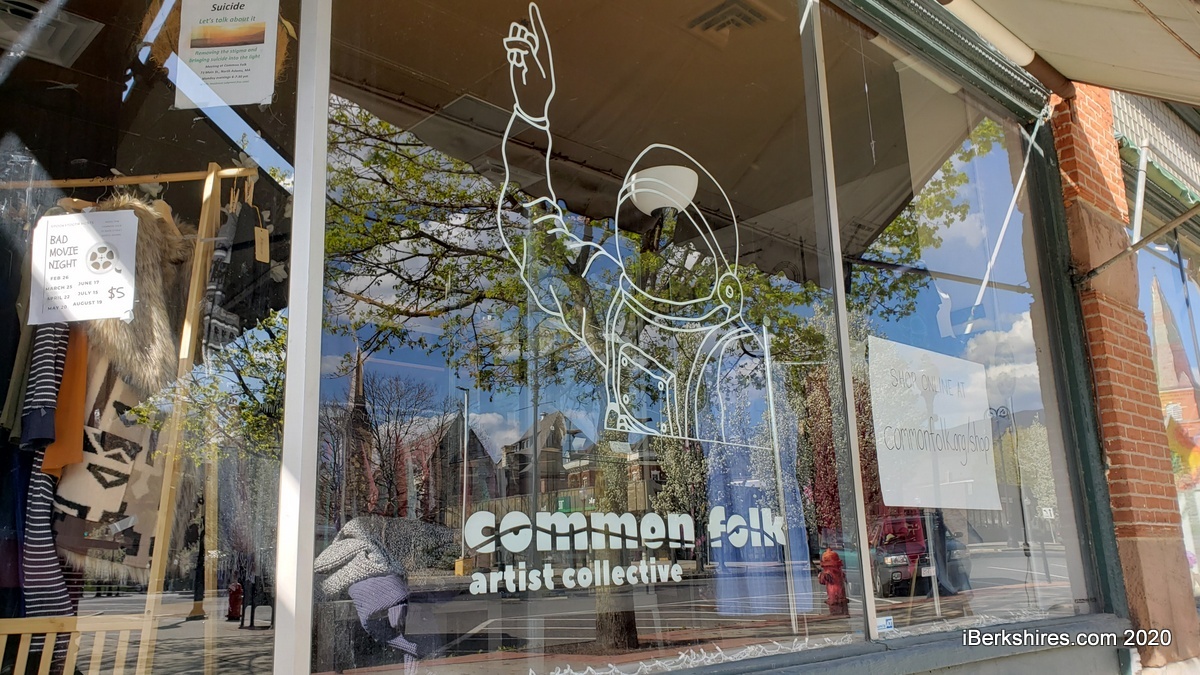
She said a majority of members have benefited from selling their work in the Common Folk store on Main Street as well as in other stores and restaurants throughout the city. With the city essentially shut down, there are no longer physical venues to share work.

So Common Folks, like so many outlets, has moved art sales online for the time being.
But the novel coronavirus pandemic has caused deeper concerns among members, with many creative people losing their income.
"A large majority of creative people do not work full time in their craft. In the midst of COVID-19, many lost their part-time jobs in addition to losing access to creative resources," McGeeney said.
Common Folk is part of the North Adams Artist Impact Coalition, a larger group of cultural organizations intended to combine efforts in order to better serve area artists.
Members of the collective include various independent artists, musicians who have canceled tours and taken to livestreaming performances, and even staff from Massachusetts Museum of Contemporary Art who have been laid off.
"We are firm believers in collective action. We see first hand the significant benefits of people working together towards a common goal," Creative Director Jessica Sweeny said. "The North Adams Artist Impact Coalition is a bigger collaborative comprised of all stakeholders in the creative world here. And we are working together with data that we have collected locally to address the needs of the creative people that live here."
Beyond more tangible resources the two groups also look to keep the artist community connected when they are forced to be apart. McGeeney said they are hosting virtual craft nights as well as open "Common Ground" discussions.
They also look to share member art on social media, art supplies and other pick-me-ups. This is something they extended to the entire community through Community Supported Art (CSA) boxes.
"When things started to shake up with Covid-19 in March, it seemed like a good time to sprinkle a little love around the community," Sweeny said. "This idea was also an equitable way to support all the members who sell work in our brick and mortar while we worked to build out our online store."
McGeeney said the member-curated boxes are themed. She said they put together a date night box with hand made wooden spoons and even a cabin fever box with VHS tapes, CDs, and records.
They also believed it to be important to supply their members and the community with art supplies so they can keep on creating
"We also knew that no one would want to go to the store, especially just for art supplies, and in order to create at home, they needed supplies," McGeeney said. "While everything in the world changed each day, we gradually adjusted our store to meet the needs of our members and the public. Shortly after, creator members signed up to sell their own curated boxes of their specific items, similar to having their own retail spot in our physical store."
Sweeny said Common Folk by nature is flexible and throughout its existence, has adapted to different scenarios. She cited the members long search for a space of their own and noted for many years they were essentially "nomadic."
"Adapting has been important to us far before COVID-19 affected the globe," she said. "An artist collective only works to directly serve the members and their needs, so when those needs shift, we shift."
Sweeny said it is important to not only support each other and local businesses during the pandemic but also the creative community.
"The artist community is threaded between all facets of a community," she said. "They work at our favorite restaurants, they are volunteers for critical emergency and essential services, they work for essential services, they are our favorite entertainers, and keep us inspired. And we all could use a little inspiration right now."
Tags: common folk, COVID-19,
More Coronavirus Updates