Pittsfield Parks Commission Suggests New Location for Pump Track
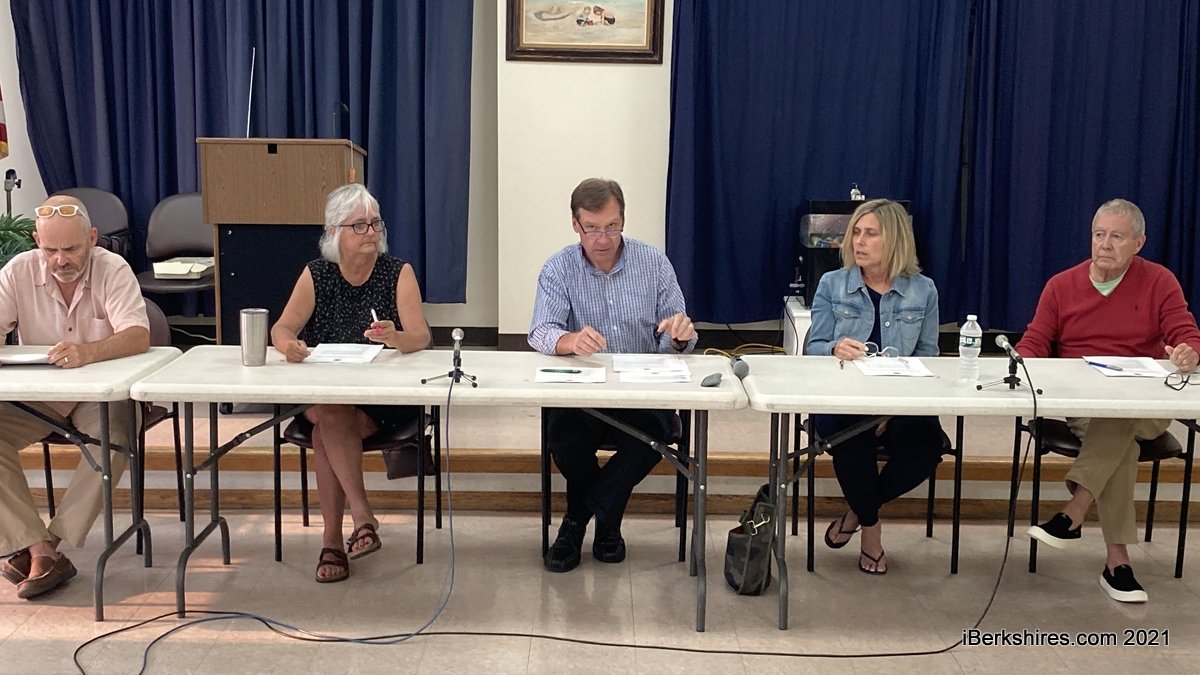
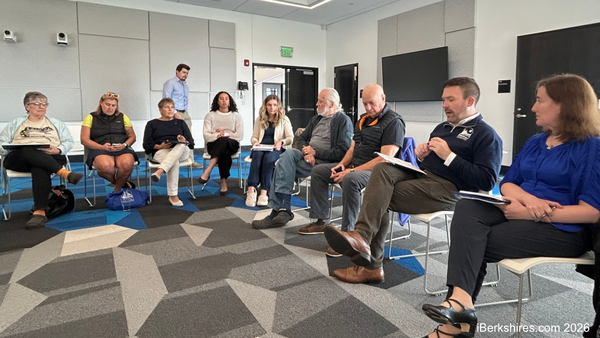
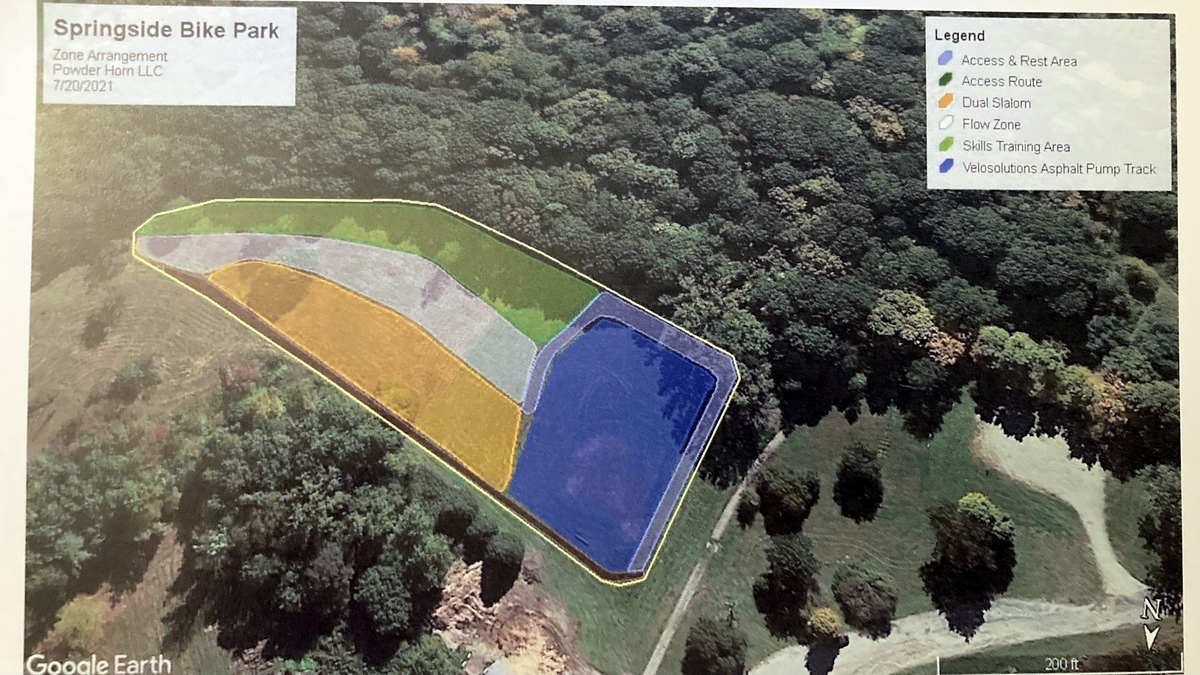
PITTSFIELD, Mass. — The Parks Commission continues to mull the possibility of a 2.3-acre pump track and bike skills course at Springside Park, suggesting Tuesday it be moved to the southern part of the site.
Commissioners also recommended that the project leaders file a request for determination of applicability (RDA) to be reviewed by the Conservation Commission.
Chairman Anthony DeMartino spoke to Conservation Agent Robert Van Der Kar about the project following a site visit and a public hearing early this month. Van Der Kar's recommendations included filing an RDA for construction near wetlands, seeking input from the Conservation Commission, and keeping stormwater management in mind.
"The filing of the RDA, the request for determination of applicability, sets in motion an action whereby the commission will determine where these resource areas are," Park, Open Space, and Natural Resource Program Manager James McGrath explained.
The project — which is a continuous loop of contoured and groomed riding surfaces — is being proposed by the Berkshire chapter of the New England Mountain Bike Association and is being designed by Powder Horn Trail Co. with fundraising done by NEMBA independently from the city or park.
In January, the commission approved the location and concept for the project. Since the pump track's introduction last year, it has generated many public comments in opposition and support.
It is not proposed to be within a 100-foot buffer zone from the wetlands, but the originally suggested location northeast of the north playground concerned the commission more than the southern location where a baseball field previously stood.
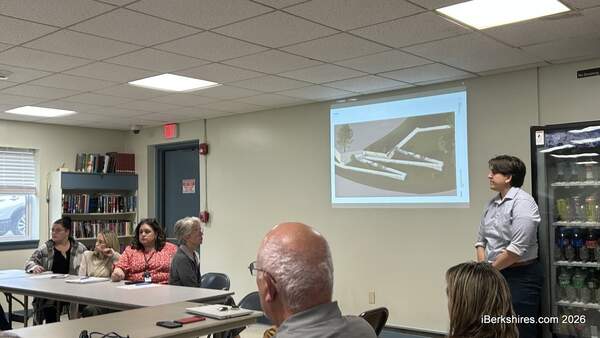
In accordance with the commission's requests, Berkshire NEMBA Chapter President Alison McGee and Powder Horn Trail Co. owner Will Conroy brought updated versions of the design plan that consider the new placement.
Commissioner Clifford Nilan said these discussions are premature before the Conservation Commission weighs in. He has expressed concerns over NEMBA being responsible for the facility's maintenance and recognized that creating a memorandum of understanding (MOU) for the agreement takes time.
"The very first question I think we need to ask based on conversations is, first of all, are we comfortable with a private-public partnership," Commissioner Simon Muil said. "And second, do we think subject to opinions of the Conservation Commission or anyone else, that Springside is the right place to have the park."
Both Muil and DeMartino said they are in support of the city's partnership with a private entity, as it takes these kinds of initiatives to better city parks.
The commission also discussed taking a slower phased approach to allow for time to observe the facility's effects on the surrounding environment and the public interest in it.
McGee and Conroy addressed several concerns that were brought up during the public hearing.
She assured the commission that it wouldn't be Berkshire NEMBA signing an MOU, but the New England-wide NEMBA that has been around for 35 years.
"It really does rely on investment from the community, we've been investing time, we're investing the money that we're going to fundraise, many of the people who have spoken up have donated, and I think people will continue to donate," she added.
"So there is a physical buy-in that's happening by community members because they want to see it and they want it to be upheld, so I do think that is there as an assurance."
Powder Horn Trail Co. specializes in designs that work with the natural resources surrounding a facility and has applied those morals to this design.
"I think my understanding was that it wasn't a wetland," McGee said. "I respect the idea of making certain of everything, as we were saying throughout the proposal, we do care about the environment and so that is an important part for us to understand."
Conroy explained that the tread surface of the track would cover a little over half an acre, leaving about 75 percent of the finished project for green space.
"They could hire me to come back and do a maintenance whether it's yearly or whether it's twice a summer," Conroy added. "And there are other companies out there, too, even if they were to hire a local landscaping company to come in and do the string trimming or mow the grass, that's an option that can be accomplished pretty easily."
Following the submission of an RDA by Thursday, this project will be on the agenda for the next Conservation Commission meeting in early August.
Tags: bicycle, parks commission, Springside Park,