Pittsfield Solicitor Says Bike Track Consistent With Springside Park Uses
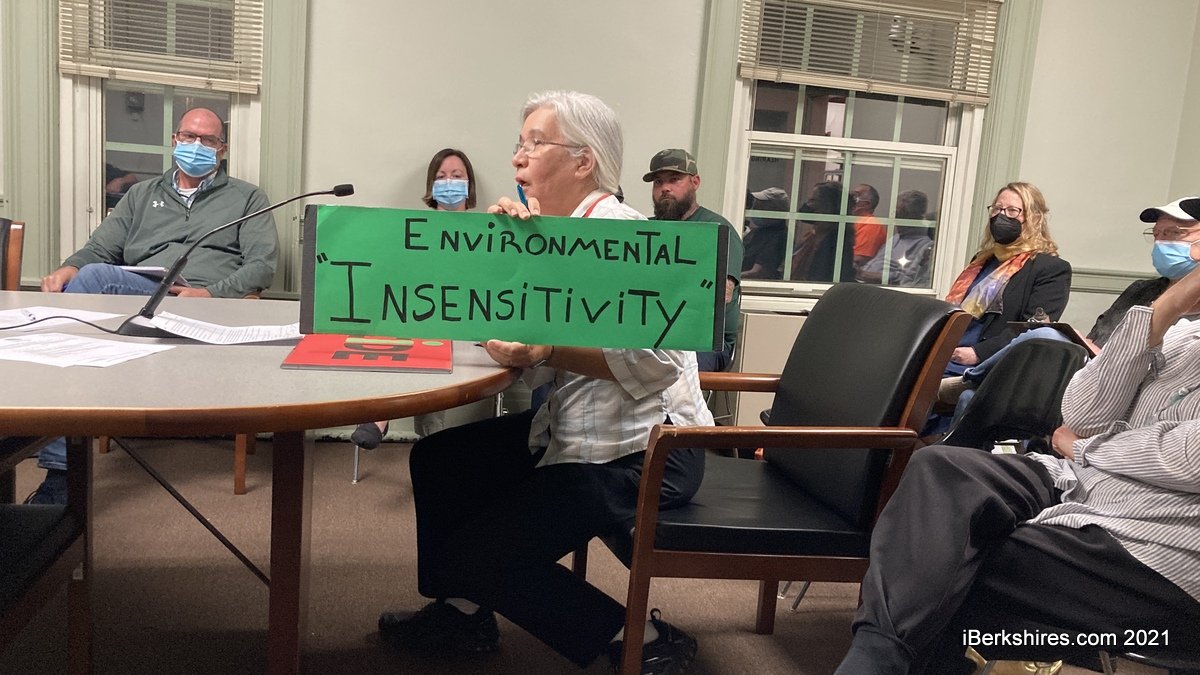
Zura Capelli of New York State says the proposal is environmentally insensitive. Her and her husband, Victor, have spoken at Parks Commission meetings prior to this.
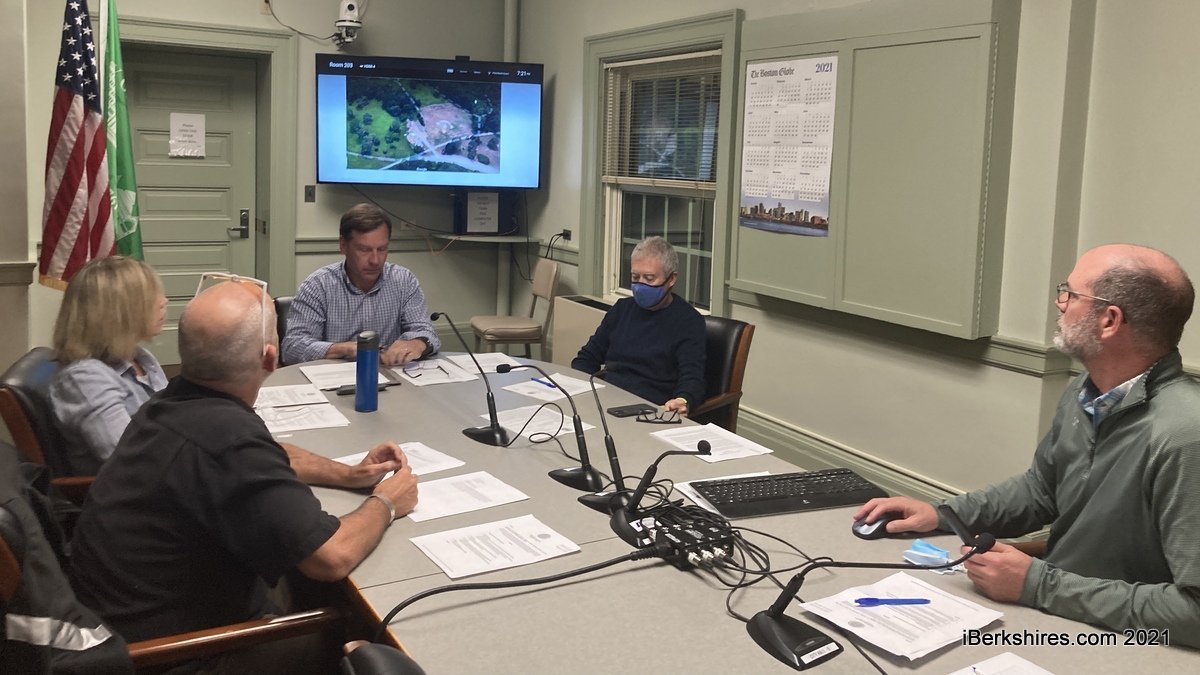
Park and Open Space Program Manager James McGrath on Tuesday addressed concerns that have been raised by opposers of the Springside Park pump track proposal.
During the Parks Commission meeting, he said the city solicitor had made the determination that the bike skills course is not a violation of use for the park and backed the Conservation Commission's ruling that it poses no environmental risks from a conservation standpoint.
The project was first proposed about a year ago and has sparked controversy with a group who have cited issues with land use and environmental impacts regularly at Parks Commission meetings.
It includes a 1-plus acre pump track and bike skills park on a plot of land that was previously used as a baseball field behind the north playground.
A request was made for City Solicitor Stephen Pagnotta to review the project under Article 97, which grants people a right to a clean environment and authorizes the commonwealth to acquire conservation easements.
Pagnotta confirmed that if approved, this proposal is consistent with the deed to Springside Park and does not trigger the article.
Per Pagnotta's suggestion, the city will be reaching out to the state Executive Office of Energy and Environmental Affairs, which deals with Article 97 concerns in municipalities.
"If a use on [a conservation park] property is proposed which is different than what the purpose of the property was set aside for, then Article 97 kicks in, and the legislative approval is required," McGrath explained.
"According to attorney Pagnotta, the pump track, the bike skills park is consistent with the deed and for which the property was put aside so Article 97 does not play a role here."
McGrath then clarified that there are no state-listed rare or endangered species in the entirety of Springside Park as well as no core habitat or natural landscape areas within the park.
This is an echo of the Conservation Commission's August determination, which ruled that the Springside Park pump track proposal's location is not within a wetland resource or buffer zone.
In addition, the Con Com made a negative determination in response to a request for determination of applicability (RDA) associated with two areas of land within the property located at Springside Park.
Historically, McGrath said the proposal is also within bounds.
The whole park is on the National Register of Historic Places, warranting the state to get involved if there are federal funds being directed toward the project. The pump track is proposed to be funded entirely by the New England Chapter of the Berkshire Mountain Biking Association (NEMBA) through fundraising.
Mcgrath said there is a preservation restriction for Springside House and acreage around it but the proposed site is not in a preservation zone, therefore, does not require historic review.
"Simple local funding and permitting does not trigger [Massachusetts] Historic Commission review," he explained. "So the area is not in the preservation restrictions zone, and it does not require Mass Historic review, simply because of the permitting and the funding mechanisms, they don't cross the threshold."
After pointing out the first bullet point of the Springside Master Plan made by the Springside Conservancy, McGrath said this project is clearly consistent with the park's intended use.
"The area of land known as Springside Park be professionally maintained as a public park, be preserved, be reasonably improved upon as necessary, and be expanded upon as possible to understand in the acceptance of the grant of this property to the city," he read.
The opposers were not satisfied with the presentation and spoke about it for more than an hour. Many of the speakers have been regularly utilizing the open microphone segment of meetings. They have also spoken at City Council meetings.
Attendee Elizabeth Kulas had translated the intended uses of the park differently, claiming that the pump track is not an intended use.
She rebutted the state's determination that Springside had no rare or endangered species, claiming that there are plant species in the park that she hasn't seen anywhere else and that there is a robust mushroom community.
Dan Miraglia brought in a photo of a father and son playing baseball on the field that is currently on the proposed pump track site to show it's being used.
Another attendee said the proposal needs a public hearing and Chairman Anthony DeMartino pointed out that there was a public hearing in July for the pump track.
"This topic has been in front of the commission for at least nine months, we started formally from the end of 2020," he said.
"We have offered opportunities for anybody who wishes to speak on it and express their concerns to us, the commission, your group has been consistent and passionate at many of our meetings, including our publicly advertised public input session and I think that we as a commission have heard from those who have expressed their concerns."
Tags: biking, parks commission, Springside Park,