Pittsfield Council to Send AG Letter About South St. Cell Tower
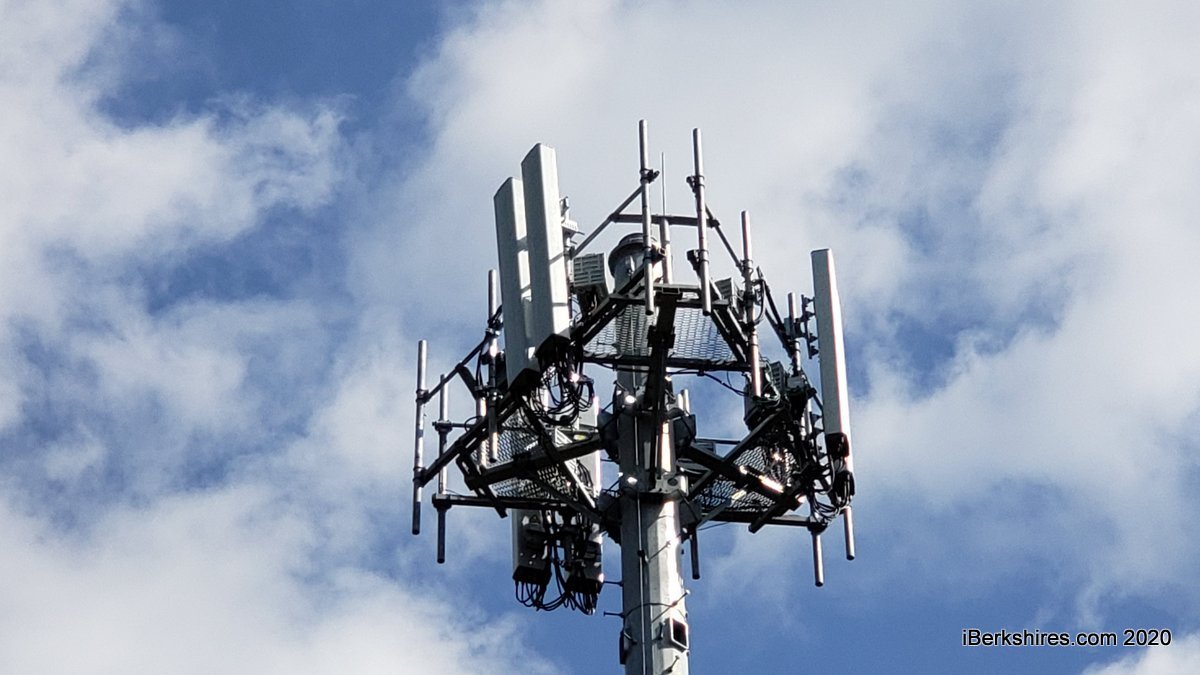
PITTSFIELD, Mass. — The City Council on Tuesday voted to send a letter to Attorney General Maura Healey requesting an investigation on the permitting process for the Verizon cell tower at 877 South St.
Ward 7 Councilor Anthony Maffuccio submitted the petition because he feels the process was flawed from the beginning. It was amended and passed with Ward 3 Councilor Nicholas Caccamo voting in opposition and Councilor at Large Yuki Cohen absent.
Caccamo didn’t believe they should send the letter because there is an ongoing case in the Appeals Court on the cell tower.
The council voted to simplify the petition to ask for an investigation on the permitting process. Originally, it had included language about a "lack of abutter notices and public participation in a residential neighborhood affected area during a Global Pandemic."
In August 2020, a Verizon cell tower was constructed in the southeast corner of a South Street property near a residential area. The company received permitting from the Zoning Board of Appeals in 2017.
Alma Street resident Courtney Gilardi and her daughter Amelia Gilardi have spoken consistently at public meetings since the cell tower was erected, reporting health complications her family and neighbors are having from the technology.
The situation has frequented the media and earlier this month, state Rep. Tricia Farley-Bouvier addressed it in a state legislative hearing.
The cell tower is also a matter pending before the Appeals Court on the special permit that was litigated in the Superior Court.
Maffuccio said he thinks the council needs to do some investigating and figure out why this tower came to fruition where it did, speculating that something went wrong in the process.
"I think that because we were in a pandemic that there was no proper public participation in the cell tower, I think that something went wrong, its placement within 100 feet of a neighborhood," he said.
"I think that we as a council should do some investigating and figure out if they played a role in this and that’s why people didn't have as much participation as they should have, are we lacking that or is somebody taking advantage of it, pushing permits through and not have that public participation."
Ward 2 Councilor Kevin Morandi said the process was flawed long before the pandemic because the ZBA granted a special permit in 2017.
"It all goes back to the Zoning Board of Appeals, they have the plans at the meeting, they saw it, they saw it was 877 South St. and they still approved it when it was so close to a residential neighborhood on the opposite end of where the address was in the permit," he said.
"So the Zoning Board saw this and I'm not pointing fingers anywhere, but let's not say that we don't want a board to take the blame because they knew about this, they have all the plans in front of them."
Many of the councilors agreed that the 877 South St. location is deceptive, as the property spans from South Street almost to Holmes Road.
Councilor at Large Pete White thought the original language of the petition seemed accusatory to the city’s own departments.
"I think there are questions about the abutter notices, but we also know that through this process we've proven there are potentially flaws in our own systems of how people are notified, so the wording makes me a little uncomfortable."
White said the more appropriate thing to have the attorney general investigate is whether or not the address of the cell tower is deceptive.
Following suit with other letters from the council, it will be written by President Peter Marchetti with the information from the passed petition and sent to Healey's office.
City Solicitor Stephen Pagnotta said he can't speak for what will happen after the letter is sent, but that it is likely it will get suspended because the issue before the Appeals Court is the abutter notifications, and if the zoning ordinances and state law were followed.
"My assumption is that the [Attorney General's] office would wait until the Appeals Court weighs in before that," he added.
Tags: attorney general, cell tower,