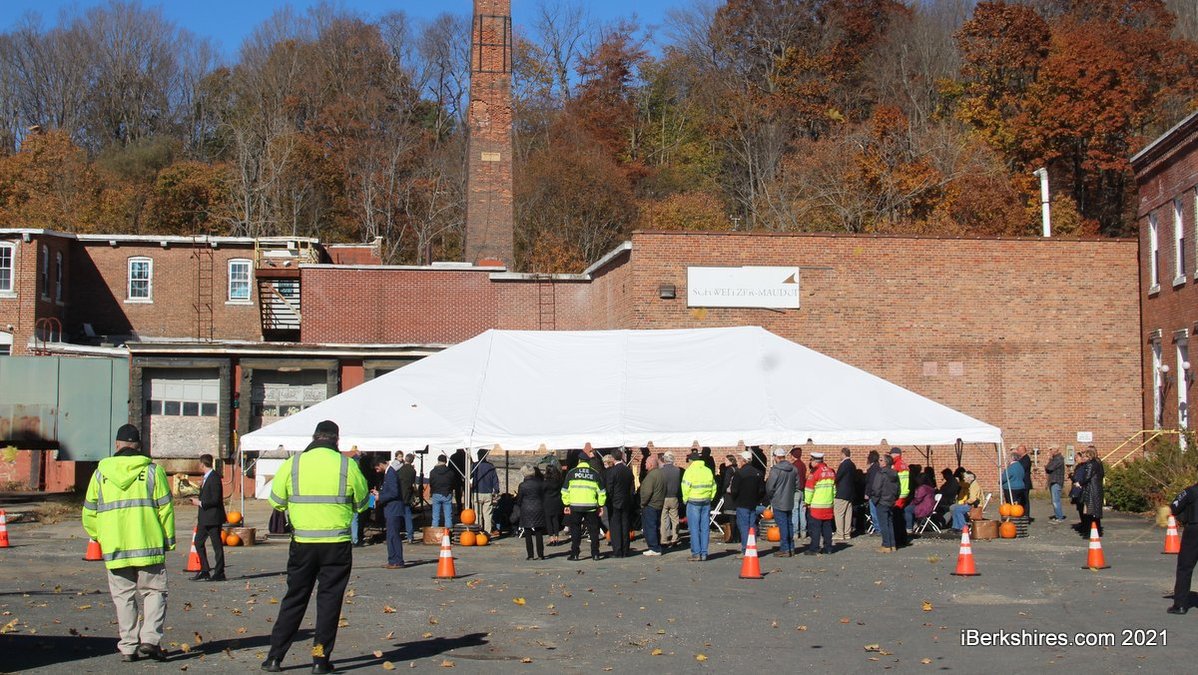
Lee Breaks Ground on $60M Eagle Mill Redevelopment Project
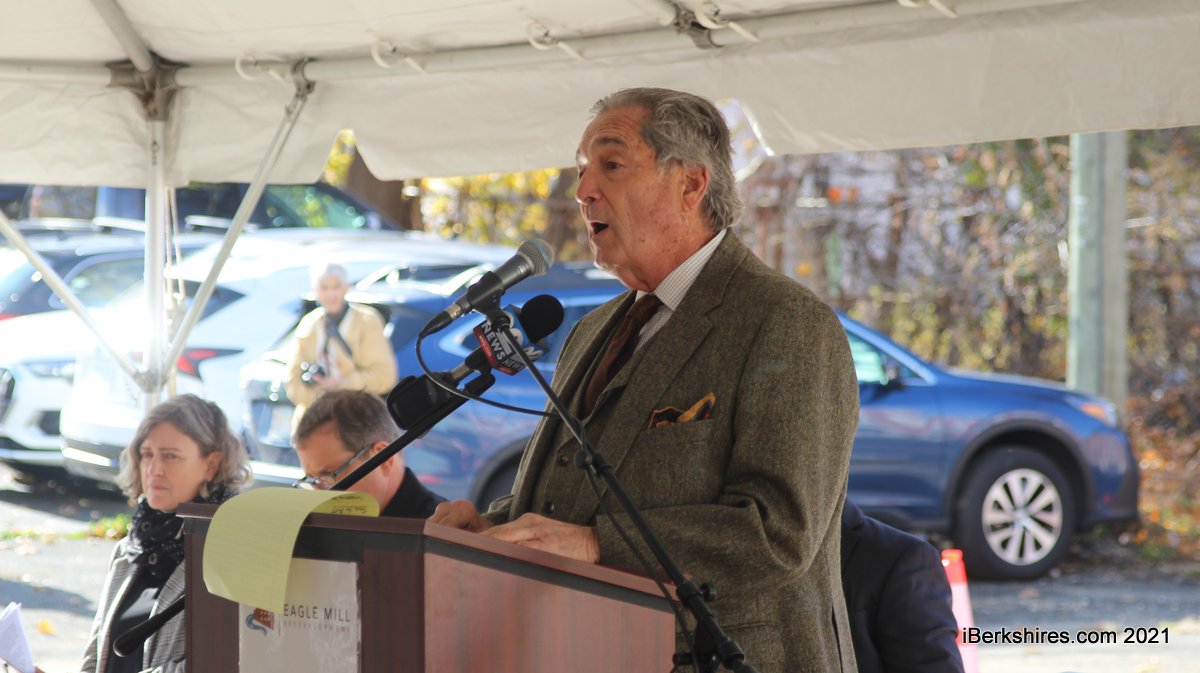
Jeffrey Cohen has been working to get the $60 million project off the ground since 2012.
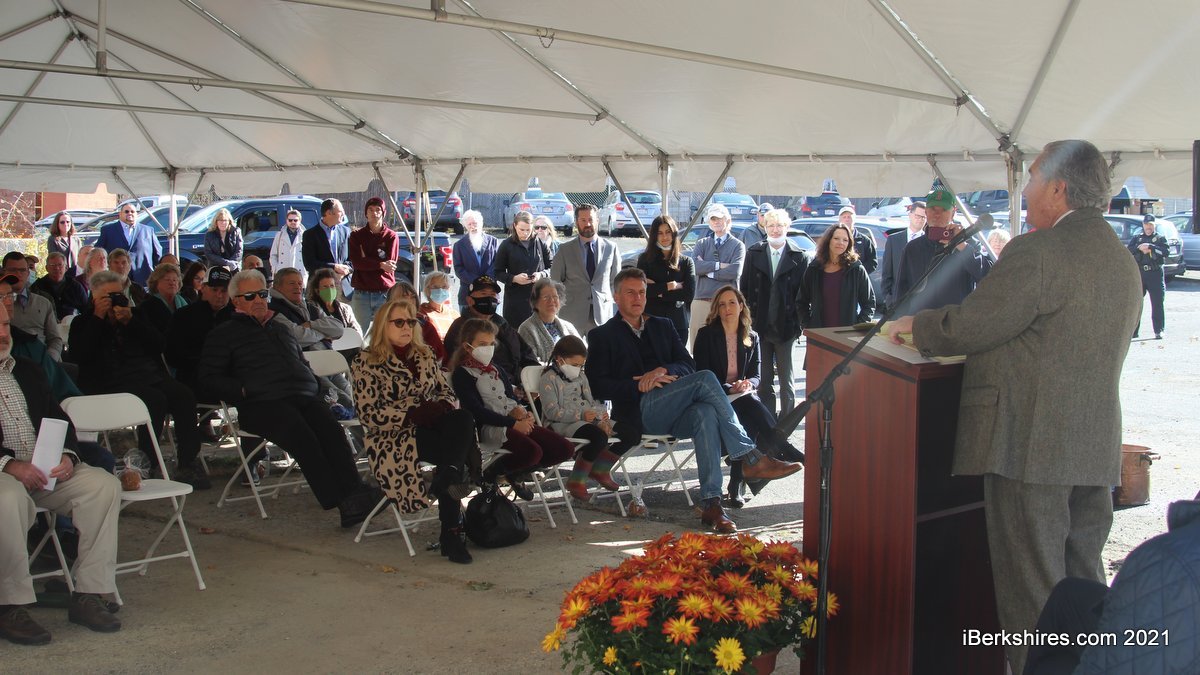
"It's been a long time coming for this project. But are we happy to be here?" asked state Rep. William "Smitty" Pignatelli to applause. "I want to personally say that I've been involved in this project, this site for a long time. I've seen a lot of ideas come and go. I've seen a lot of developers come and go, but this one is real. And of all the developers and all the ideas that come across the table here, this one was fully embraced by the community. They love the idea."
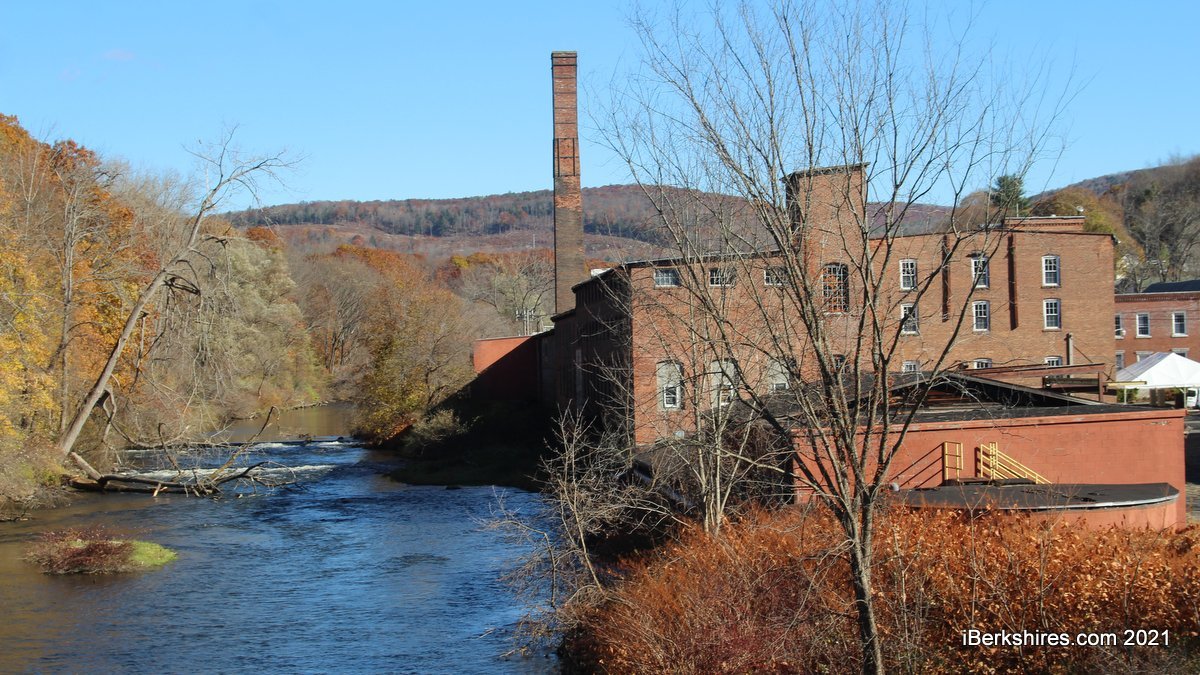
The 8.4-acre Eagle Mills complex has buildings dating to the early 1800s and once employed thousands of area residents in papermaking. The last mill closed in 2008.
The plans first proposed in 2012 by Eagle Mill Redevelopment LLC, a private development company, will create a mixed retail/residential complex in 192,000 square feet. The structures will support 122 market-rate and affordable housing units, retail, office suites and six condominium townhouses.
Six acres will be developed on the south side of the Housatonic River and another 2.4 acres on the north side will be remain undeveloped.
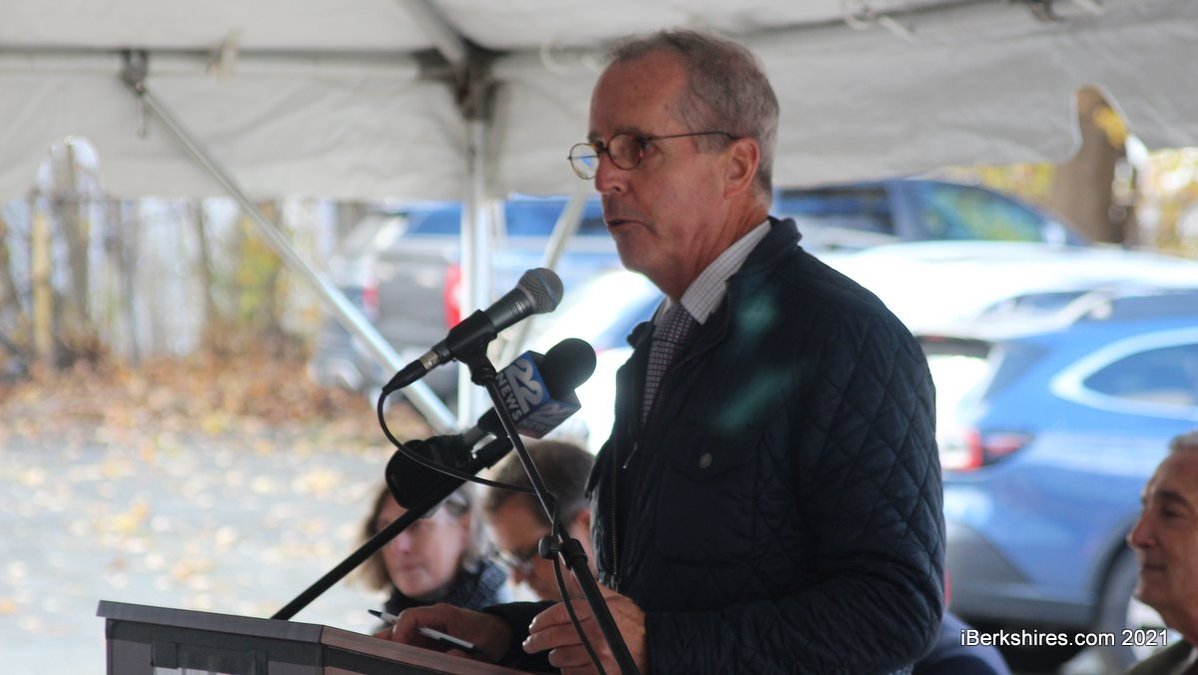
"It's nine years later, almost to the day that we started by putting this property under contract," said Jeffrey Cohen, principal of Eagle Mill. "For me, this is a day of Thanksgiving, which is why we scheduled it just before the holiday. ...
"My partners and I saw the opportunity to transform and revitalize the town of Lee by creating a village of affordable and market-rate housing, in which people could live and eat, work, and enjoy life. While recognizing the history and the character of this charming town."
Cohen said creating a vision like this requires four things: ignorance in not knowing the challenges ahead, the passion to believe in your dream, the integrity to pursue it honestly and transparently and the perseverance to see it through.
But especially, it takes broad support from the community, town leaders, state and federal officials, investors and stakeholders, he said, naming a long list of backers.
The town boards were tough but fair in working with the developers, Cohen said, "and it resulted in the design and development of a much, much better project."
Principal developers are Cohen and Fred Taverna of Mill Renaissance and Donald Wells and Michael Francis of DEW Properties LLC.
Eagle Mill has so far received $8.9 million in federal and state historic tax credits and Rees-Larkin Development and Berkshire Housing Development Corp. were approved in July for $16.33 million in state and federal funding for the residential development of 48 rental units for households earning 70 percent of the area median income and eight for those earning 30 percent AMI.
Pignatelli called out Cohen's attorney Richard Vinette Jr. of Hannon Lerner PC and former Lee administrators Christopher Ketchen and the late Robert Nason for their work on the $4.9 million MassWorks water line extension that made the project viable.
Some of the historic buildings will be sold to Berkshire Housing for development with Rees-Larkin Development.
"I'm not a housing developer, I don't pretend to be, it's such a highly technical business, you really need to know what you're doing," Cohen said. "More importantly, you need to have a good reputation. And you need to have the respect of those to work with. Thank goodness they do."
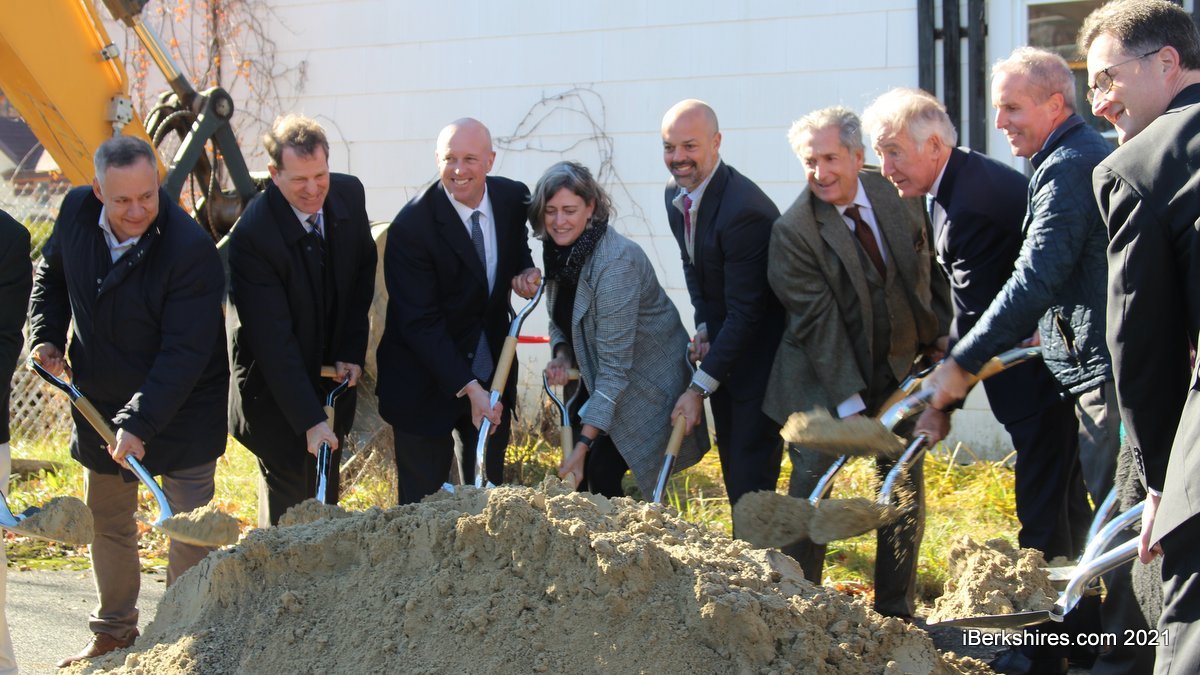
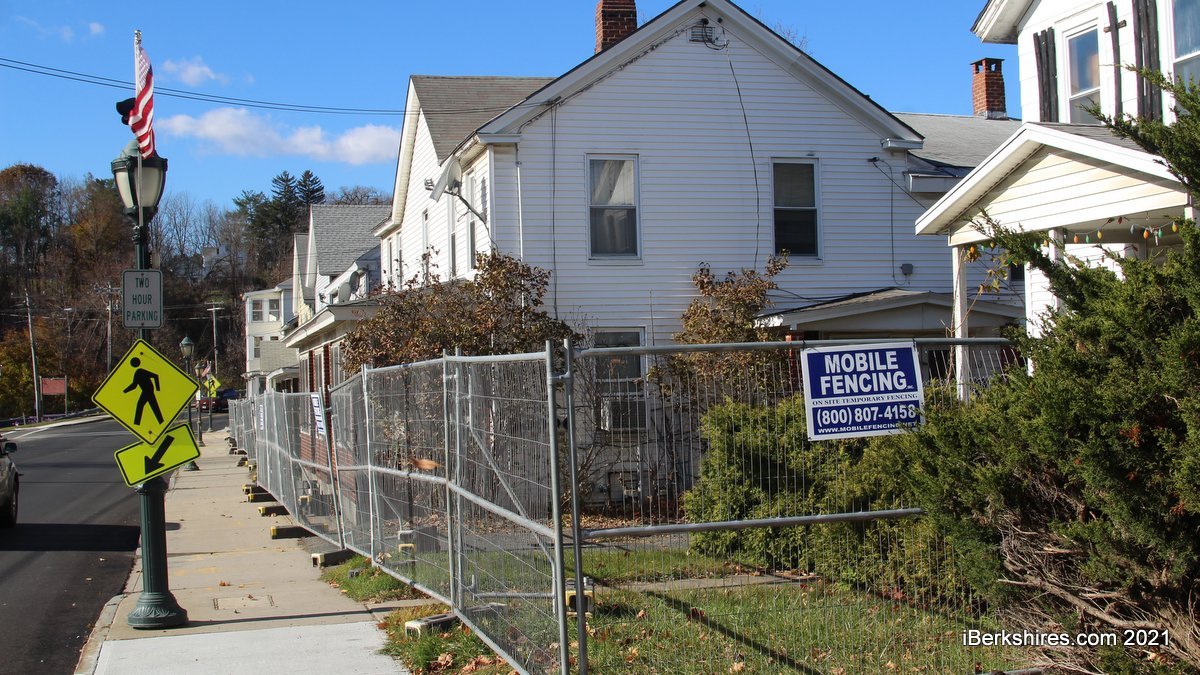
Shovels went into the ground on Wednesday but the project is still waiting for one more letter from the Department of Housing and Community Development to begin the razing of several houses on the property.
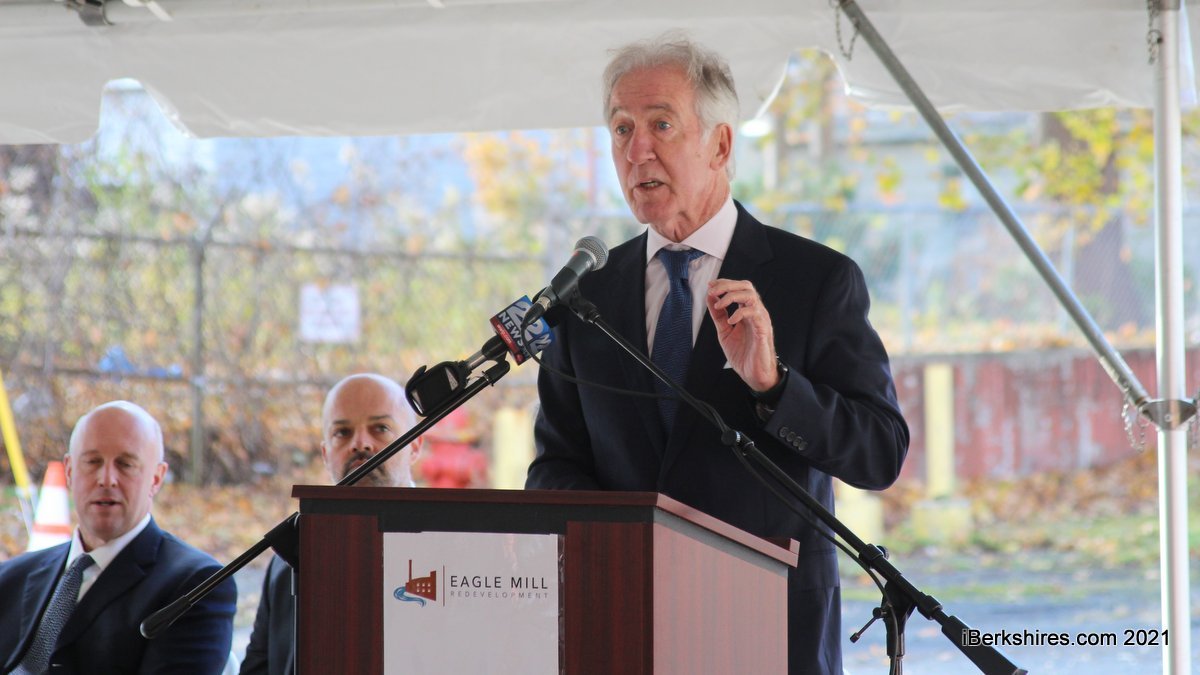
"There are a few issues that are more difficult than the nature of housing. It's largely based upon what we call income elasticity. Sounds complicated on the surface, very basic on the inside," said U.S. Rep. Richie Neal.
Neal and Secretary of State William Galvin had worked with Cohen to get historic tax credits to help close the gap in financing that ended up totaling $16 million.
"The following is essential to understand. To bring these buildings back to life, to make them income producing for tax revenue purposes, they still need some governmental assistance. Because ... economics just don't work without that government assistance," the congressman said. "So I want to thank the team here assembled today, to remind people ... it's folks like you who made this happen and I really appreciate it."
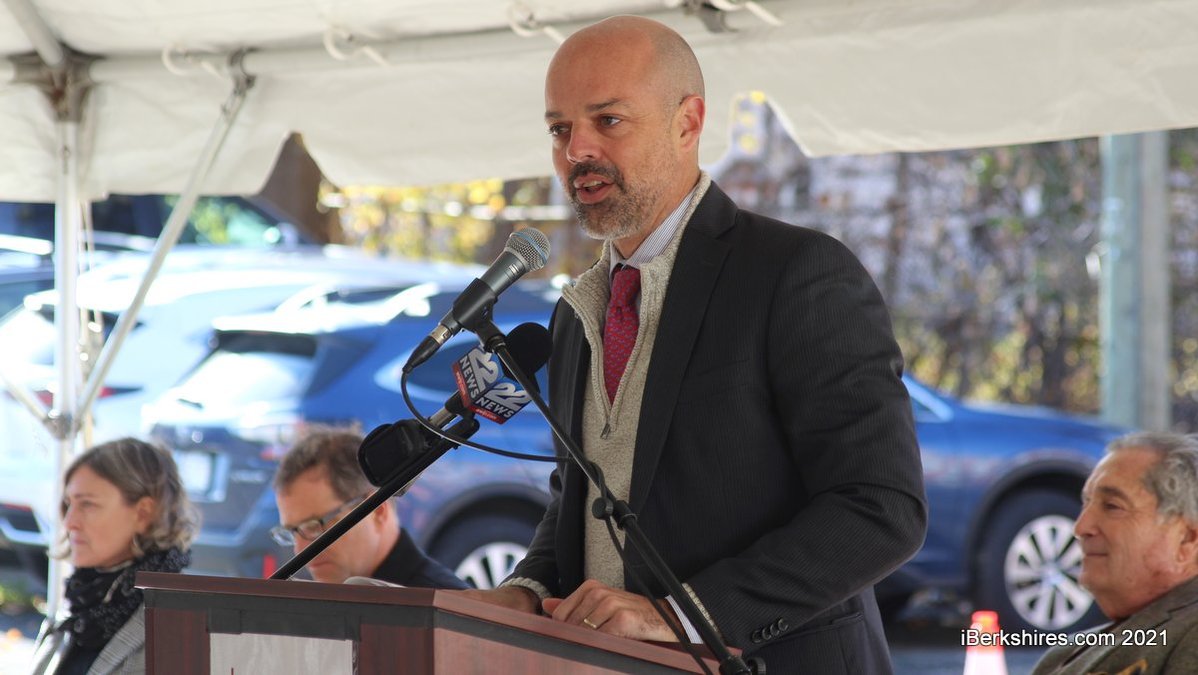
Jon Rudzinski, of Rees-Larkin Development, said government capital was critical for making these housing projects work. Phase 1 residential is expected to cost $26 million, of which $23 million will be coming from government programs.
"It's 88 percent of the capital for this building comes from these programs," he said. "It would not be possible. That's a dumb statement to say it would not be possible without it. But I'll say it: It will not be possible without these programs. So I urge everyone to continue to support all those programs."
Berkshire Housing CEO Eileen Peltier said a third of Berkshire County families make less than $35,000 a year and that many earning up to 80 percent of AMA, around $58,000 struggle to afford housing.
"Those are your tax dollars. And Berkshire Housing understands that responsibility and we will steward this project into the future ... and we take that stewardship seriously," she said. "A home is much more than four walls and a roof. A home is hope. Berkshire Housing is honored to be co-developing and managing what will be 56 beautiful homes in this lovely town."
Also speaking were state Sen. Adam Hinds, Secretary of Housing and Community Development Michael Keannely, and Select Board Chair Patricia Carlino.