Pittsfield Police Advisory Board Decides Against Changing Ordinance
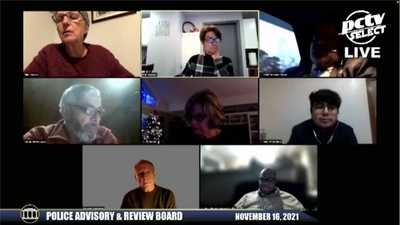 |
PITTSFIELD, Mass. — After two single-topic subcommittee meetings to discuss amending its ordinance, the Police Advisory and Review Board has decided that isn't the best way to improve the panel.
Instead, the board has written a memorandum that addresses issues with its purpose and effectiveness and then makes suggestions for better courses of action.
Vice Chair Michael Feldberg said the genesis of the additional meetings was former member Drew Herzig's submission for an amendment to the ordinance.
"We decided that that was probably not the best way to go because the tweaks wouldn't address our core issue," he explained. "Which is about the identity of this board itself and its effectiveness in serving as a bridge between the community and the department."
For some time now, the advisory board has mulled the possibility of amending its governing ordinance for clarification and empowerment.
In July, members were advised to think about the ordinance's language to make changes that support its mission. The review board feels a degree of frustration with the legal constraints that prohibit it from more direct involvement in the oversight of the Pittsfield Police Department.
The communication begins with a statement of the problem and goes back in time looking at what the original advocates for PARB were looking to accomplish. It then looks at what the City Council has charged the panel to do along with the few things it has accomplished.
"[It] reiterates another sense that we have that we have not lived up to our full potential," Feldberg said.
Steps that the board could take to be a more effective channel of communication for the community are then identified in the memorandum. It was stressed that the panel needs to hear from the public more.
The document will be submitted to both the council and Mayor Linda Tyer.
At Tuesday's meeting, Chair Ellen Maxon decided that PARB meetings will follow a different format for the next six months with the hope of improving outreach.
In the months when there are no policing cases to review, meetings will be more informally structured and, hopefully, will be an open discussion with the community. Rather than participants being allowed two minutes to speak at the open microphone portion of the meetings, comments will be welcomed throughout.
During these meetings, Police Chief Michael Wynn or another member of the department will be present but will not be participants.
Member Judge Alfred Barbalunga pointed out that many marginalized community members may not feel comfortable speaking about police issues because they fear retaliation.
"That fear is there," he said.
Maxon said this formal will begin at PARB's next meeting and reiterated the importance of getting the word out to the community.
She read some comments that the board has received from the public to fuel improvement efforts. PARB was called a "rubber stamp" for the Police Department more than once and was said to need more transparency and voices of color.
"We've talked several times about needing to go out in the community having our meetings elsewhere, which again with the whole COVID thing makes it really hard," Maxon added. "Someone said we were doing what we'd been authorized to do, but not reaching the goal of interfacing with the community."
The Rev. Sloan Letman IV said the board is having the same problem as the Homelessness Advisory Committee, which has been cited for ineffectiveness.
"We're trying to fix technical issues where these are really adaptive issues in the larger broad sense of the word," Letman added.
Tags: police advisory,