Mount Greylock Schools' Operating Budget Projected to Rise by 5 Percent
WILLIAMSTOWN, Mass. — The draft budget for the Mount Greylock Regional School District includes a 6 percent increase in the assessment to the town of Lanesborough and a 5.5 percent increase in the assessment to the town of Williamstown.
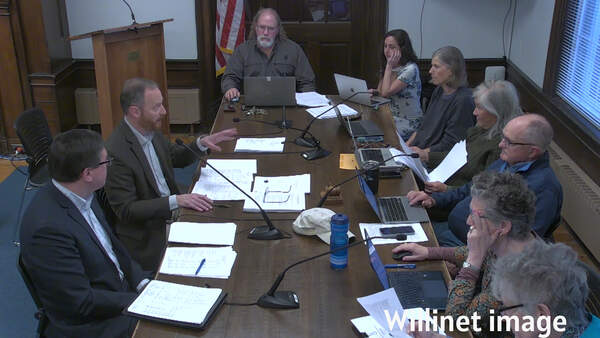
The regional School Committee, which has yet to discuss hard numbers for the fiscal 2023 spending plan, has its state-mandated public hearing on Thursday, at which time the committee also plans to vote on a budget to send to the district's member towns for consideration.
The budget request then will be weighed by the finance committees and select boards in each town. While those panels can make advisory votes to their respective town meetings, it is the School Committee's version of the budget that attendees will see at their annual town meetings in May (Williamstown) and June (Lanesborough).
If the draft budget posted on the district's website is advanced by the School Committee, Lanesborough would be assessed $5.7 million for the district's operating budget in FY23; Williamstown would be assessed $11.9 million for preK-12 education.
Those numbers would be up from $5.4 million and $11.3 million, respectively, for the current fiscal year.
The district's total operating budget in FY23 is projected to be $25.3 million, including operations funded by sources aside from assessments to member town taxpayers – sources like tuition from the towns of Hancock and New Ashford, school choice, state aid and grants.
In FY22, the operating budget is $24.1 million, making an increase of $1.2 million, or 4.98 percent from year to year if the FY23 budget stays as drafted.
The School Committee has spent months discussing the drivers of the increased budget, including a plan to hire a full-time director of Diversity, Equity, Inclusion and Belonging. That plan would appear to account for some of an increase of more than $100,000 in a line item for "other district-wide administration." In the draft budget, that line goes from $71,995 in FY22 to $173,839 for FY23.
But there are other factors at play, including increased instructional and student support staff at all three of the district's schools.
The school with the largest projected FY23 budget increase is Lanesborough Elementary, with an 8.8 percent hike, according to budget documents on the district's website. By contrast, the operating budget at Mount Greylock is proposed to go up by 5.1 percent, and the operating budget at Williamstown Elementary is forecast to rise by 4.8 percent.
That explains why the percentage increase to the Lanesborough assessment is higher than the increase to Williamstown in the current budget draft. Per the regional agreement, each town pays for operations at its elementary school, and they split the burden for the middle-high school and central administration based on a five-year rolling average of the percentage of student population.
For FY22, the budget voters approved last spring, Lanesborough's $5.4 million for the schools' operating budget represented 53 percent of a $10.1 million town budget approved at town meeting.
Williamstown's town meeting structures its budget votes differently, but education tends to also represent a little more than 50 percent of spending generated by local taxes.
Not surprisingly, interim Town Manager Charles Blanchard was asked about the potential impact of the Mount Greylock assessment at a town Finance Committee meeting on Feb. 23.
"As far as the schools, we do have the McCann budget," Blanchard told the Fin Comm. "The McCann budget is in here. It's a 10.9 percent increase, but it's a smaller amount of our budget.
"In the [Mount Greylock] school, I did estimate 2 percent in there. I think there's enough flexibility here if that varies. I do have that built into the budget. I would expect it will still stay in this ballpark, certainly."
McCann Tech's assessment to Williamstown in FY23 is projected to be $322,418, about 2.5 percent of the projected $12,970,385 bill projected to be coming from Mount Greylock (which includes the town's capital assessment). The increase in the town's assessment to the Northern Berkshire Vocational Regional School District largely is the result of a bump in the number of town residents attending the regional vocational school.
Blanchard's town operating budget in Williamstown currently is proposed to go up 3.5 percent from FY22 to FY23. The Finance Committee is scheduled to continue its review of the town (non-school) spending plan on Wednesday.
The Mount Greylock School Committee's public hearing on the FY23 budget is scheduled for 6 p.m. on Thursday. A link to the Zoom virtual meeting is on the district's website.
Tags: fiscal 2022, MGRSD_budget,