BRPC Comments on Proposed Stretch Energy Code
PITTSFIELD, Mass. — The Berkshire Regional Planning Commission says its supportive of the state's proposed stretch code update to integrate electric heating systems but feels that the proposal does not go far enough with what is needed for the Green Communities Act.
The state Department of Energy Resources requested comments from BRPC on Friday on the stretch code straw proposal, part of an effort to decarbonize the building sector and meet the state's 2050 greenhouse gas reduction goal. DOER is developing a new climate-focused energy code option alongside the current Stretch Energy Code.
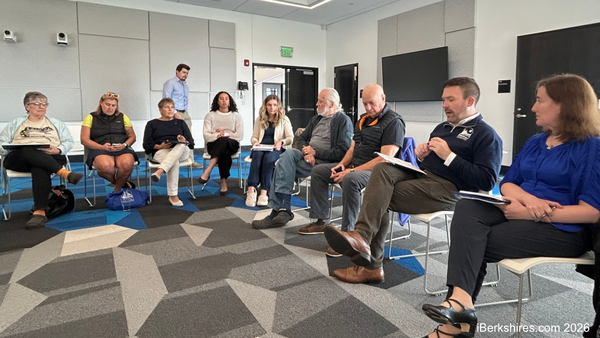
"I will say that the buzz over the last couple of days on the State House news is that the straw proposal doesn't go far enough," said Thomas Matuszko, BRPC executive director. "There are a lot of legislators who want to see this go much further. It's not going to accomplish what we need to do with the Green Communities Act that has been passed."
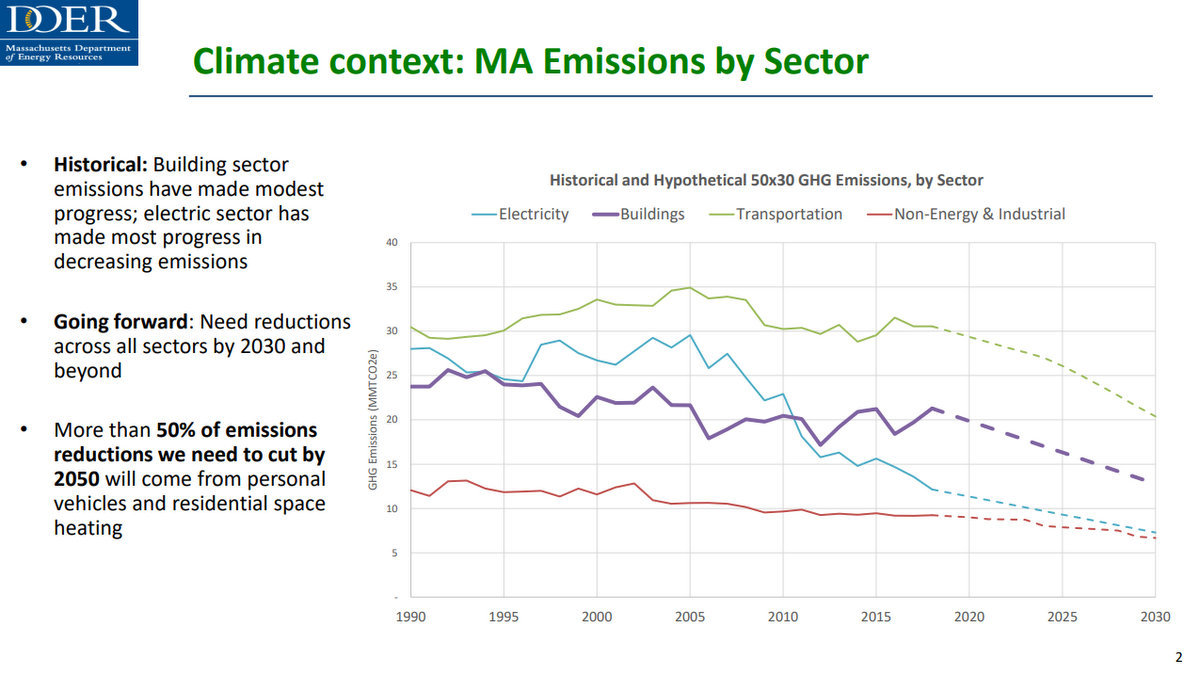
The new code must include "net-zero building performance standards, a definition of net-zero building designed to achieve MA GHG emission limits and sub-limits including a 50 percent GHG emissions reduction by 2030 from 1990 levels," according to state's updated energy code website. The electrical sector has made the greatest progress in reducing emissions over the past two decades and is projected to continue that decline.
The committee wrote to Nina Mascarenhas, manager of commercial programs at DOER, that "buildings built in the next 10 years will make up a substantial portion of the building stock in 2050, so it is important to act swiftly and aggressively if we are going to meet the GHG reduction goals of the Massachusetts 2050 Decarbonization Roadmap.''
The commissioners feel that allowing and incentivizing fossil-fuel heated new construction is counterintuitive with what they are trying to achieve and jeopardizes the ability to meet 2030 and 2050 goals.
"BRPC is fully supportive of these goals and recognizes the need to electrify our building stock, new and existing, as soon as possible," the commission wrote.
BRCP did see the shortcomings of an electric-only heating system, including how the electrical grid and existing technologies are not reliable or cost effective. Some committee members asked if there was technology in this region for a system like this.
"Unfortunately, in Berkshire County (like many other rural parts of the state) the electrical grid and existing technologies that enable building electrification and energy storage are not reliable or cost effective enough to justify a total shift away from fossil fuel, especially for low-and-middle-income families," the commission wrote.
Sarah Satterthwaite, chair of Savoy Planning Board, adopted electrical heating early on in the adoption cycle and had a lot of good things to say about it but the problem is getting people to do the installation and weatherization work.
"My house was built about 10 years ago. And so I can't say enough good things about that. Apparently, the problem people are having is getting people to do the work, not just the heat pumps, but the insulation in the weatherization. Mass Save isn't working very well anymore. So we have a broader problem," Satterthwaite said.
Some commissioners also questioned the effectiveness of electric heating pumps during the winter months but was assured by Satterthwaire, based on her experience with the weatherization and installation and running it consistently, that should not be a problem.
"And as long as you run it all the time, it does a great job. And except in the various coldest weather, it might be a little cold. But that's why the weatherization and installation is so important in the house that uses them," Satterthwaite said.
The commissioners feel the new specialized opt-in-code should set the standard for widespread electrification of buildings before 2050 and that allowing communities the option to ban fossil fuel hookups is unrealistic because they are given the option to rescind later.
"This would be a no-regrets strategy to allow interested communities to more easily ban fossil-fuel use in new construction while retaining the option to rescind the code at any time. Without a more forward-looking option now, we will be locked into a future of fossil fuel reliance," they stated in their letter.
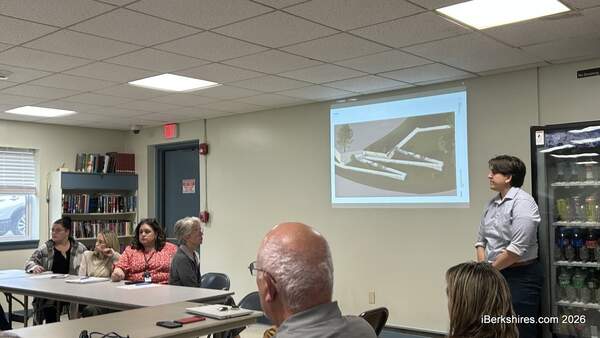
According to the DOER presentation, electric heating when compared to gas heating currently has 64 percent fewer emissions, which will go up to 94 percent less by 2050. Electric heat pumps were also more cost-effective for both contractor and buyer in new construction.
The commission will have the opportunity to discuss this at a later date because the DOER is still looking for ideas to improve these two parts of proposal.
Tags: BRPC, energy efficiency, greenhouse gases,