BRPC to Help Lanesborough Develop Solar Overlay District
LANESBOROUGH, Mass. — The town is seeking help from the Berkshire Regional Planning Commission to creating a zoning overlay to restrict areas for solar fields.
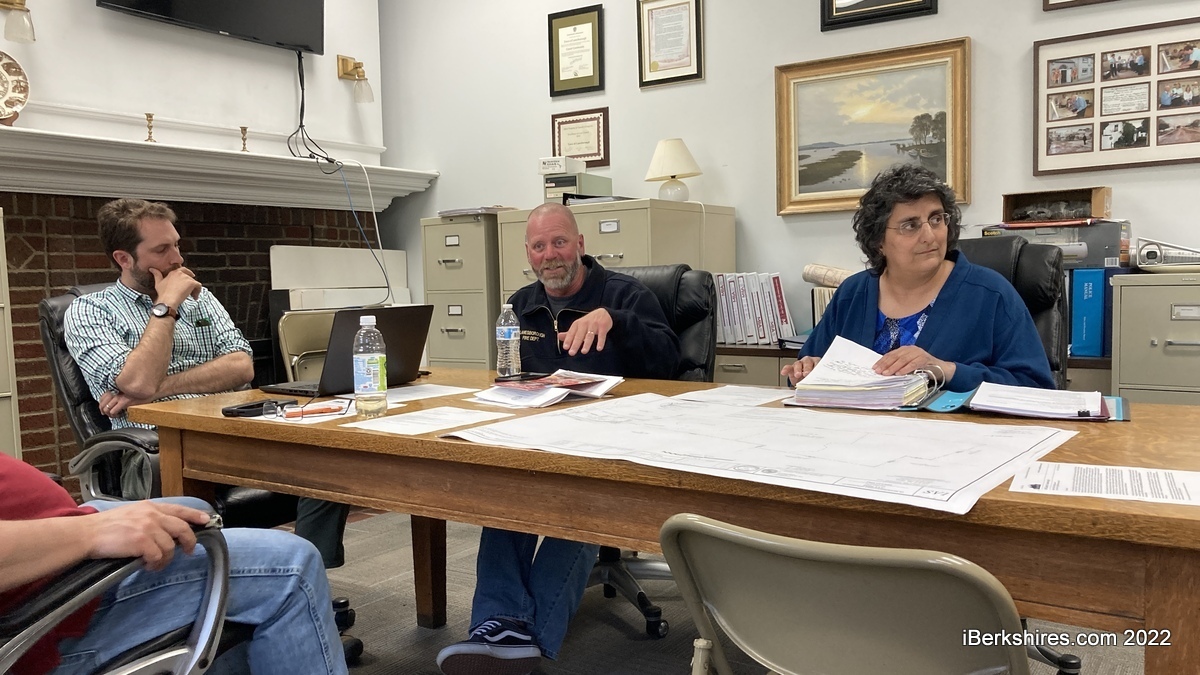
Consulting Planner Andrew Groff told the Planning Board on Monday that a state District Local Technical Assistance grant was received after it was applied for in February. With this program, BRPC staff provides technical assistance to communities at no cost on eligible projects.
BRPC will conduct a mapping analysis of the risk of solar developments on certain parcels and with the information from the study, the board will develop a solar overlay district that puts acceptable limits on solar panel fields.
The planners would like to prohibit solar fields from places where they will have a negative impact on the landscape.
"We have a planner from Berkshire Regional Planning, Cara Farrell, is going to be helping us with this concept of an overlay district for these big large-scale solar developments like we've seen along Route 7 the past couple of years," Groff explained.
"We are working on this concept of an overlay based on mapping that identifies our development pressure and scenic and sensitive landscapes that the town wants to protect, so it will accomplish two things: It will direct the development appropriately and also, perhaps make it slightly easier to permit, give everybody a clear path forward."
The town currently has four solar field developments that are allowed through special permit as long as development standards in the zoning have been met.
This has been a major concern to the board in the last couple of years because of development pressure from large solar concerns.
The overlay district is not a new proposal, as it was being discussed in 2020 when a public hearing for three large solar arrays with permits extended in 2019 was on the agenda.
The board also discussed the taxation of the solar fields. The town's major ones are taxed with payments in lieu of taxes, or PILOTs. These payments are requested by the town from a nonprofit organization that owns tax-exempt property.
Groff reported that the Legislature is trying to make solar arrays clearly taxable. During the 2019-2020 legislative session, there were two related proposals introduced by state Sen. Michael Rodrigues of Westport and state Rep. Jeffrey Roy of Franklin.
In December 2020, State Auditor Suzanne Bump conducted a study that makes recommendations for equitably treating developers and producers of solar power while allowing for the taxation of their facilities for our resource-stressed municipalities.
The board also speculated whether there is a consequence in the PILOT agreement if the taxes aren’t paid or not.
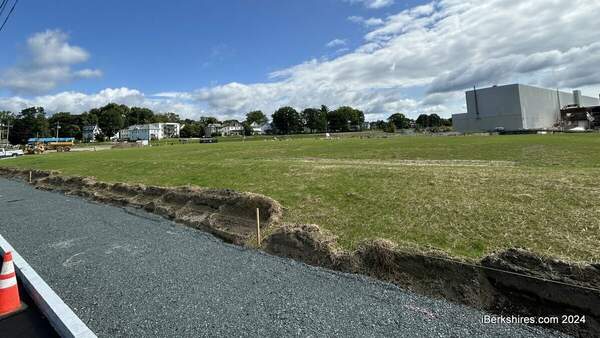
In other news, the panel approved a survey plan for Pillar LLC at 550 North Main St. The parcel has a large-scale solar farm with a currently abandoned single-family house in front of the solar field and the developer wants to cut the building lot off, renovate the house, and sell it.
Tags: solar,