Pittsfield Allocates $8.6M in ARPA Funds for Housing Initiatives
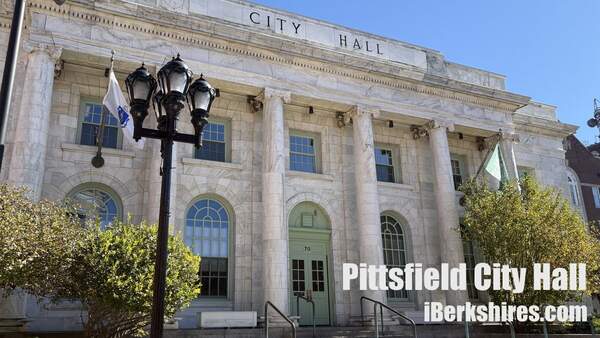
PITTSFIELD, Mass. — Mayor Linda Tyer has allocated $8.6 million in American Rescue Plan Act funding to address an issue that has become more prevalent since the COVID-19 pandemic: housing insecurity and homelessness.
The allocation will help fund the construction of 37 new permanent supportive housing units and 41 new affordable housing units in the city.
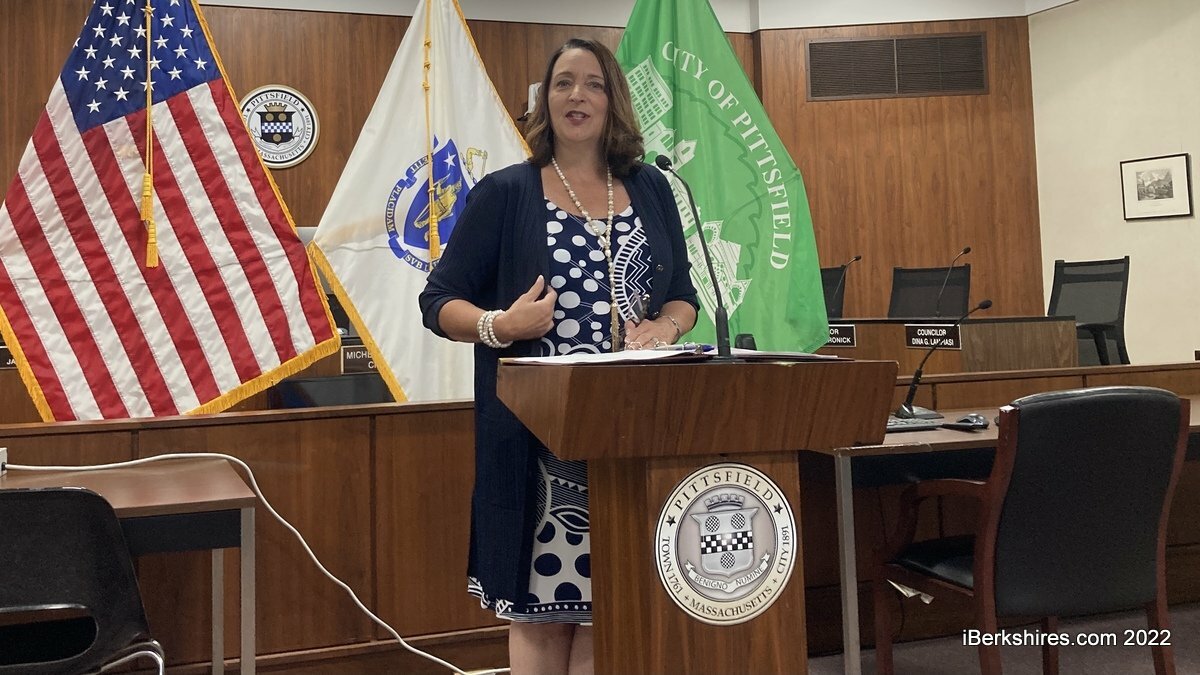
"Throughout our community forums and our surveys and all the conversations that we've had with our community partners, the guidance that we've received from the city's Homeless Advisory Committee and even the mayor's ARPA Advisory Council placed housing as a top priority for the American Rescue Plan," Tyer said at a press conference on Monday.
The $8.6 million is divided into $354,500 for the Fenn Street Emergency Shelter; $6.5 million for Pittsfield Permanent Supportive Housing and Housing Resource Center; $750,000 for White Terrace Apartments; $500,000 for an affordable housing trust; and $500,000 for the mayor's At Home in Pittsfield program.
The largest allocation will go toward eight units of permanent supportive housing on the second floor of Zion Lutheran Church's hall and 37 new units at 111 West Housatonic St., a vacant property that is being donated by John Wendling.
"These apartments which will be approximately 350 square feet, are single occupancy units and have all the amenities of a typical apartment only on a smaller scale," Tyer said.
"The apartment buildings will also have common spaces that will function like living rooms and West Housatonic Street will include community office and consulting space."
It will also fund a housing resource center for residents at both locations in the rehabilitated, 7,700 square feet lower level of the church. It will have a lobby area with mailboxes, a quiet lounge area, a tech area for computer use and phone charging stations, a commercial kitchen, a community room, laundry facilities, lockers, bathrooms with showers, and office and consulting space.
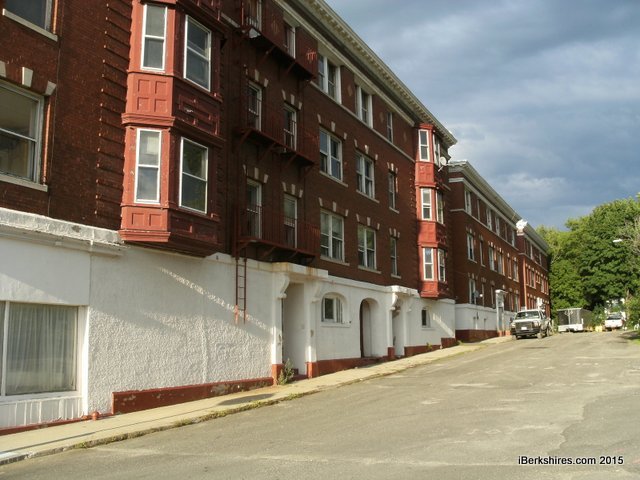
The historic White Terrace buildings at 592-596 North St. will have a new life as 41 new affordable units after suffering a major structure fire last year.
It will be renovated by Regan Development Corp., which is a family-owned development firm in New York that focuses on commercial, residential, and affordable units.
"I drive through Massachusetts a lot, I think there's a lot of opportunity," the company's development coordinator Jeremy Regan said.
He added that the firm works on a lot of historic buildings and this contributed to the appeal of the property. The developers also have strict guidelines to maintain the historical aspects of the building.
The total project cost is more than $15.5 million and it is currently in a funding process called a "mini round" through the state's Department of Housing and Community Development. The expectation is that the developers will hear back this fall and, if funding is secured, construction could begin in the spring.
The Fenn Street Emergency Shelter located in First United Methodist Church has been in the planning process for several years. It will replace the shelter at the former St. Joseph's High School that is operated by ServiceNet.
In the 6,000 square foot layout, there will be up to 45 beds, meeting rooms, common areas, bathrooms with showers, and access to a fully upgraded commercial kitchen and dining area of approximately 3,000 square feet.
"Upon its completion, the new shelter will represent a major step forward towards a more livable, welcoming, and engaging space for the city's most vulnerable neighbors who are experiencing homelessness and it will provide them with access to essential local services," Tyer said.
The total cost will be about $904,500 with a $200,000 earmark from the state, a $200,00 contribution from the city through Community Development Block Grants, and $150,000 in donations.
President and CEO of Berkshire Housing Services Inc. Eileen Peltier reported that permitting is completed and construction is about to start with the hope of completing it in the next four months.
"We're really, really hoping that by the time the snow flies," she said about the construction timeline.
The St. Joseph's shelter will remain open until the Fenn Street location can welcome people.
An affordable housing trust, approved by the City Council last month, aims to help the city address housing needs that disproportionately affect under-resourced residents. It will help to provide rental assistance programs, first-time homebuyer programs, and workforce housing programs for those who need them.
Tyer's At Home in Pittsfield program that provides funding for exterior home improvements is now a $1 million investment with $500,000 in ARPA funding and the initial allocation of $500,000 from the Economic Development Fund.
"I am deeply grateful for and have learned so much from our partners who have professional expertise and experience in this work," Tyer concluded.
"None of these investments wouldn't be possible without your guidance and without your equal commitment and together we are responding to the needs of our community using this once-in-a-lifetime resource."
Tags: affordable housing, ARPA,