Agricultural Commissioner Visits Berkshire County Farms
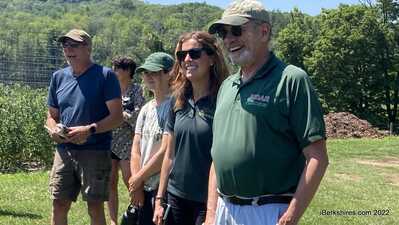 |
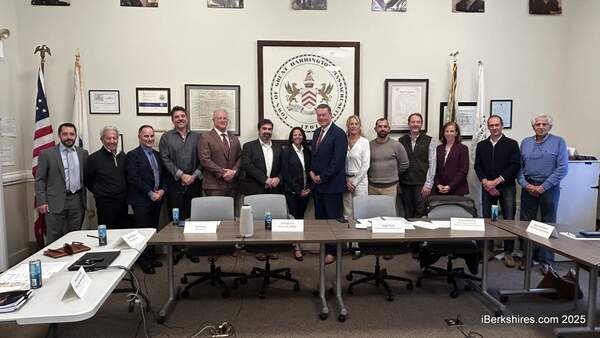
| Agriculture Commissioner John Lebeaux visited three Berkshire farms last week. |
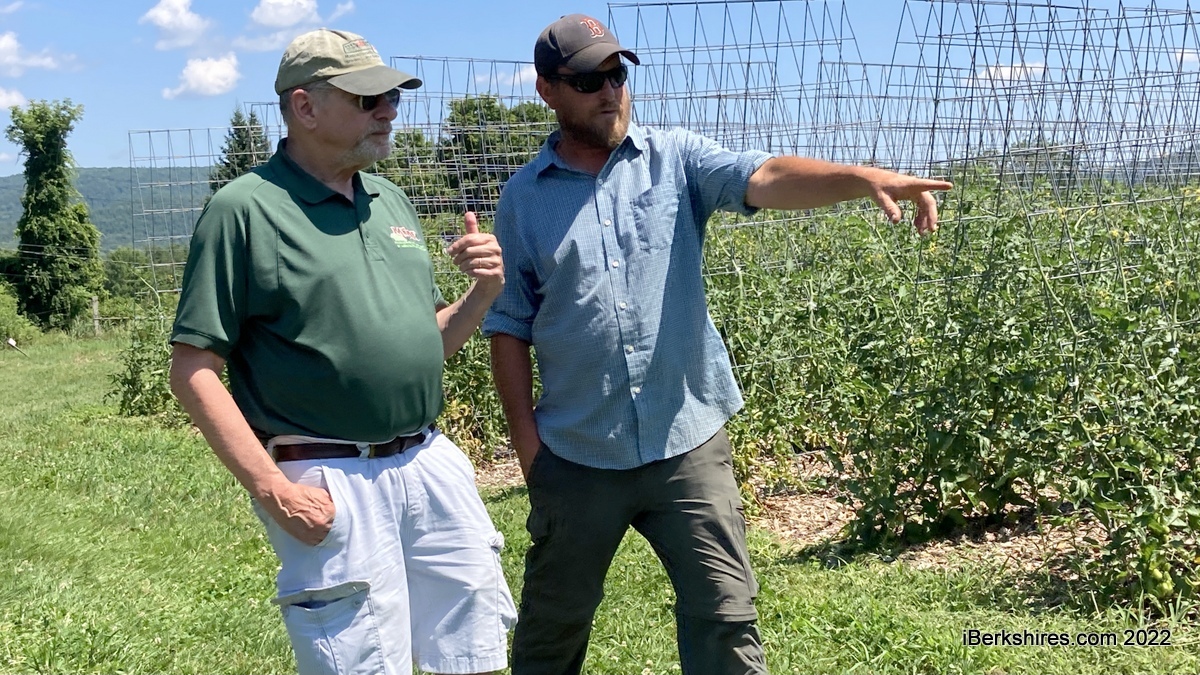
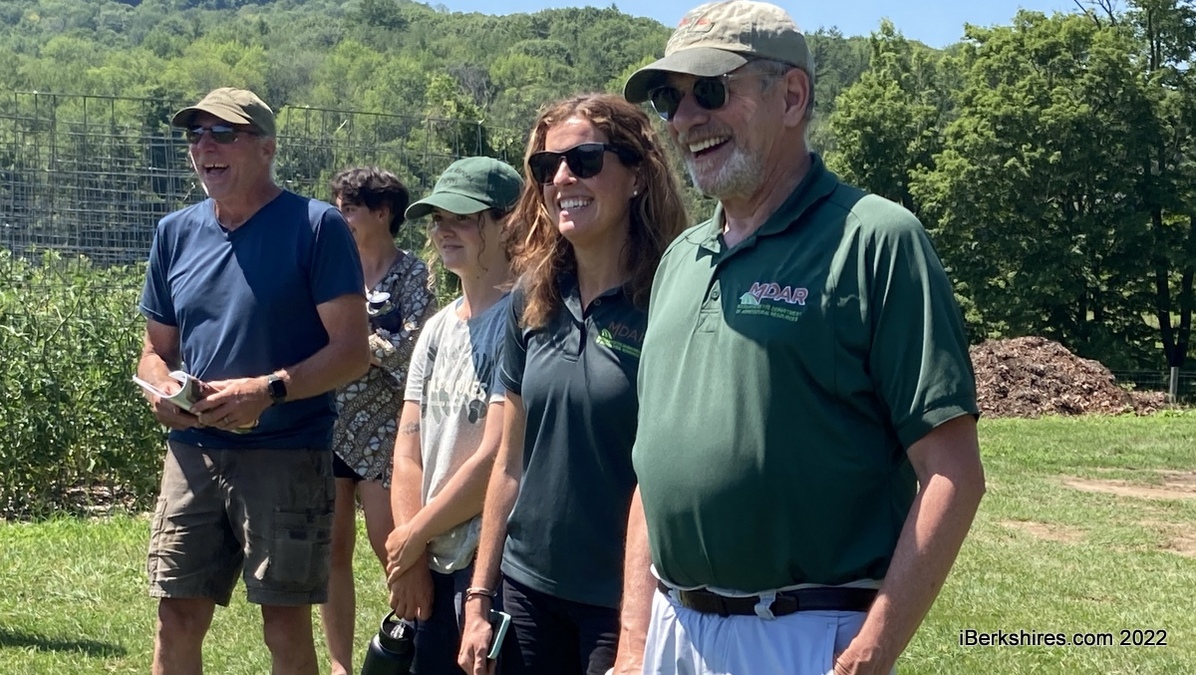
TYRINGHAM, Mass. — Agricultural Commissioner John Lebeaux visited three Berkshire County farms on Wednesday to learn about their diverse practices.
The tour began at Holiday Brook Farm in Dalton, then went to Robinson Farm in Becket, and ended at Woven Roots Farm in Tyringham.
"We're always impressed with the diversity of [agriculture] in Berkshire County," Lebeaux said.
Nonprofit Berkshire Grown organizes the farm tour each year with the commissioner. Executive Director Margaret Moulton feels that it is crucial to help state government get a clear understanding of the challenges that Berkshire farmers face.
Lebeaux recognized that the farmers work hard and take great pride in what they do. He also said his office looks forward to this trip every year.
"I learned a lot today," he said. "We go back and we think about how we might be able to incorporate some of the things we've heard today into some of the programs that we do."
One of the main things Lebeaux heard throughout the day was validation for the Food Security Infrastructure Grant program that is through the Executive Office of Energy and Environmental Affairs. The state Department of Agricultural Resources (MDAR) also works closely on the program.
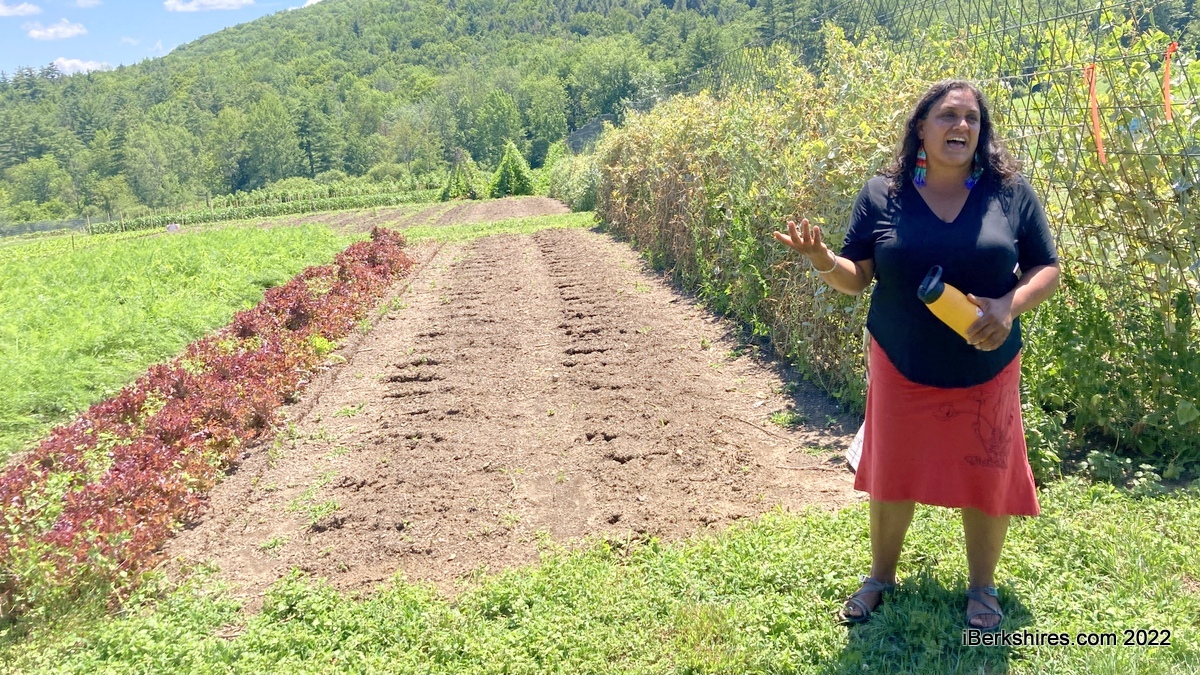
iBerkshires joined the tour of Woven Roots Farm, a vegetable, herb and flower farm situated on 10 acres of land in Tyringham. In March, it was awarded about $253,000 from the Food Security Infrastructure Grant program.
Co-founders Jen and Pete Salinetti have been farming for more than 20 years and have been on the land for about a decade.
Located on unceded Mohican land, its team of seven farmers uses sustainable practices that are derived from indigenous farming. Woven Roots also offers a seasonal Community Supported Agriculture program, educational intensives and workshops, and participates in a variety of community partnerships.
"Woven Roots Farm recognizes that agriculture itself is rooted in the long-standing cultural practices within communities of Indigenous people, people of color, and immigrants," its website reads.
"We acknowledge that the U.S. was built on stolen land and that all U.S. systems are built on the stolen labor of Black, Indigenous, Latinx, Asian and other people of color."
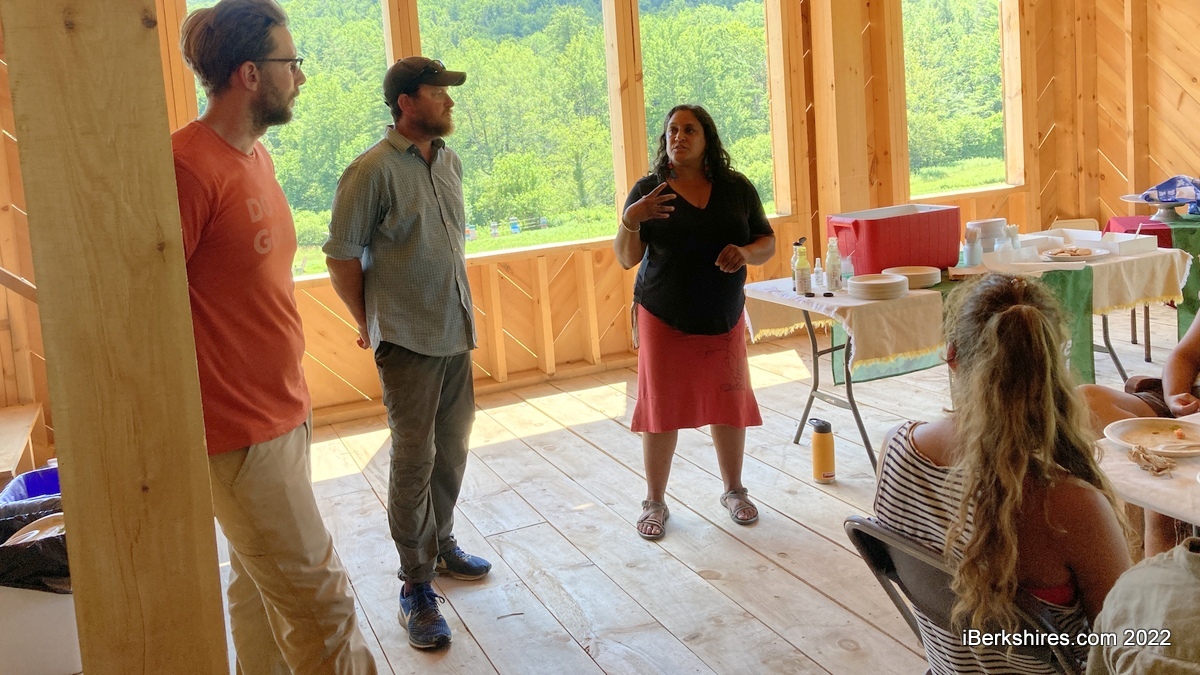
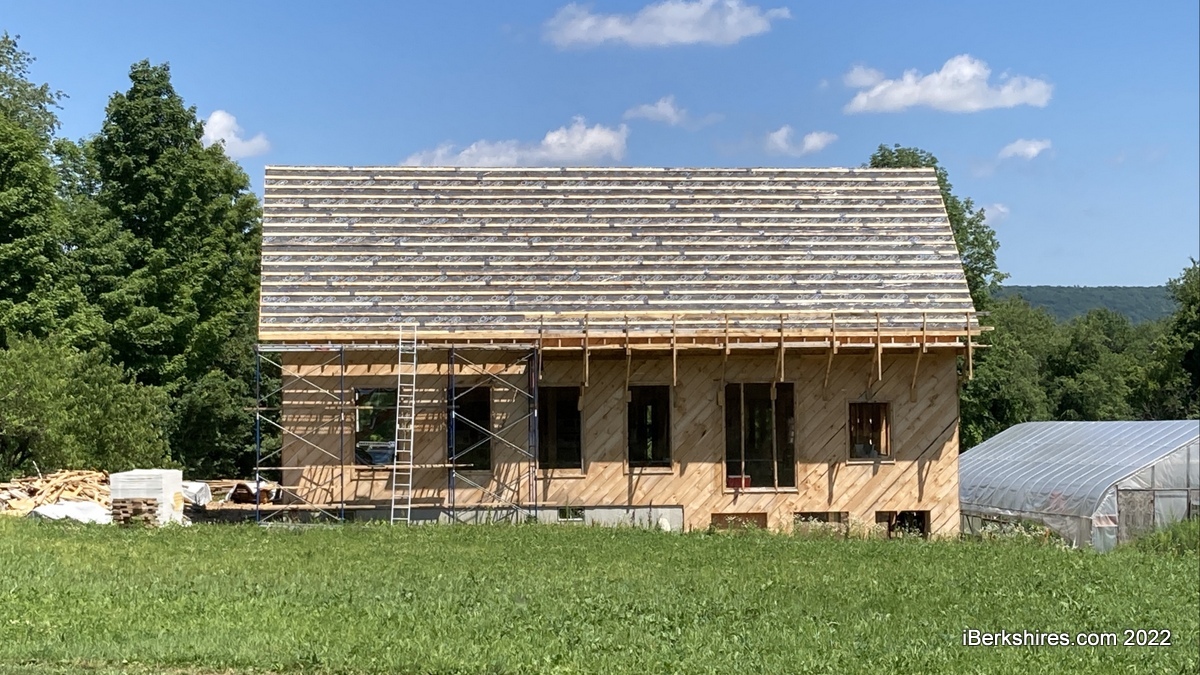
The farm is currently working on a 3,300 square-foot, mixed-use barn that will have space for educational programming, community gathering, a farm store, and expanding its CSA. It will also allow for the farmers to have an office that is not located on their kitchen table.
Jen Salinetti described it as a place where "more collaboration can happen, more community can grow, and more direct access to food can happen."
"It's a dream come true," she said about the barn after hosting lunch in its community room.
The farm received a $50,000 grant from MDAR's Farm Viability Enhancement Program to help support laying the barn's foundation. It also received $18,000 from the department's Climate Smart Agricultural Program for a comprehensive cooler system.
The $253,000 from the Food Security Infrastructure Grant program was awarded for certain aspects of the barn.
Woven Roots contributes to solidarity share programs that provide CSA shares to vulnerable community members through the Vegetable Prescription Program at Community Health Programs and Seeding Solidarity, which is a collective initiative with Finca Luna Búho in the Northern Berkshires.
Finca Luna Búho is a land-based project that is centered on BIPOC, queer, poor, immigrant, and disabled voices.
The two farms are launching a collaborative fundraiser titled "Rooted & Rising" that aims to raise $1.7 million by the end of 2023 to fund various initiatives, one being the Woven Roots barn. They have so far raised about $1 million.
The first leg of the tour Holiday Brook Farm was on 1,300 acres has that has been run by four generations of the well-known Crane family. The farm uses sustainable, natural practices for its crops, livestock, and fields and supplies produce to two food pantries in its area.
Robinson Farm, the second stop on the tour, is on more than 160 acres and has been in owner David Robsinson's family since the early 1900s. Robinson, one of the county's few Black farm owners and a former rodeo rider, breeds a cross between buffalo (bison) and beef cattle, known as a beefalo, for meat production.
Tags: agriculture, state officials,