2022 One Book, One Community Read Tackles Intimate Abuse
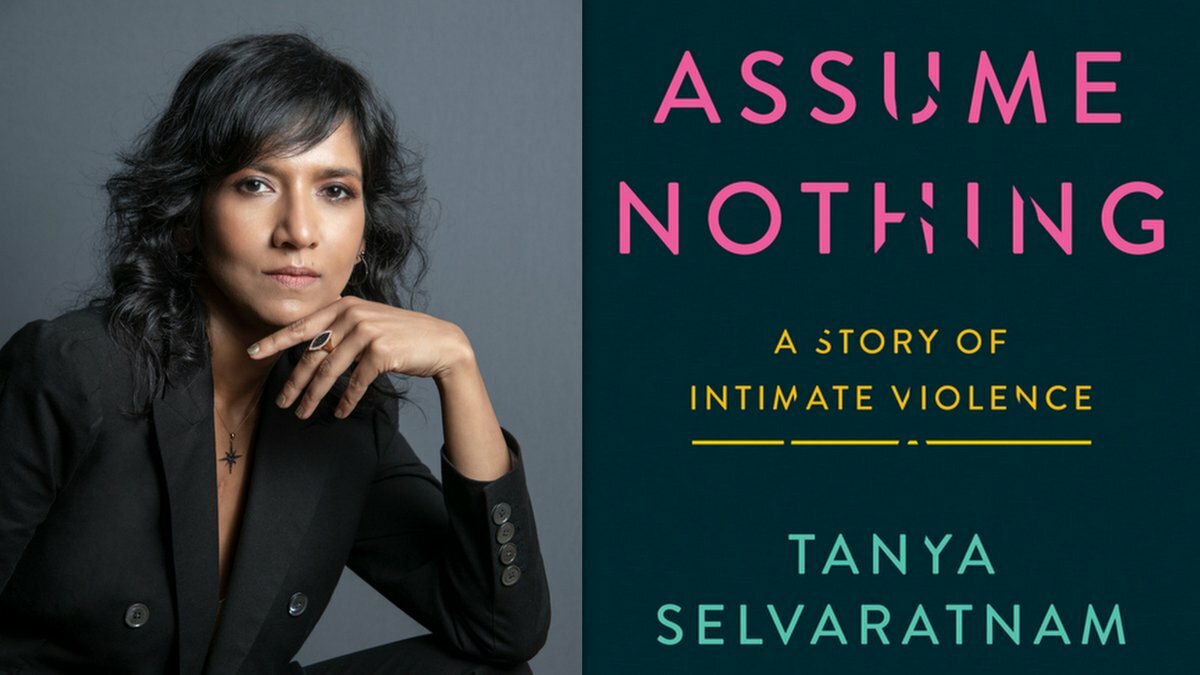
PITTSFIELD, Mass. — The third annual One Book, One Community read features Tanya Selvaratnam's recount of intimate abuse from former New York State Attorney General Eric Schneiderman.
In October, about two dozen virtual groups began reading "Assume Nothing: A Story of Intimate Violence" by Tanya Selvaratnam, and in April, the event will conclude with a webinar with the author.
The read is organized by the Berkshire Domestic and Sexual Violence Task Force and kicked off during Domestic Violence Awareness Month.
Selvaratnam's story shows that abuse can happen to any person regardless of their job, income, or societal standing.
"It's a memoir and it's very interesting for a variety of reasons," Berkshire One Book co-Chair Susan Birns said.
"Both she and her perpetrator break a lot of the stereotypes people have of both abuse victims and abuse perpetrators. On the other hand, Tanya has several different identities of groups of people who are at high risk for domestic violence."
At the time of Selvaratnam's reported abuse, Schneiderman was the principal legal officer of New York and was thought to be politically progressive, especially around women's issues.
Selvaratnam was a part of the risk population because she witnessed domestic violence in her home as a child and is an immigrant.
On the other hand, she and Schneiderman are both Harvard-educated and had high-profile jobs.
"Nobody is exempt," Birns said.
In May 2018, the New Yorker published an article detailing Selvaratnam's abuse by the former attorney general and accounts of abuse from three other women.
Allegations included hitting, slapping, choking, demeaning the women while in bed, and threatening to kill them if they broke up with him.
In a statement, Schneiderman said he had engaged in role-playing and other consensual sexual activity but did not assault anyone or engage in nonconsensual sex.
Three hours after the publication, Schneiderman resigned from his position. He did not face criminal charges due to the statute of limitations and deficiencies in the state law.
Birns added that the book touches on a number of common characteristics of abusers, such as having a "Jekyll and Hyde" personality in which they put one face on for the world and another in the context of intimate relationships.
This leads to a number of survivors not being believed.
The book is around 200 pages with around 40 pages of resources.
Last April, during Sexual Assault Awareness Month, the One Book, One Community event included public art exhibitions from activist-artist Tatyana Fazlalizadeh to accompany countywide group readings of her book "Stop Telling Women to Smile: Stories of Street Harassment and How We're Taking Back Our Power."
Around 20 groups read the book and 250 people attended the webinar with Fazlalizadeh.
In addition to educating various groups and individuals, $570 was donated to Elizabeth Freeman Center through the registration page for the webinar hosted by The Mount.
The task force was launched by outgoing District Attorney Andrea Harrington in 2019. The first community read was "No Visible Bruises: What We Don't Know About Domestic Violence Can Kill Us" by Rachel Louise Snyder and the event brought nearly 500 people to the Colonial Theatre to hear her speak.
Tags: domestic violence,