Pittsfield, Williamstown Developments to Receive Housing Tax Credits
PITTSFIELD, Mass. — The White Terrace rehabilitation project in Pittsfield and the RiverLofts at Cable Mills in Williamstown will both recive federal and state low-income housing tax credits and subsidy funds.
The Baker-Polito Administration announced $93.4 million in direct funding and $33 million in state and federal housing tax credits to support the development of 790 housing units across 14 projects.
"Our Administration has made it a priority to create adequate housing to support our economy and families since day one," said Governor Charlie Baker. "We have been proud to make record investments to build and preserve tens of thousands of housing units as well as champion zoning reforms in partnership with local leaders to better position cities and towns to advance housing in their communities."
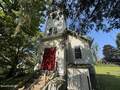
In Berkshire County, the White Terrace project will receive support with federal and state low-income housing tax credits and subsidy funds.
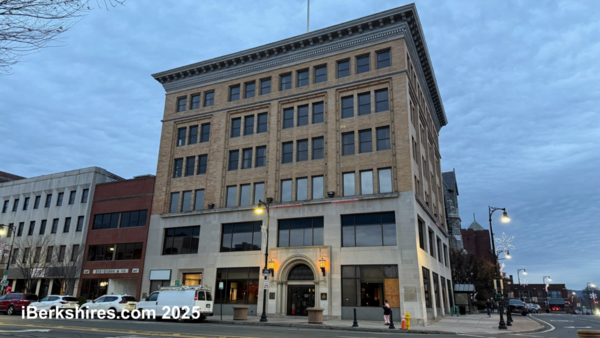
The project is a historic rehabilitation project. Three properties, which are significantly deteriorated, will be fully rehabilitated as housing by Regan Development Corporation.
Pittsfield will support the project with local funding. When completed, White Terrace will offer 41 fully rehabilitated units. All 41 units will be affordable to households earning less than 60 percent of Area Median Income (AMI), with 16 units further restricted for households earning less than 30 percent of AMI and, in some cases, transitioning from homelessness.
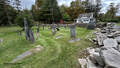
In Williamstown, RiverLofts at Cable Mills (Williamstown) will also receive federal and state low-income housing tax credits and subsidy funds. The new construction project is sponsored by Mitchell Properties, LLC.
The Town of Williamstown will support the project with local funding.
When completed, RiverLofts will offer 54 total units. Twenty-seven units will be affordable to households earning less than 60 percent of AMI, with eight units further restricted for households earning less than 30 percent of AMI, and, in some cases, transitioning from homelessness.
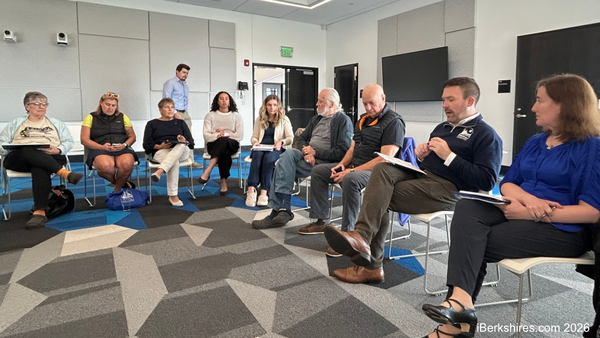
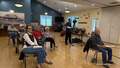
The funds were announced at an event in Haverhill that featured a roundtable discussion about efforts during the Baker-Polito Administration to increase housing production in Massachusetts and opportunities ahead. Participants in the roundtable included Governor Charlie Baker, Lt. Governor Karyn Polito, Housing and Economic Development Secretary Mike Kennealy, and Department of Housing and Community Development (DHCD) Undersecretary Jennifer Maddox, as well as state legislators and representatives from quasi-public agencies, housing advocacy organizations, and housing developers.
Since 2015, through state and federal housing tax credits, the Baker-Polito Administration has invested more than $1.5 billion in the affordable housing ecosystem, resulting in the production and preservation of more than 24,000 housing units, including approximately 21,000 affordable units.
The Department of Housing and Community Development provides a combination of direct subsidies, state and federal tax credits, and other resources to support the creation and preservation of affordable housing through multiple funding rounds each year. Today's awards include $29.4 million in federal American Rescue Plan Act (ARPA) funds, and include housing for seniors, families, and individuals. In 2015, DHCD supported one funding round each year. With additional resources, the administration increased frequency to support multiple funding rounds per year to expand the pipeline and fund projects more quickly.
Tags: affordable housing,