Lower Tech Onota Lake Boat Wash Proposal Seeks CPA Funds
PITTSFIELD, Mass. — Plans for an Onota Lake boat wash station were made lower-tech after the original proposal became too expensive. This iteration cuts costs while warding off zebra mussels.
The new design includes on-site water storage — rather than sewage and plumbing — and is priced at around $75,000.
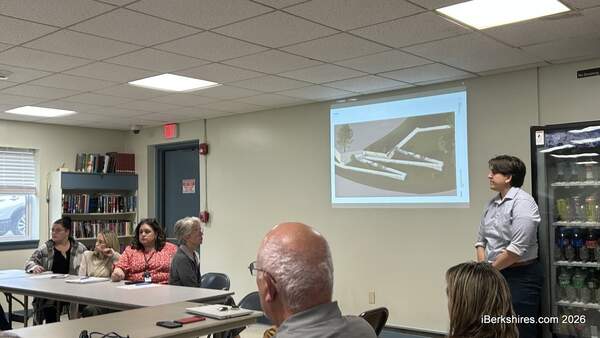
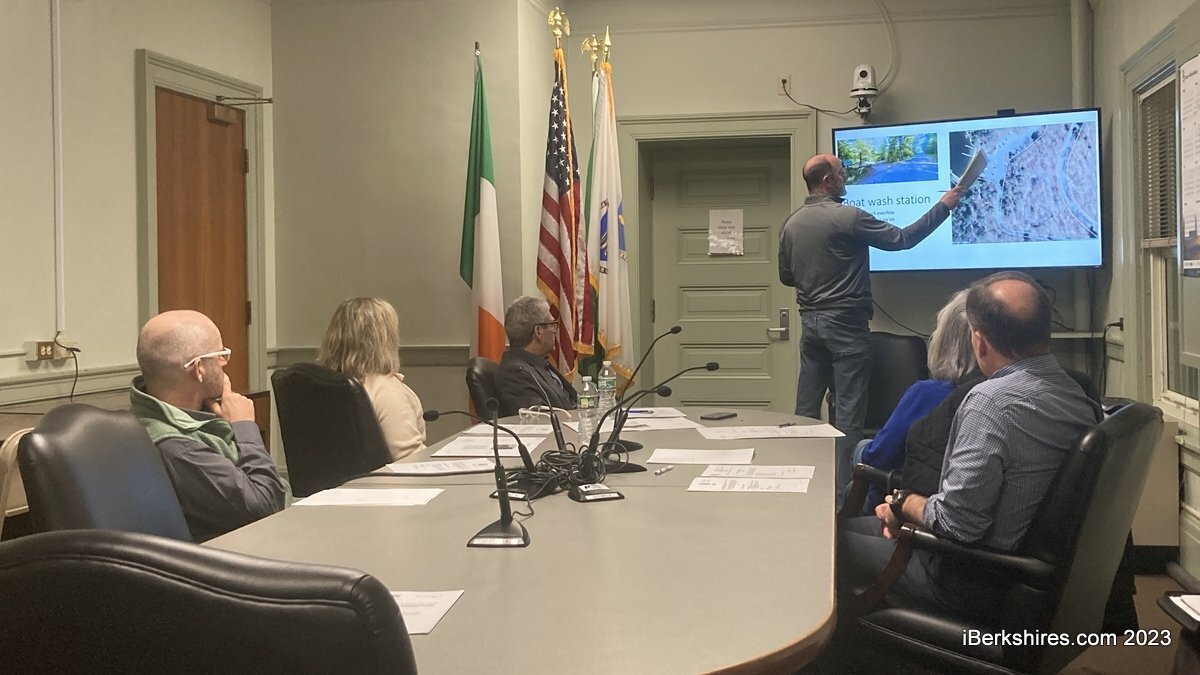
Park, Open Space, and Natural Resource Program Manager James McGrath explained the revision to the Parks Commission on Tuesday while presenting Pittsfield's fiscal 2023 Community Preservation Act applications.
In collaboration with the Lake Onota Preservation Association, the city is requesting $74,500 in CPA funds for a decontamination boat wash station to protect the lake from zebra mussels. The aquatic invasive species was found in Laurel Lake in 2009 and has been established in bordering states.
Once a body of water is infested, there is no current remedy to remove them. High-pressure hot water treatments at a temperature of 140 degrees Fahrenheit or higher are used on boats to prevent contamination.
Originally, the design included a low-impact structure on the northeastern end of the turnaround off Lakeway Drive with the ability to connect to municipal water and sewer.
This was estimated to cost around $250,000.
Because only 10 to 20 boats are turned away by ramp monitors and need decontamination services per year, the planners made cost-saving adjustments that simplify the design while keeping it effective.
"It's a different kind of system, it's not permanently plumbed and sewer," McGrath explained.
"This is one where we bring water in and we fill a water tank because the reality is we're not going to have a lot of boats at this boat wash station."
The new design includes a 500-gallon, above-ground water storage tank and a 1,000-gallon underground waste tank that will be emptied periodically.
Users will pull onto a concrete pad with draining grates to use the diesel-powered hot water system.
The hope is to have the state share some of the operating costs.
McGrath said the infrastructure has a local benefit and a further reaching benefit, as it mitigates the spread of invasive species.
"We've been talking to the state for a number of years about what we're doing to keep Onota Lake free of zebra mussels and this is one more tool in our toolbox," he said.
"So I certainly hope that there's support from the state."
If funding is secured, boaters could see the station implemented as early as the 2024 season.
McGrath said the city's zebra mussel monitoring is largely based on trust, as keeping the lake free of them is in sportsmen and lakeside property owners' best interest.
"It makes sense for us to be looking at this as a preventative option," he said.
The city's other CPA applications for parks include:
- $8,000 for tree plantings in Park Square
- $45,000 to support the replacement of two playground structures and swing frames at Egremont Elementary School.
- $24,000 for the restoration of two historic stone piers at the southwest pedestrian entrance at Springside Park near the intersection of North Street and Weller Avenue.
Tags: CPA, parks commission,