Celebration Focuses on Importance of Water as Critical Resource
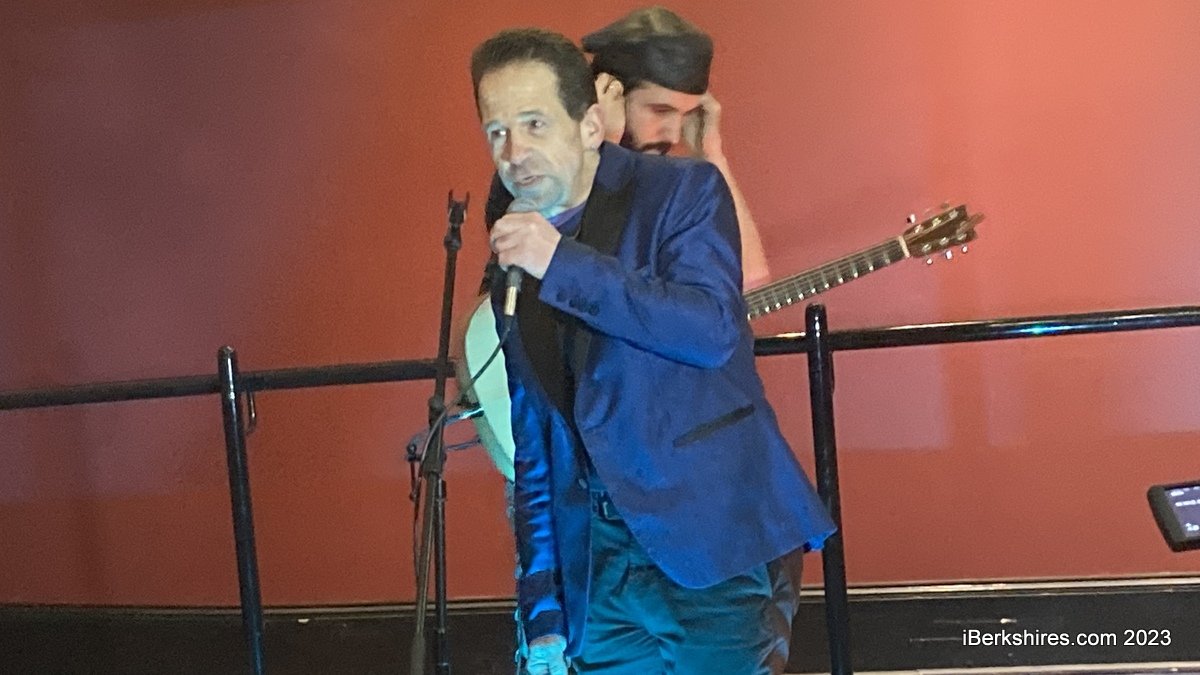
Organizer Leslie Gabriel says the fight for clean water means building a cultural connection with the critical resource.
"I think what's missing in the fight for water is connecting people to the culture of water and the consciousness of water, which includes music and art and spirituality and economics and science and the environment, not just the environment, not just politics, not just science, it's all of that," organizer Leslie Gabriel said.
"I think if we start to message water in a way that people can relate from their point of view, not just the environmental point of view, not just the legal point of view, not just a cultural point of view, but all of that together we can find our connection and naturally move forward in a way that people are connected."
Gabriel is a longtime local water activist with a podcast titled "And So It Flows." He is an organizer at the Water Celebration Foundation, which aims to generate a new way of consciousness, allow people to become inspired by water, and to take action to create a world that affirms its value and the value of life.
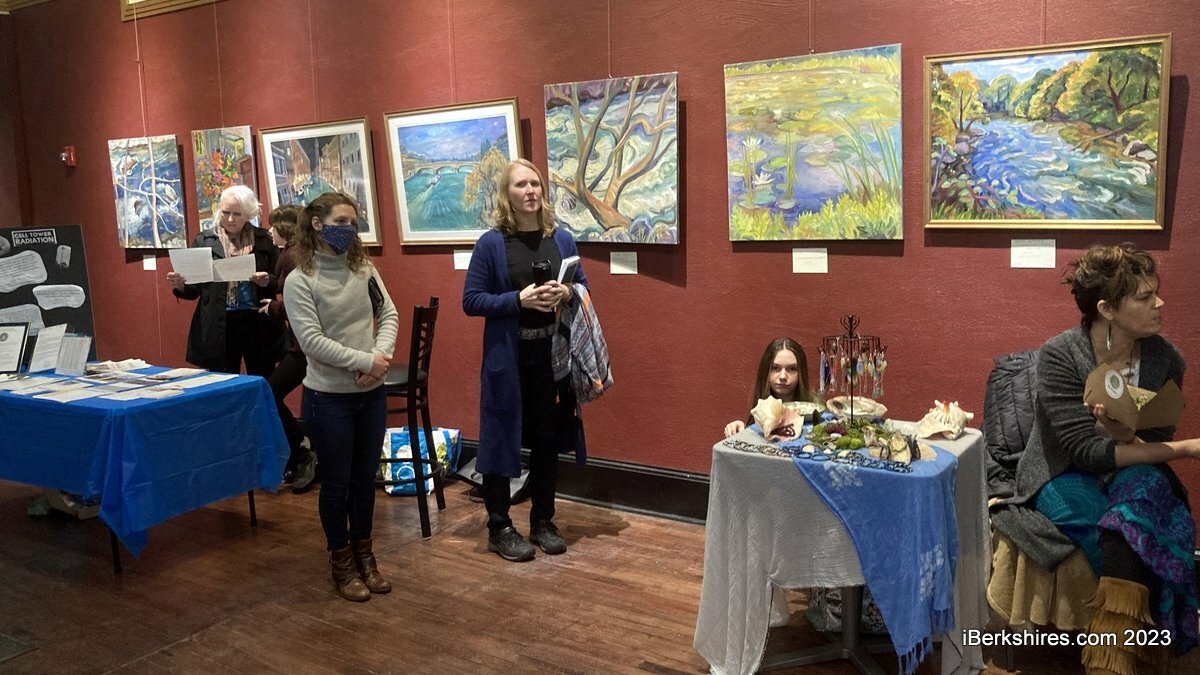
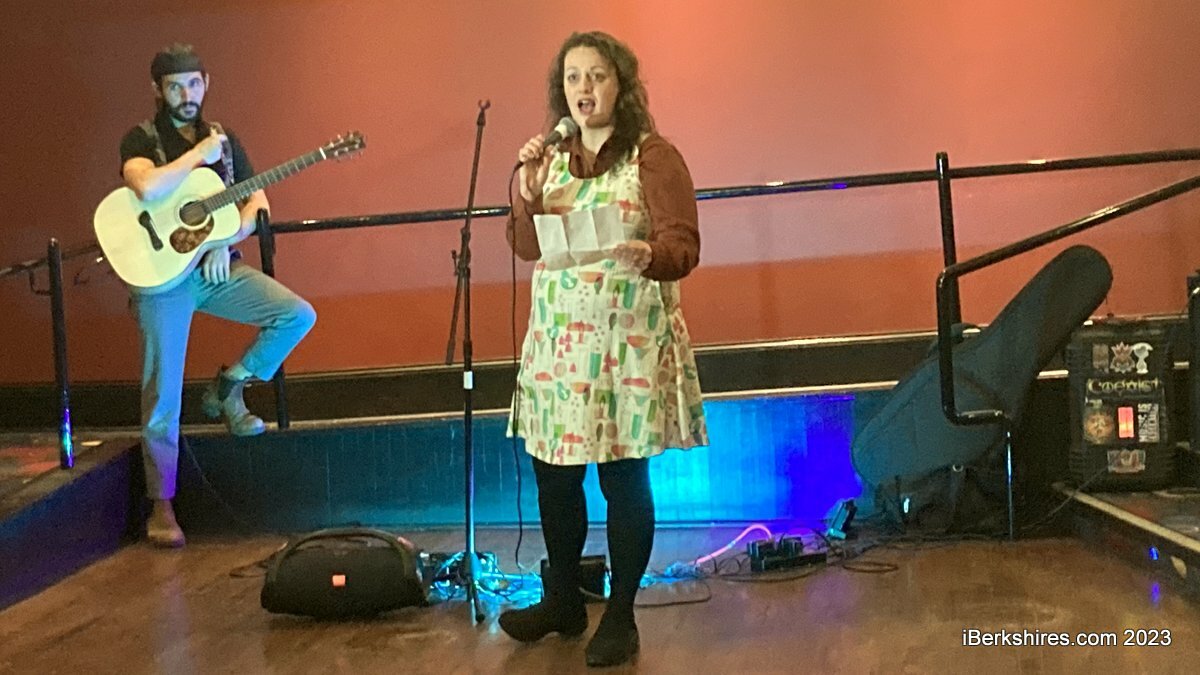
The evening began with performances, speeches, vendors, food, and an art show. It ended with a screening of James Cameron's "Avatar 2: The Way of Water."
In the sequel film, the fictional Na'vi people of Pandora defend their homeland against humans looking to deplete its resources.
Berkshire County has a number of its own water conflicts between the decades of efforts to clear the Housatonic River of polychlorinated biphenyls (PCBs) and the Housatonic's long-standing issue with unclean water.
Taconic High chemistry teacher Jennifer Zuker spoke on bioremediation, a method of using naturally occurring and deliberately introduced microorganisms or other forms of life to consume and break down environmental pollutants and clean a polluted site.
She said the Housatonic River Initiative has advocated for remediation instead of dumping pollutants for more than 30 years.
"So why aren't we trying to do those things?" Zuker asked
"Yes, the [Environmental Protection Agency], the [state Department of Environmental Protection] has said newer methods won't work here. It's true that these methods haven't been used for an area as large as ours — yet."
She described it as a David and Goliath story with two giants: government agencies that have been reluctant to use science and GE.
"Today, GE has a net worth of $87 billion," she said. "That's more than enough to pay whatever it takes."
Zuker urged attendees to have their voices heard and to unite to "make a bigger splash" on the issue.
Alliance for a Viable Future's mission is to develop leadership for bioregional climate solutions and intercultural peacemaking.
"We have a convergent crisis in our world right now. It's all interconnected, the way our economy is set up, the way that we relate to nature and the environment, the way we treat human beings," said Lev Natan, executive director of the Southern Berkshire-based organization.
"It's all one interconnected thing based on our cultural values and we also have relationships with Indigenous people because they have a lot to teach us about how to return to cultural values of community governance that will allow us to have a viable future."
He pointed to the "seventh-generation principle," an indigenous concept that says decisions should be sustainable for seven generations. This could also be interpreted as the present generation thinking about three generations before and after, he added, and looking to elders to learn lessons while thinking about children and grandchildren.
"We don't think about that in our culture. We're actually stealing from the children, my 3-year-old son has been stolen from," Natan said. "I was stolen from by the previous generations. GE didn't think about that when they were dumping PCBs into the Housatonic River."
Amelia Gilardi, who has fought to remove the 877 South St. cell tower alongside her mother for years, connected her experience with radio frequency exposure.
"Everything is connected. Cause and effect. All beings to each other and us to the earth," she said.
Gilardi said FR emitting antennas are bombarding people who suffer health effects with involuntary exposure and that corporations mine for minerals to make electronics, harming the earth and oceans.
"We can make a difference by not buying and upgrading electronics products as often. We can make a difference by using environmentally friendly and efficient hard-wired connections," she added. "We can realize smart is not always what's smartest for our planet."
Michael Pergola, who runs the Inn at Shaker Mill Falls in Canaan, N.Y., said the hydrological cycle is changing dramatically and has much to do with climate change.
"Our building is 200 years old and has a cascading waterfall out back that was used by the Shakers to convert the corn and the rye and the wheat into flour," he said. "So the fruit of divine intervention and human hands turned into what is going to nourish us."
His organization provides education on regenerative ecology and has a nutritional justice initiative.
"So I think one of the things I often do when I sit in my stream is try to listen to what she's saying to me and one of the things that she says is we need to pay attention to future generations and to the way that we walk on the planet and to the things that we do in our lives," Pergola said.
"To support each other, to connect more deeply with our own deepest yearnings with meaning and communication and learning we get from each other and for the ability to listen to the climate yourself."
The event had been promoted as an awards ceremony but the award is being postponed and will be handed out on Earth Day.
Tags: water,