Williamstown Finance Committee Members: Town Needs to Grow Tax Base
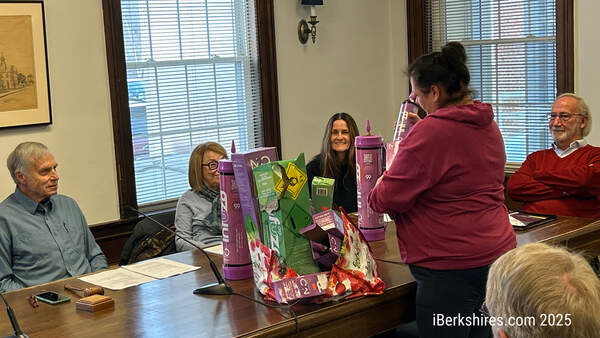
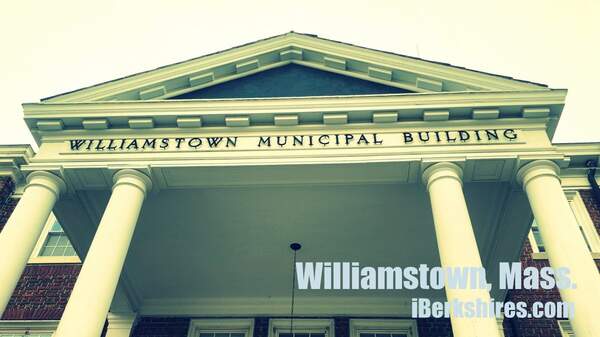
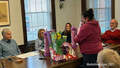
WILLIAMSTOWN, Mass. — Members of the Finance Committee this month called on the town to encourage more economic development in order to increase the tax base.
The comments came toward the end of the committee's annual review of the town's budget.
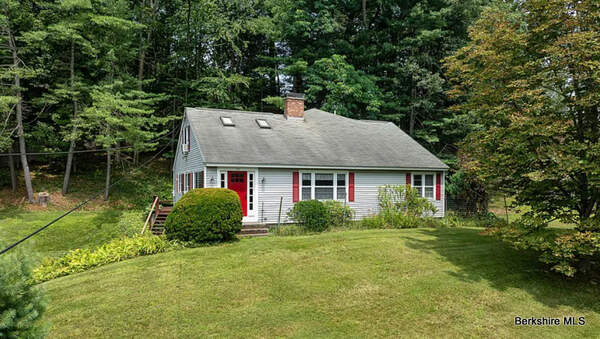
After the panel recommended the fiscal year 2024 budget for approval at the May 16 town meeting, Chair Melissa Cragg referenced a windfall the town received this year when the Cable Mills apartments on Water Street were converted to condominiums, completing a process that began when the housing development opened in 2016.
"Isn't it nice to have some significant growth in here?" Cragg asked rhetorically. "This is the impact of growth in the tax base, growth in the community. Our job this year would have been enormously more difficult had there not been that new growth.
"I was so excited about this, and I've talked to the town assessor, and his very strong advice to me and, therefore, all of us was for us to not think this would happen every year. He brought me down to earth and said, 'This is one data point, and there are a lot of data points before it where our growth was less than 2 percent a year.' "
That is at a time when the town's expenses — including municipal government and the assessment from the public schools — are closer to 3 to 3.5 percent per year.
"A 3.5 percent increase, that's $40 million," Cragg said. "And since we're mostly residential … "
"That's a lot of $1 million houses," Elaine Neeley finished the thought.
Fred Puddester argued that the town's desire to provide services is in tension with its priority of preserving the landscape.
"We want to pay our employees a decent wage, give them decent benefits and deal with additional services," Puddester said. "At the same time, we don't want any growth in this town. We want to enjoy our scenic vistas.
"So if you don't want to cut services, and you don't want to increase the assessable base, the math is pretty simple. Taxes go up."
Paula Consolini pointed out that projects like Cable Mills that create large jumps in the tax base do not happen overnight. She said the Finance Committee has a role to play in educating residents about the benefit of new development.
Another longtime member of the Fin Comm, Michael Sussman, said he believed that people would be receptive to that message. But Puddester disagreed.
"I've only been here 13 years," Puddester said. "I don't have your experience or Elaine's."
"Your 13 years is the same as my 40 years," Sussman replied. "But things can change."
Puddester remained unconvinced.
"We have a 40-acre parcel in the middle of town on the water and sewer, just like the Planning Board likes to see grow, and we can't touch that 40-acre parcel," Puddester said.
He may have been referencing the 30-acre, town-owned Lowry Property. In September 2014, the Conservation Commission settled a lengthy argument in town about developing that property by concluding the acreage and the nearby Burbank parcel are protected under Article 97 of the commonwealth's constitution.
Tags: Finance Committee, property taxes,