Con Comm Inserts Stronger Language in Lowry, Burbank Statements
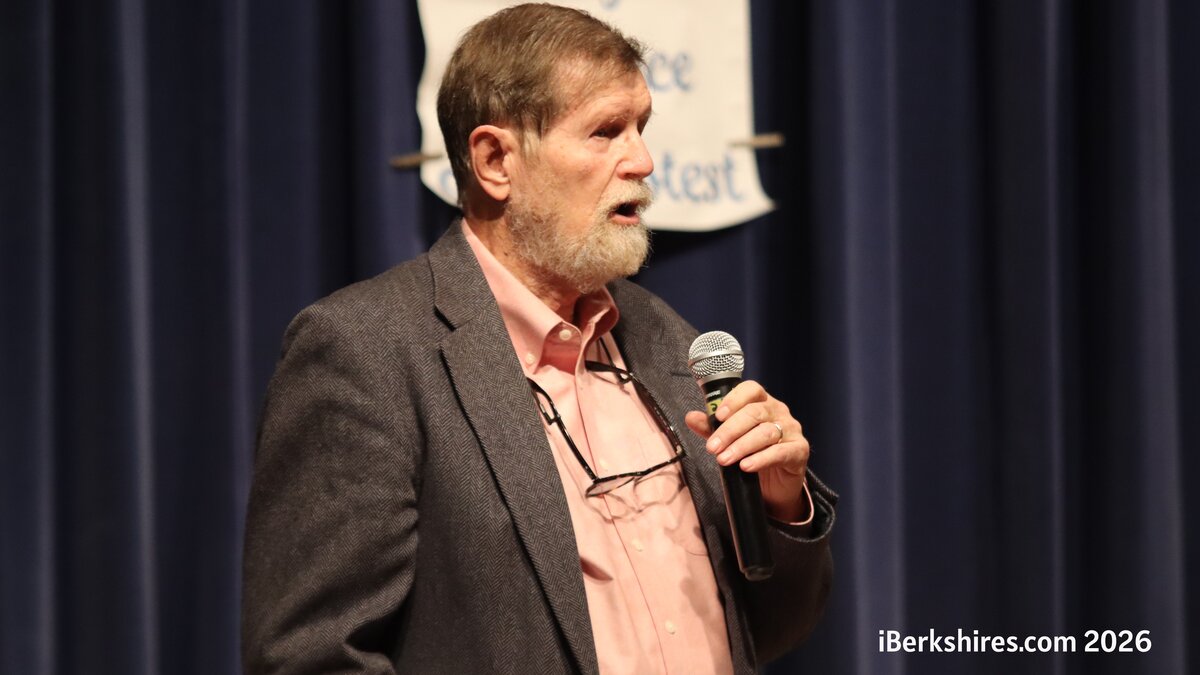
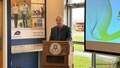
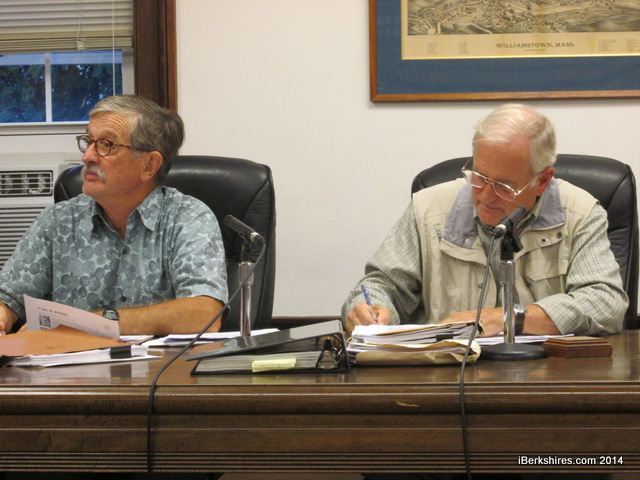
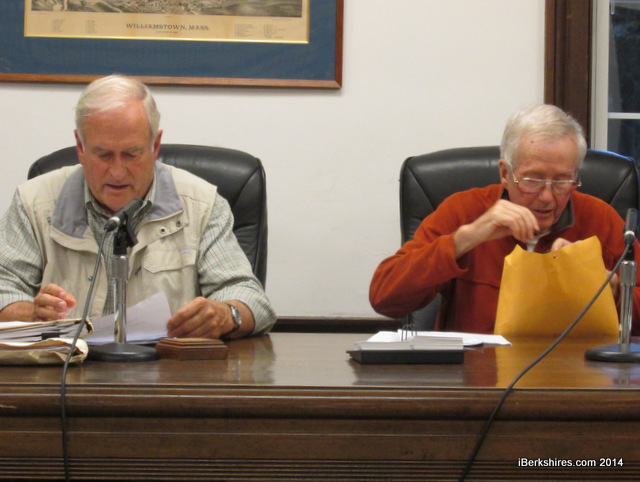 Conservation Commission Chairman Philip McNight, left, and Commissioner Robert Hatton. McKnight presented a draft statement laying out the history and intent of land under the commission's control. Conservation Commission Chairman Philip McNight, left, and Commissioner Robert Hatton. McKnight presented a draft statement laying out the history and intent of land under the commission's control. |
At the urging of Commissioner Robert Hatton, the final statements — which could be voted as soon as Sept. 25 — will include language declaring the commission's intent to keep the Lowry and Burbank properties in their current uses: agriculture and passive recreation.
The Con Comm has spent the summer developing statements which Chairman Philip McKnight hopes to enter into the land records at the Registry of Deeds and, perhaps as importantly, send a clear signal to a town divided over the question of whether to develop all or part of Lowry and Burbank for the creation of affordable housing.
Currently there is no request before the Con Comm to release any of the land under its control. But the initiative to create a statement about the lands' status stems from last year's effort to consider using some of Lowry to address the town's need for subsidized housing, especially replacement housing for homes lost in Tropical Storm Irene at the Spruces Mobile Home Park.
McKnight drafted two- to three-page statements on three of the parcels under the commission's control — including Lowry and Burbank — based on research conducted by commission members.
His drafts outlined the history of each property, how it was acquired by the town, how it was placed under the commission's control, how the the commission has managed it and what conclusions the commission draws about the parcel's legal status.
The final conclusion for both Lowry and Burbank was the same: "The Conservation Commission's care, custody and control of the [each property] since 1987 has been consistent with and in furtherance of the protections afforded the Property under Article 97 of the Constitution of the Commonwealth of Massachusetts ... "
Hatton agreed with McKnight's conclusions but appeared to find it a bit verbose and questioned whether the average resident would want to read it all.
"Are you going to have a short statement?" Hatton asked, referring to the three-page statement on Burbank.
"This is short for lawyers," McKnight replied with a smile.
Hatton and commissioners Hank Art and Sarah Gardner pushed for a short paragraph that could be inserted into McKnight's draft and pulled out as text on the Con Comm's page on the town website.
Hatton offered some language for such a paragraph: "The present Conservation Commission insists on declaring to the Williamstown citizens its intent to continue the current use of the Lowry property," Hatton read aloud at Thursdays' meeting.
Art said the spirit of Hatton's text is "embedded" in McKnight's conclusion paragraph regarding the lands' Article 97 status, but he agreed that a shorter, more direct statement of the commission's intent would be helpful.
Whether Lowry or Burbank are protected under Article 97 of the Massachusetts Constitution was a critical issue in last year's controversy. The Town Counsel from the firm of Kopelman and Paige gave the town a legal opinion that Article 97 does not apply to the Lowry property. A lawyer from the Pittsfield firm Cain Hibbard & Myers wrote an opinion on behalf of abutters to the Lowry property that said Article 97 does apply.
As McKnight has mentioned on numerous occasions, the issue ultimately would have be settled by an appelate court — if any proposal to develop the land gets that far. But the Con Comm hopes having its statement on the record will be offer a guide to anyone who might suggest development in the future.
In other action on Thursday, the Conservation Commission OK'd: a request from the Trustees of Reservations to install a beaver solutions fence that will allow the beavers to live but control the water flow in a pond on Sloan Road; a plan to install ground-mounted solar photo-voltaic modules near Williams College's library storage facility on Simonds Road; and a plan to build a single-family residence at 121 Gale Road.
Tags: conservation commission, conserved land, lowry property,