Crane Paper Museum Seeking New Location
DALTON, Mass. — The Crane Museum is looking for a new home to house its extensive collection gathered over the last hundred years.
When Crane NXT separated from Crane Holdings, it upgraded all of its security operations, Crane Currency Global Marketing Director Tod Niedeck said.
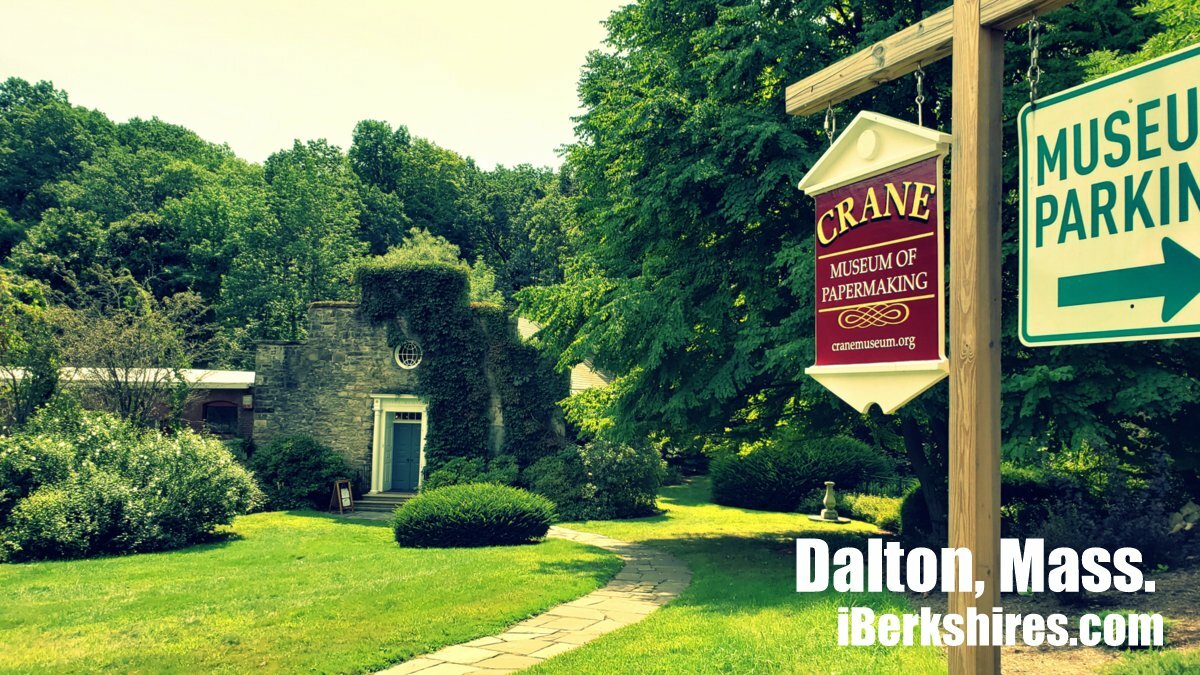
The museum is located at 32 Pioneer St. in an ivy-covered stone structure dating from 1844 and listed on the National Register of Historic Places. It was the rag room for the first Crane mills.
But as Crane grew, so did its campus and getting to the small museum of papermaking meant driving through the industrial operations.
The need to keep the materials secure means the adjusted the security parameters no longer allowed for visitors on the property.
The company is trying to separate the industrial operation from the welcoming and inviting atmosphere that the museum wants to create, Niedeck said.
The museum's first full-time director, Jenna Ware, has been in search of a new home for the collection.
The Stone Mill houses office space, Crane and papermaking exhibits as well as the museum's archives, which are accessible by appointment for research.
When the Connecticut-based firm Crane Co. purchased the 200-year-old banknotes operation for $800 million in 2017, it called museum a gem and expressed wanting to expand its outreach. Ware was hired in 2019.
Even with the separation from Crane Holdings, the company's effort to care for its collection and contribute to the community continues, Ware said.
"In a perfect world, no one would ever have to leave their original space, but I've been through it and I know it can happen really successfully," Ware said.
Other organizations and museums have successfully changed locations without losing its legacy, she said.
While in search for a new location, the museum is continuing its community programming developed as a result of the pandemic.
The museum had to close and reopen on a number of occasions but continued to share Crane history by going to retirement homes, schools, and other organizations.
Zenas Crane moved from the Boston area back in 1801 and opened Crane & Co., which concentrated on fine papermaking and currency.
Crane has been a major part of the Berkshire County community for hundreds of years and has held the exclusive contract to supply paper for U.S. banknotes since 1879.
The Cranes became an influential family not only being owners of one of the leading suppliers of U.S. currency but also helped initiate museums like Berkshire Museum. W. Murray Crane, a grandson of Zenas, was governor and U.S. senator.
The original mill attached to the rag room was demolished in the early 1900s and the stone mill became a corporate museum in 1930, being part of the first wave of American corporate museums that opened in that time period, Ware said.
Although the museum has to change locations, the brick and mortar building is not the heart of the legacy; rather it is the tour guides who share stories about their experiences working at the mill, she said.
"I mean, if somebody has an empty mill building, and they want to give me a room, I'm there but honestly, the No. 1 priority for me is to keep these amazing tour guides," Ware said.
"That direct story from somebody who worked in the mills for 40 years and knows how to make paper, and did training for the Secret Service on how paper is made, to me is absolutely essential. That's the heart of what we do. And that's what connects to our audience. And that, for me, that really needs to stay and is staying."
There is still the potential that the museum will be able to end up in a space that was originally Crane because there are a lot of spaces in the area that used to be Crane buildings.
"I'm very much interested in paid spaces that connect to the company, or connect to papermaking," Ware said.
With any luck the museum will remain in Dalton but Ware does not want to limit any ideas so if somebody has a location that they feel aligns with the museum's legacy they are encouraged to reach out to her.
"There are a lot of great mill spaces that were papermaking mills, woolen mills, all sorts of spaces like that are all over Massachusetts, but all over this area, which is where I'd be looking," Ware said.
It is unclear how long it will take to find a new space for the museum but Ware has been meeting with people to see what opportunities there are.
"We want to be a space where we're working well with people around us, and where we're well suited to the space. So I think as it's a corporate museum, we have the luxury of trying to find a space that's really wonderful and excellent for the museum," Ware said.
"And then in the meantime, going out into the community, doing events, going to schools, going into retirement homes, going to public events to get back to the communities. So I think it could be very quick, but I also appreciate that the company is taking the time to do it."
Tags: Crane, museum,